Pentyl nitrite → Amyl Acetate
Reaction equation

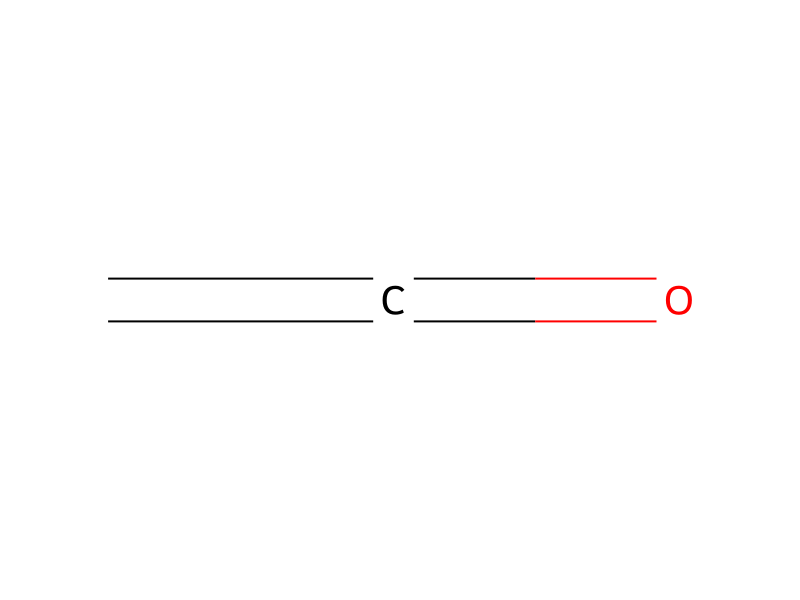
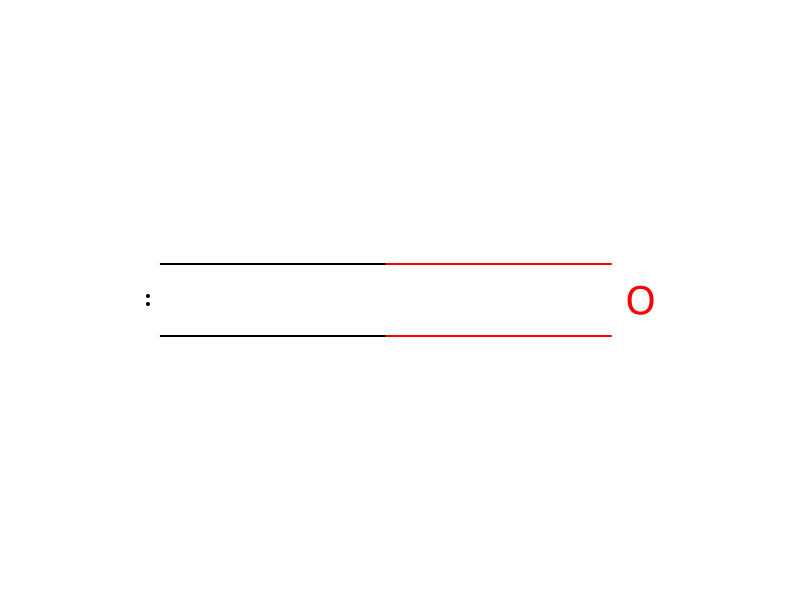
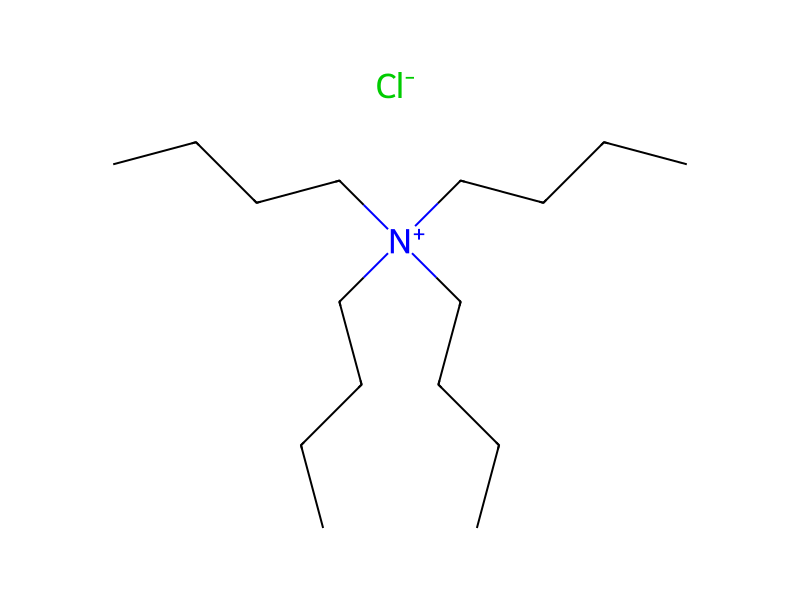
[CH3:1][CH2:2][CH2:3][CH2:4][CH2:5][O:6]N=O.[CH2:9]=[C:10]=[O:11].[C]=O.C1(P(C2C=CC=CC=2)C2C=CC=CC=2)C=CC=CC=1>[Cl-].C([N+](CCCC)(CCCC)CCCC)CCC.CN1CCCC1=O.CCCCCCC>[CH3:1][CH2:2][CH2:3][CH2:4][CH2:5][O:6][C:10]([CH3:9])=[O:11]Participants





Procedure
To the same reaction vessel as in Example 9 were charged bistriphenylphosphinedibromopalladium (0.198 g, 0.25 mmole), stannous chloride (0.095 g, 0.5 mmole), tetra-n-butylammonium chloride (0.139 g, 0.5 mmole) and n-amyl nitrite (55 ml, 368.9 mmoles), together with n-heptane (175 ml) and N-methylpyrrolidone (25 ml). Then, ketene, carbon monooxide and nitrogen were introduced to the mixture at the rate of 11.4 ml/min (0.51 mmole/min), 300 ml/min and 100 ml/min, respectively, and the reaction was effected at 90° C. for 4 hours. During the reaction, 10 ml of a solution of triphenylphosphine (0.061 g, 0.25 mmole) and stannous chloride (0.0475 g, 0.25 mmole) of N-methylpyrrolidone was added to the reaction system in 2.5 ml portions every 1 hour. The gas chromatographic analysis revealed that di-n-amyl malonate (103.9 mmoles, 84.9%) and n-amyl acetate (17.1 mmoles, 14.0%) were obtained.
Workup
- additionwas added to the reaction system in 2.5 ml portions every 1 hour
Sources & evidence
- ORD record
- ord-a860056bd5184781924258318fe60926
- Source dataset
- uspto-grants-1985_09
- Patent number
- US04539423
Reaction notes
Loading…