Sodium Iodide → (+)-(5R)-5-Ethyl-5-hydroxy-2,5,6,9-tetrahydro-8-oxa-2-aza-benzocycloheptene-1,7-dione
Reaction equation

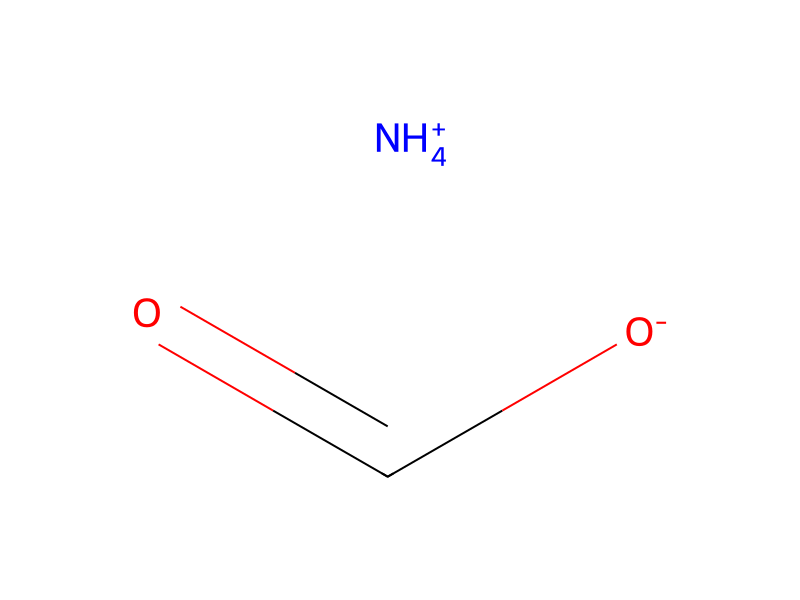
C(O[CH2:9][C:10]1[C:11]([O:24]C)=[N:12][CH:13]=[CH:14][C:15]=1[C@@:16]([OH:23])([CH2:21][CH3:22])[CH2:17][C:18]([O-:20])=[O:19])C1C=CC=CC=1.C([O-])=O.[NH4+].C1(N=C=NC2CCCCC2)CCCCC1.[I-].[Na+].C[Si](Cl)(C)C.[OH-].[NH4+]>ClCCl.Cl.CO.O1CCCC1.O.C(#N)C>[CH2:21]([C@:16]1([OH:23])[C:15]2[CH:14]=[CH:13][NH:12][C:11](=[O:24])[C:10]=2[CH2:9][O:19][C:18](=[O:20])[CH2:17]1)[CH3:22]Participants
Reactant 6





Product 1

Reagents, catalysts & solvents 6






Conditions
- Temperature
- 40 °C
Procedure
The residue obtained in Stage 1a is agitated for 16 hours at 20° C. in a mixture of dichloromethane (270 ml) and 1N hydrochloric acid (270 ml). After decanting, the organic phase is concentrated, and the residue is taken up in methanol (87 ml) to be used in the following phase. This solution is poured under nitrogen onto Palladium at 10% on damp carbon at 50% (27.7 g; 13 mmol). The reaction medium is agitated for 5 min, then poured into a solution of ammonium formate (11.5 g; 183 mmol) in methanol (135 ml). The reaction medium is agitated for 30 min whilst allowing the temperature to rise, then it is heated at 40° C. for 30 min. The medium is then filtered on a bed of Clarcel and concentrated. Toluene (40 ml) is poured in followed by evaporation, and this operation is repeated in order to eliminate the traces of methanol. The residue, taken up in tetrahydrofuran (45 ml), is treated with a solution of dicyclohexylcarbodiimide (7.18 g; 34.5 mmol) in tetrahydrofuran (20 ml). The reaction medium is heated at 50° C. for 1 hour, then taken to 20° C., and the dicyclohexylurea is filtered. The filtrate is concentrated to dryness and the residue, taken up in acetonitrile (46 ml), is treated with sodium iodide (6.0 g; 40.5 mmol) and trimethylsilyl chloride (5.13 ml; 40.5 mmol). The reaction medium is maintained under agitation at ambient temperature for 5 hours, then acetonitrile (28 ml) and water (5.6 ml) are added. The precipitate obtained is recovered by filtration, then taken up in water (10 ml), and the mixture obtained is neutralized using a solution of ammonium hydroxide. The precipitate is recovered by filtration then taken up in acetone (40 ml) to which water (150 ml) is added. The crystals formed are recovered by filtration and dried to produce 3 g of (+)-EHHOPD with an enantiomeric proportion of 99.4/0.6.
Workup
- customAfter decanting
- concentrationthe organic phase is concentrated
- additionThis solution is poured under nitrogen onto Palladium at 10% on damp carbon at 50% (27.7 g; 13 mmol)
- stirringThe reaction medium is agitated for 30 min
- filtrationThe medium is then filtered on a bed of Clarcel
- concentrationconcentrated
- additionToluene (40 ml) is poured
- customin followed by evaporation
- temperatureThe reaction medium is heated at 50° C. for 1 hour
- customtaken to 20° C.
- filtrationthe dicyclohexylurea is filtered
- concentrationThe filtrate is concentrated to dryness
- temperatureThe reaction medium is maintained under agitation at ambient temperature for 5 hours
- customThe precipitate obtained
- filtrationis recovered by filtration
- customthe mixture obtained
- filtrationThe precipitate is recovered by filtration
- additionis added
- customThe crystals formed
- filtrationare recovered by filtration
- customdried
- customto produce 3 g of (+)-EHHOPD with an enantiomeric proportion of 99.4/0.6
Sources & evidence
- ORD record
- ord-dd5c5eab426e4e41a932f327b978940e
- Source dataset
- uspto-grants-2006_03
- Patent number
- US07012079B1
Reaction notes
Loading…