Acetate → L-Lysine
Reaction equation

C[C:2](C)([NH2:11])[CH2:3][CH2:4][CH2:5][C@@H:6]([C:8]([OH:10])=[O:9])[NH2:7].C([O-])(=O)C.C(N(CC)C(C)C)C.C(N(C(C)C)CC)(C)C>C(N(CC)CC)C.C1(C)C=CC=CC=1.C(OC)(C)(C)C.C(OCC)(=O)C.C(O)(C)C.C(O)C.CO.C(#N)C>[NH2:7][C@H:6]([C:8]([OH:10])=[O:9])[CH2:5][CH2:4][CH2:3][CH2:2][NH2:11]Participants
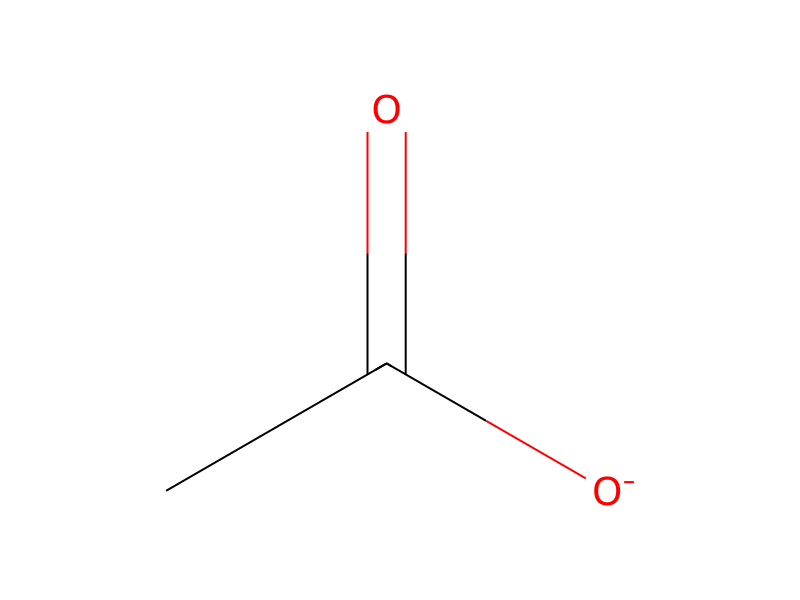
Reactant 4



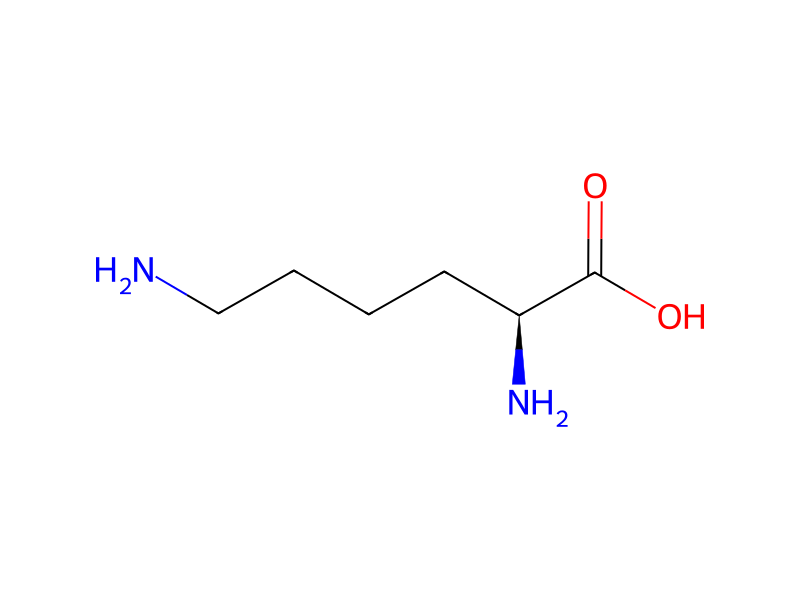
Product 1
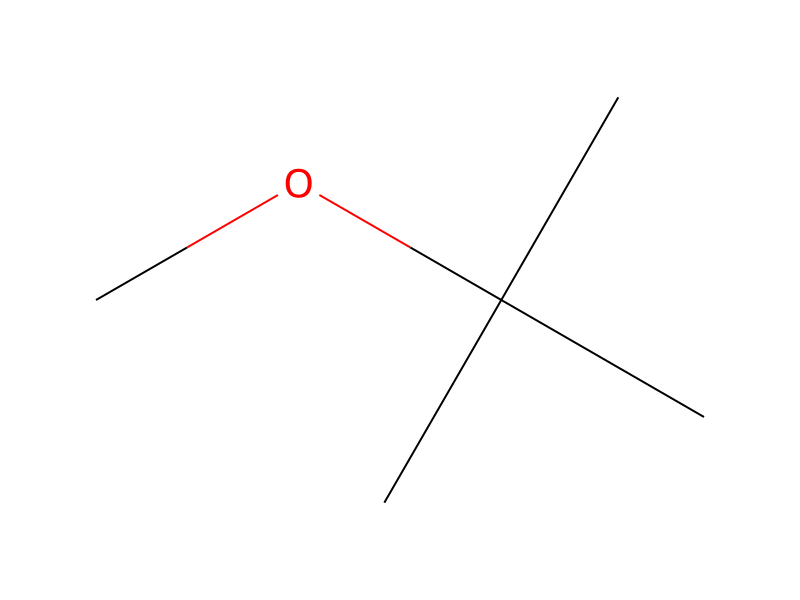
Reagents, catalysts & solvents 8







Procedure
The 6,6-dimethyl lysine derivative of the formula (3) is dissolved in a suitable solvent and reacted with acetate derivative in the presence of a base. The solvent is exemplified by acetonitrile, methanol, ethanol, isopropyl alcohol, ethyl acetate, methyl t-butyl ether, toluene and the like. As the base, tertiary amine, such as triethylamine, diethylisopropylamine, diisopropylethylamine and the like, is used in an amount of generally 2–10 equivalents, preferably 3–4 equivalents relative to the 6,6-dimethyl lysine derivative. The acetate derivative is used in an amount of generally 1–2 equivalents, preferably about 1.2 equivalents. The mixture is stirred generally at 0° C.–40° C., preferably at room temperature, for generally about 12–48 h, preferably about 18–24 h. The reaction mixture is concentrated (or evaporated) by concentration under reduced pressure and the like, and extracted with an organic solvent such as ethyl acetate, toluene, dichloromethane and the like or a mixed solvent such as toluene-isopropyl alcohol and the like. Then, the organic solvent layer is evaporated under reduced pressure to give the optically active lysine derivative of the formula (5).
Workup
- concentrationThe reaction mixture is concentrated
- custom(or evaporated)
- concentrationby concentration under reduced pressure
- extractionthe like, and extracted with an organic solvent such as ethyl acetate, toluene, dichloromethane
- customThen, the organic solvent layer is evaporated under reduced pressure
Sources & evidence
- ORD record
- ord-098da7be9d914ccd8fc6bb6a08b1f93e
- Source dataset
- uspto-grants-2006_03
- Patent number
- US07012152B2
Reaction notes
Loading…