Propargyl alcohol → [3-(4-Methoxyphenyl)-1,2-oxazol-5-yl]methanol
Reaction equation

[CH:1](=O)[C:2]1[CH:7]=[CH:6][C:5]([O:8][CH3:9])=[CH:4][CH:3]=1.C(=O)(O)[O-].[Na+].Cl.[NH2:17][OH:18].ClN1C(=O)[CH2:23][CH2:22][C:21]1=[O:26].C(O)C#C.C(N(CC)CC)C>C(O)C.ClCCl.O>[CH3:9][O:8][C:5]1[CH:6]=[CH:7][C:2]([C:1]2[CH:23]=[C:22]([CH2:21][OH:26])[O:18][N:17]=2)=[CH:3][CH:4]=1Participants
Reactant 6


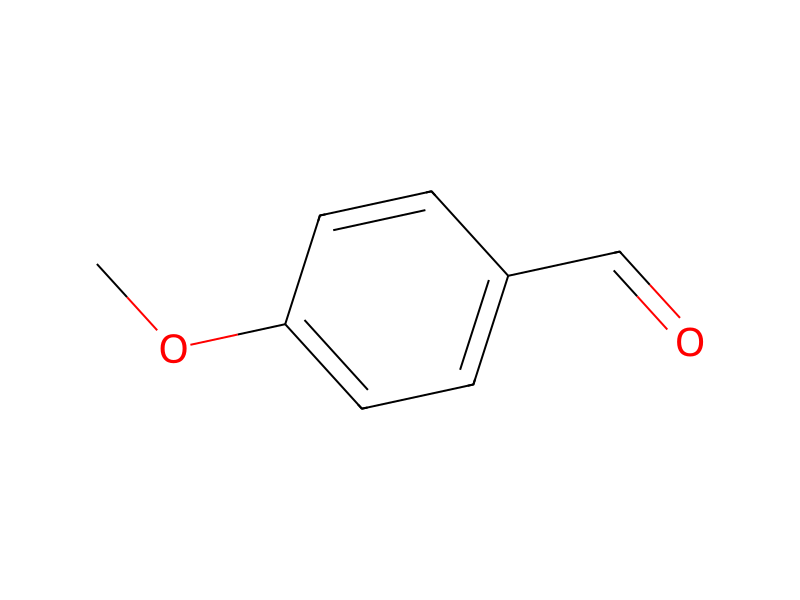



Product 1

Reagents, catalysts & solvents 3



Procedure
p-Anisaldehyde (3.0 g, 22 mol) was dissolved in ethanol (30 mL), and sodium bicarbonate (2.2 g, 26 mmol) was then added to the solution. The obtained mixture was stirred at room temperature, and an aqueous solution (15 mL) of hydroxylamine hydrochloride (1.7 g, 24 mmol) was then added to the reaction solution. The obtained mixture was stirred at room temperature for 1 hour. Thereafter, the reaction solution was concentrated under reduced pressure, and a sodium bicarbonate aqueous solution was then added to the residue, followed by extraction three times with ethyl acetate. The organic layer was washed with a saturated saline, and it was then dried over anhydrous sodium sulfate, followed by concentration under reduced pressure. The residue was dissolved in dimethylformamide (40 mL), and the mixture was then stirred under ice cooling. Subsequently, N-chlorosuccinimide (2.9 g, 22 mmol) was added to the reaction solution. The obtained mixture was stirred for 2.5 hours, while raising the temperature of the reaction mixture to room temperature. Thereafter, water was added to the reaction solution, and it was then extracted with ethyl acetate three times. The organic layer was washed with a saturated saline, and it was then dried over anhydrous sodium sulfate, followed by concentration under reduced pressure. The residue was purified with a fractionation purification apparatus (Biotage, ethyl acetate:hexane=2:98-2:3). The obtained chloro compound (2.5 g, 13.5 mmol) was dissolved in dichloromethane (30 mL), and propargyl alcohol (1.2 mL, 20.2 mmol) and triethylamine (2.3 mL, 16.2 mmol) were then added to the solution. The obtained mixture was stirred at room temperature for 2 hours. The reaction solution was concentrated under reduced pressure, and the residue was purified with a fractionation purification apparatus (Biotage, ethyl acetate:hexane=1:3-3:1), so as to obtain the title compound (1.8 g, 65%) in the form of a yellow solid.
Workup
- stirringThe obtained mixture was stirred at room temperature for 1 hour
- concentrationThereafter, the reaction solution was concentrated under reduced pressure
- additiona sodium bicarbonate aqueous solution was then added to the residue
- extractionfollowed by extraction three times with ethyl acetate
- washThe organic layer was washed with a saturated saline, and it
- dry with materialwas then dried over anhydrous sodium sulfate
- concentrationfollowed by concentration under reduced pressure
- dissolutionThe residue was dissolved in dimethylformamide (40 mL)
- stirringthe mixture was then stirred under ice cooling
- stirringThe obtained mixture was stirred for 2.5 hours
- temperaturewhile raising the temperature of the reaction mixture to room temperature
- extractionwas then extracted with ethyl acetate three times
- washThe organic layer was washed with a saturated saline, and it
- dry with materialwas then dried over anhydrous sodium sulfate
- concentrationfollowed by concentration under reduced pressure
- customThe residue was purified with a fractionation purification apparatus (Biotage, ethyl acetate:hexane=2:98-2:3)
- stirringThe obtained mixture was stirred at room temperature for 2 hours
- concentrationThe reaction solution was concentrated under reduced pressure
- customthe residue was purified with a fractionation purification apparatus (Biotage, ethyl acetate:hexane=1:3-3:1)
Sources & evidence
- ORD record
- ord-5df51fbbed9b4dfa942ac9d75af90b21
- Source dataset
- uspto-grants-2015_10
- Patent number
- US09150563B2
Reaction notes
Loading…