Methyl Acrylate → Methyl (2E)-3-(1-acetyl-1H-pyrazol-4-yl)prop-2-enoate
Reaction equation

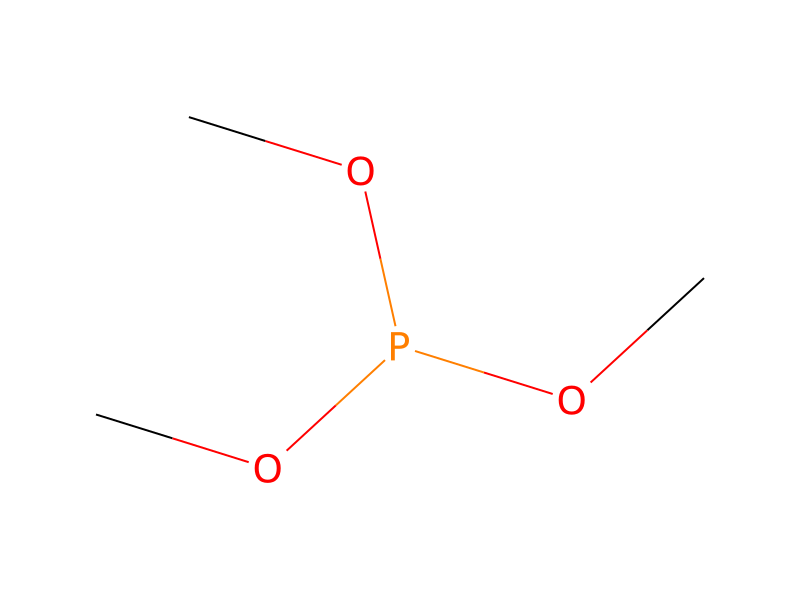
I[C:2]1[CH:3]=[N:4][N:5]([C:7](=[O:9])[CH3:8])[CH:6]=1.[C:10]([O:14][CH3:15])(=[O:13])[CH:11]=[CH2:12].C(N(CC)CC)C.P(OC)(OC)OC>C([O-])(=O)C.[Pd+2].C([O-])(=O)C.CN(C)C=O>[C:7]([N:5]1[CH:6]=[C:2](/[CH:12]=[CH:11]/[C:10]([O:14][CH3:15])=[O:13])[CH:3]=[N:4]1)(=[O:9])[CH3:8]Participants
Reactant 4



Product 1

Reagents, catalysts & solvents 2


Conditions
- Temperature
- 110 °C
Procedure
A 5-L multineck flask was fitted with a mechanical stirrer, a gas inlet adapter, and a thermometer and cooled in a salt-ice bath to between −10 and −15° C. The system was purged with dry nitrogen for a few minutes. A solution of 1-(4-iodo-1H-pyrazol-1-yl)ethanone (100 g, 0.425 mol) 1.2 L of N,N-dimethylformamide (DMF) was added followed by methyl acrylate (110 g, 1.275 mol), triethylamine (64 mL, 0.458 mol), trimethyl phosphite (5.27 g, 42.5 mmol), and palladium acetate (4.76 g, 21.25 mmol). The mixture was then warmed to 110° C. under dry nitrogen atmosphere and stirred for 1 hour. LC/MS analysis of an aliquot showed only 10% product formation. Trimethyl phosphite (5.27 g, 42.5 mmol), and palladium acetate (4.76 g, 21.25 mmol) were then added to the reaction mixture. The reaction went to completion after another 1.5 h as monitored by LC/MS. The mixture was allowed to cool to room temperature and the DMF was removed under reduced pressure. The residue was stirred with 1.5 L of methylene chloride, and the suspension was filtered through a plug of silica gel. The filtrate was collected and washed with 1 L of 3% hydrochloric acid, 1 L of water, and 1 L of saturated brine. The solution was dried over magnesium sulfate and filtered. The solvent was removed under reduced pressure and the residue was purified by silica gel column chromatography (Hexane/EtOAc 10:1 to 1:1) to give (E)-methyl 3-(1-acetyl-1H-pyrazol-4-yl)acrylate as a solid (70 g, 84%).
Workup
- customA 5-L multineck flask was fitted with a mechanical stirrer, a gas inlet adapter
- temperaturea thermometer and cooled in a salt-ice bath to between −10 and −15° C
- customThe system was purged with dry nitrogen for a few minutes
- waitThe reaction went to completion after another 1.5 h
- temperatureto cool to room temperature
- customthe DMF was removed under reduced pressure
- stirringThe residue was stirred with 1.5 L of methylene chloride
- filtrationthe suspension was filtered through a plug of silica gel
- customThe filtrate was collected
- washwashed with 1 L of 3% hydrochloric acid, 1 L of water, and 1 L of saturated brine
- dry with materialThe solution was dried over magnesium sulfate
- filtrationfiltered
- customThe solvent was removed under reduced pressure
- customthe residue was purified by silica gel column chromatography (Hexane/EtOAc 10:1 to 1:1)
Sources & evidence
- ORD record
- ord-67ea2d8525b049f0b25b5b9b4220b730
- Source dataset
- uspto-grants-2015_02
- Patent number
- US08957066B2
Reaction notes
Loading…