Oxygen → Adamantanone
Reaction equation

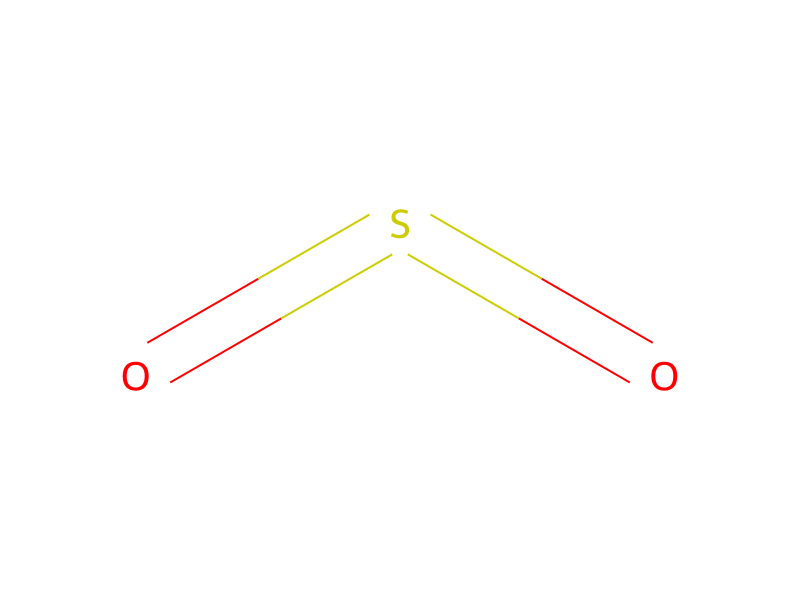
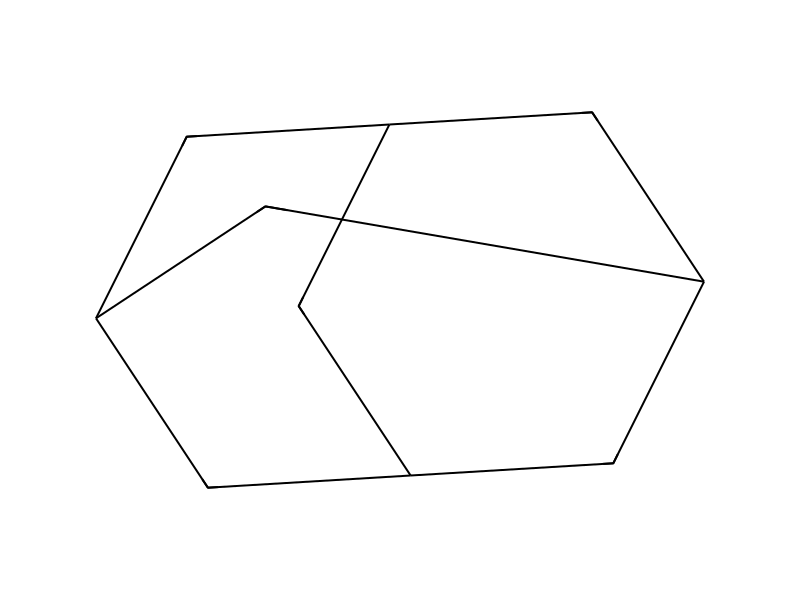
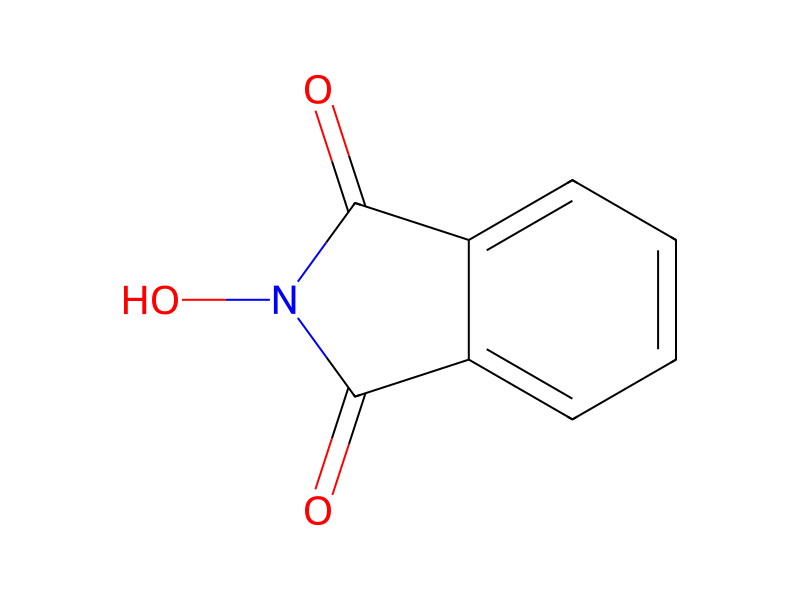
[CH:1]12[CH2:10][CH:5]3[CH2:6][CH:7]([CH2:9][CH:3]([CH2:4]3)[CH2:2]1)[CH2:8]2.[OH:11]N1C(=O)C2=CC=CC=C2C1=O.C(OO)(C)(C)C.S(=O)=O.O=O>[O-][V]([O-])([O-])=O.[Na+].[Na+].[Na+].C/C(/O)=C\C(C)=O.C/C(/O)=C\C(C)=O.O=[V].C(O)(=O)C>[CH:1]12[CH2:10][CH:5]3[CH2:6][CH:7]([CH2:9][CH:3]([CH2:4]3)[C:2]1=[O:11])[CH2:8]2Participants
Reactant 5


Product 1

Reagents, catalysts & solvents 3



Procedure
A mixture of 2 mmol of adamantane, 0.2 mmol of N-hydroxyphthalimide, 0.01 mmol of vanadyl acetylacetonato [VO(acac) 2 ], 0.02 mmol of TBHP (t-butyl hydroperoxide), and 5 ml of acetic acid was stirred at 25° C. in a sulfur dioxide (SO2) (0.5 atm) and oxygen (0.5 atm) atmosphere for 20 hours. A gas chromatographic analysis of a reaction mixture revealed that the conversion rate of adamantane was 53% and that 2-adamantanone was formed in a yield of 3%. The reaction mixture was extracted with water, was neutralized with an aqueous sodium hydroxide solution, and was adjusted to weak acidity with hydrochloric acid. An aqueous benzyl isothiourea hydrochloride solution in large excess was then added to the mixture to separate S-benzyl thiuronium salt of 1-adamantanesulfonic acid. The yield of this compound was 40%.
Sources & evidence
- ORD record
- ord-4342e3091bc0496f95c778676d4a8e0d
- Source dataset
- uspto-grants-2000_11
- Patent number
- US06143924
Reaction notes
Loading…