Benzaldehyde → HCID 22000958, compound
Reaction equation

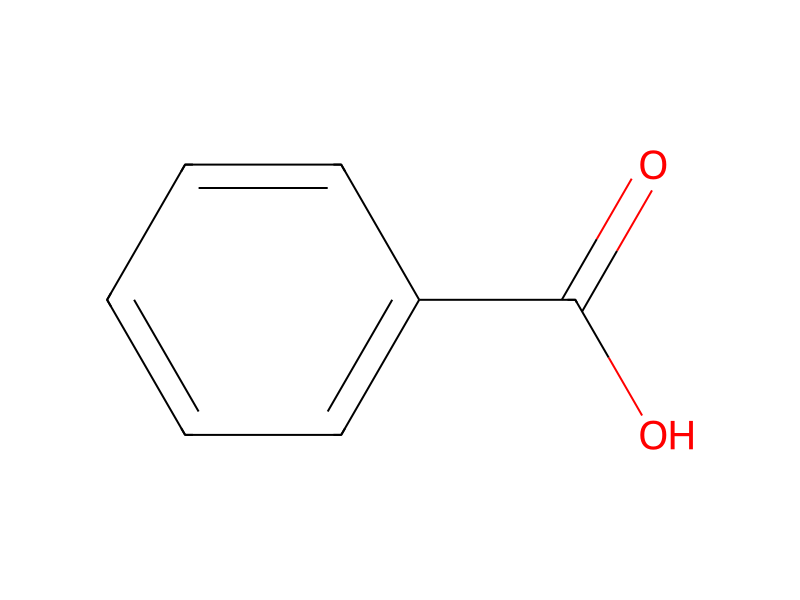
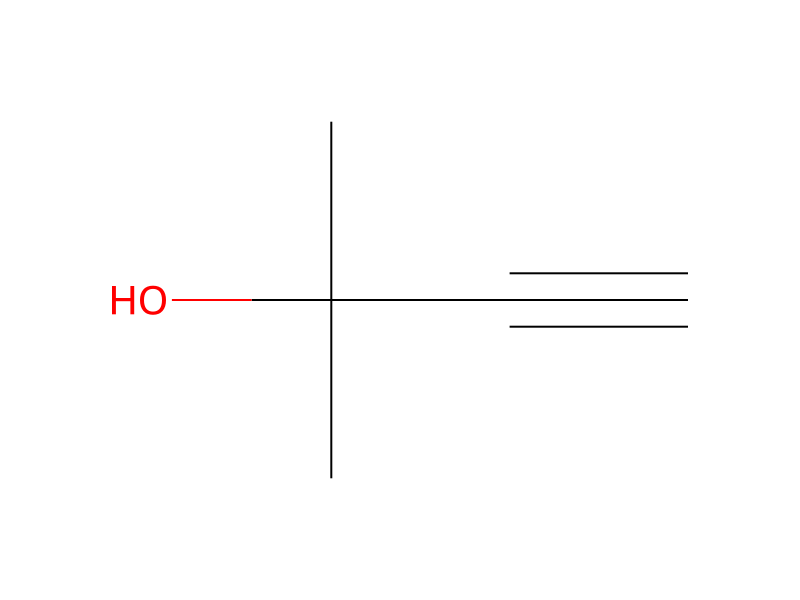
Br[C:2]1[CH:3]=[C:4]([CH:6]=[CH:7][CH:8]=1)[NH2:5].[CH3:9][C:10]([OH:14])(C#C)[CH3:11].[CH:15](=O)[C:16]1C=CC=CC=1.C(O)(=O)C1C=CC=CC=1.C1(P(C2C=CC=CC=2)C2C=CC=CC=2)C=CC=CC=1>C(N(CC)CC)C.C([O-])(=O)C.C([O-])(=O)C.[Pd+2]>[CH3:9][CH:10]([CH3:11])[OH:14].[NH2:5][C:4]1[CH:3]=[C:2]([C:15]#[CH:16])[CH:8]=[CH:7][CH:6]=1Participants
8






Procedure
A mixture of 3-bromoaniline (1.72 g, 10 mmol), 2-methyl-3-butyn-2-ol (1.1 g, 13 mmol) and benzaldehyde (0.3 g, , 2.8 mmol, containing some benzoic acid) in triethylamine (5 g) was treated with palladium diacetate (11 mg) and triphenylphosphine (197 mg). This mixture was deaerated by bubbling nitrogen and then heated to reflux. CuI (10 mg) was added and the mixture was heated at reflux for 7 hours. Product isolation analogous to Example 2 gave 1.2 g of 3-aminophenylacetylene dimethylcarbinol.
Workup
- customby bubbling nitrogen
- temperatureheated to reflux
- additionCuI (10 mg) was added
- temperaturethe mixture was heated
- temperatureat reflux for 7 hours
Sources & evidence
- ORD record
- ord-59a10d8af80347c2bae4e086846246fe
- Source dataset
- uspto-grants-2000_08
- Patent number
- US06100429
Reaction notes
Loading…