Hydroxyphenylacetic acid → Benzyl 2-(4-hydroxyphenyl)acetate
Reaction equation

[OH:1][C:2]1[CH:7]=[CH:6][C:5]([CH2:8][C:9]([OH:11])=[O:10])=[CH:4][CH:3]=1.C([O-])([O-])=O.[K+].[K+].[CH2:18](Br)[C:19]1[CH:24]=[CH:23][CH:22]=[CH:21][CH:20]=1>CN(C=O)C>[OH:1][C:2]1[CH:3]=[CH:4][C:5]([CH2:8][C:9]([O:11][CH2:18][C:19]2[CH:24]=[CH:23][CH:22]=[CH:21][CH:20]=2)=[O:10])=[CH:6][CH:7]=1Participants
5
Reactant 3
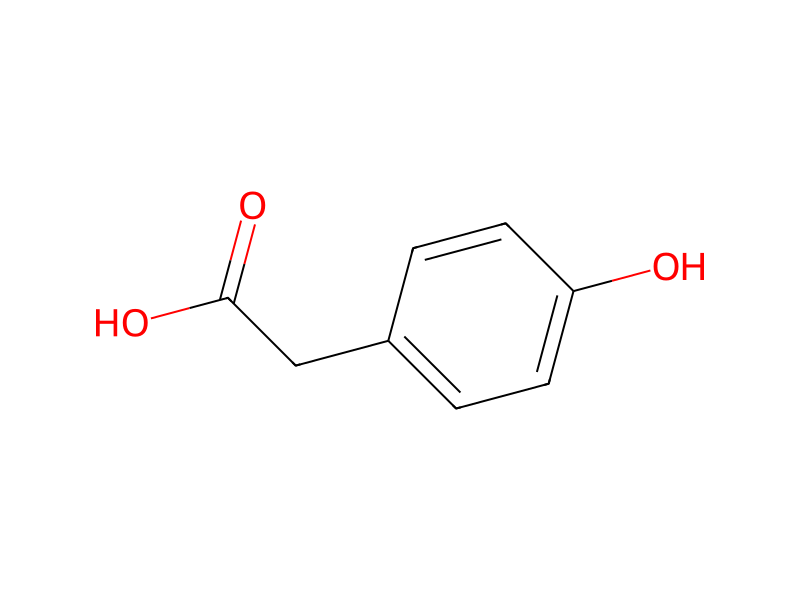


Product 1

Reagents, catalysts & solvents 1

Conditions
- Temperature
- 17.5 °C
Procedure
To 2-(4-hydroxyphenyl)acetic acid in DMF cooled to 0° C. was added K2CO3 and the solution was stirred for 30 min. Then, benzyl bromide was added and the solution stirred at 0° C. and was allowed to slowly warm to 15-20° C. After all the ice was melted the solution was poured into NH4Cl(sat) and extracted with EtOAc. The combined organics were dried (Na2SO4), filtered, and evaporated. Column chromatography (SiO2, 0-35% EtOAc/Hex) gave pure benzyl 2-(4-hydroxyphenyl)acetate (E301).
Workup
- stirringthe solution stirred at 0° C.
- extractionextracted with EtOAc
- dry with materialThe combined organics were dried (Na2SO4)
- filtrationfiltered
- customevaporated
Sources & evidence
- ORD record
- ord-dc6536b643ab431b8279947673fbfe18
- Source dataset
- uspto-grants-2013_03
- Patent number
- US08394826B2
Reaction notes
Loading…