Picolinic acid → N-Methoxy-N-methylpicolinamide
Reaction equation

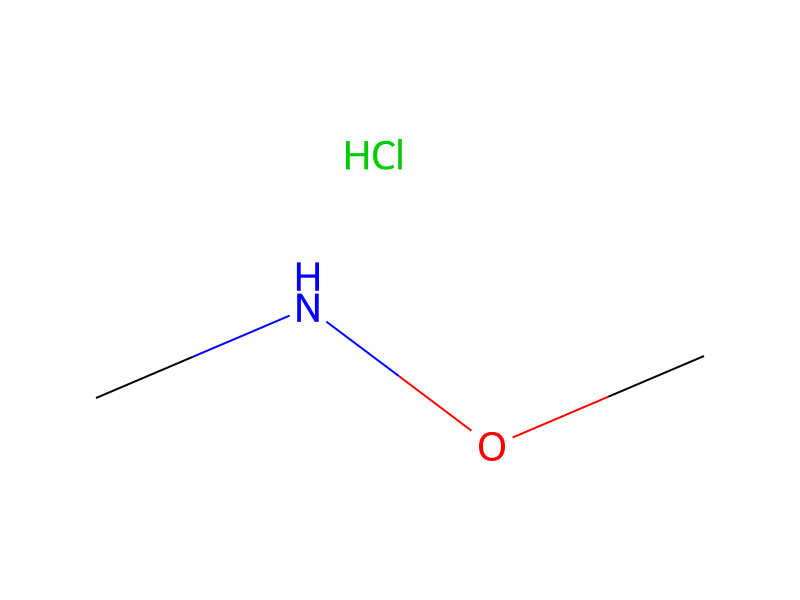
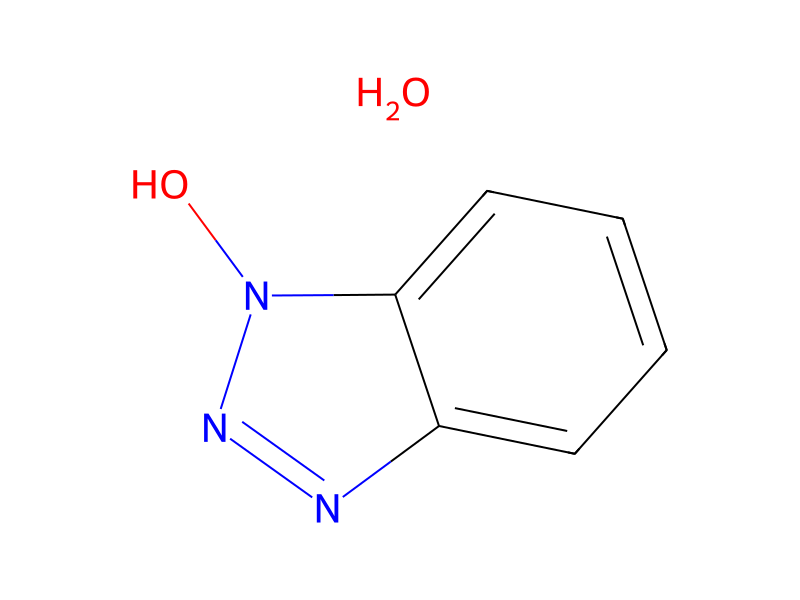
[N:1]1[CH:6]=[CH:5][CH:4]=[CH:3][C:2]=1[C:7]([OH:9])=O.Cl.[CH3:11][NH:12][O:13][CH3:14].CCN=C=NCCCN(C)C.Cl.O.ON1C2C=CC=CC=2N=N1.C(N(CC)CC)C.C(=O)([O-])O.[Na+]>CN(C=O)C>[CH3:14][O:13][N:12]([CH3:11])[C:7]([C:2]1[CH:3]=[CH:4][CH:5]=[CH:6][N:1]=1)=[O:9]Participants
Reactant 6




Product 1

Reagents, catalysts & solvents 1

Conditions
- Temperature
- 50 °C
Procedure
Picolinic acid (1.00 g, 8.12 mmol) was dissolved in DMF (40 mL), and N,O-dimethylhydroxylamine hydrochloride (1.58 g, 16.2 mmol), EDC hydrochloride (3.12 g, 16.2 mmol), 1-hydroxybenzotriazole monohydrate (2.48 mg, 16.2 mmol) and triethylamine (2.25 ml, 16.2 mmol) were added thereto, followed by stirring at 50° C. for 3 hours. A saturated aqueous solution of sodium hydrogencarbonate was added to the reaction mixture, followed by extraction with ethyl acetate. The organic layer was washed with a saturated aqueous solution of sodium chloride and dried over anhydrous magnesium sulfate, and then the solvent was distilled away under reduced pressure. The resulting residue was purified through silica gel column chromatography (hexane:ethyl acetate=1:4) to afford N-methoxy-N-methylpyridine-2-carboxamide (988 mg, 73%).
Workup
- extractionfollowed by extraction with ethyl acetate
- washThe organic layer was washed with a saturated aqueous solution of sodium chloride
- dry with materialdried over anhydrous magnesium sulfate
- distillationthe solvent was distilled away under reduced pressure
- customThe resulting residue was purified through silica gel column chromatography (hexane:ethyl acetate=1:4)
Sources & evidence
- ORD record
- ord-5d81201b8593405ea2d3ef10eeb18fdf
- Source dataset
- uspto-grants-2013_04
- Patent number
- US08420827B2
Reaction notes
Loading…