Hydrochloric Acid → 4-Octylanisole
Reaction equation

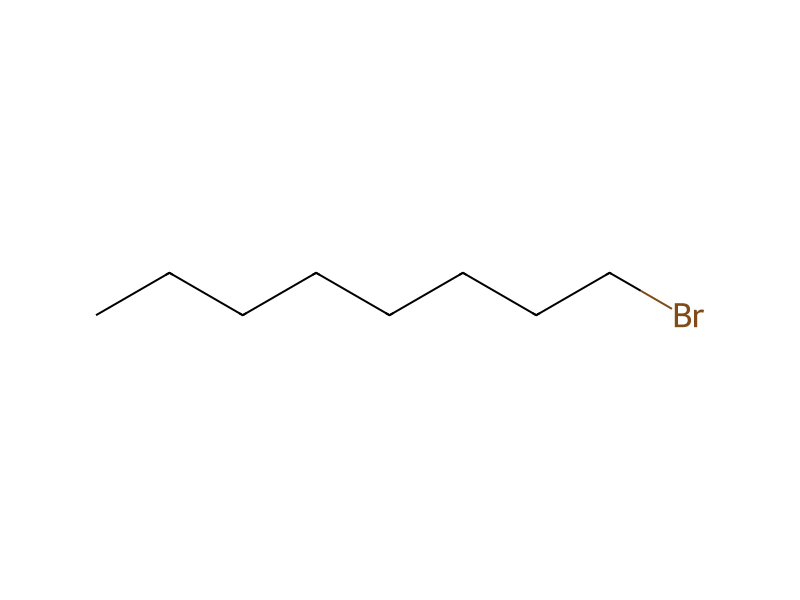
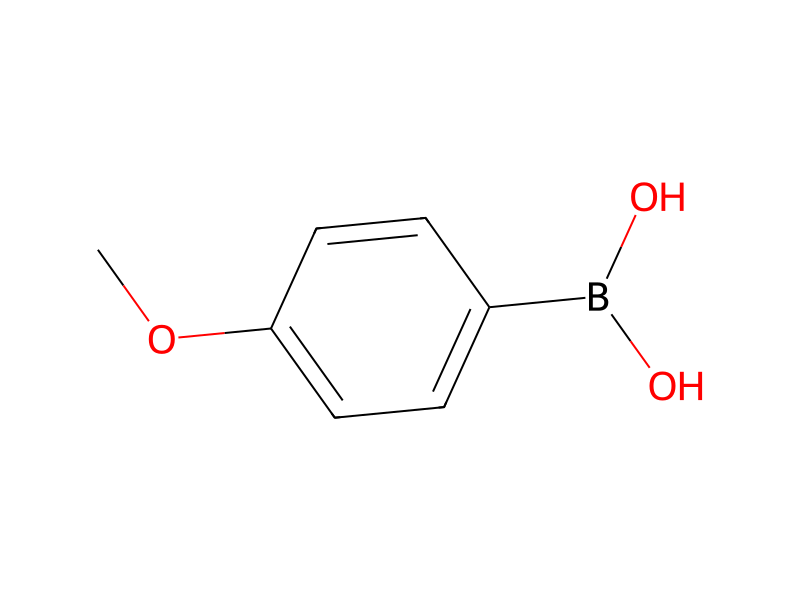
[CH3:1][O:2][C:3]1[CH:8]=[CH:7][C:6](B(O)O)=[CH:5][CH:4]=1.[CH3:12][CH2:13][C:14]1([C:23]2C=[CH:27][CH:26]=[CH:25][CH:24]=2)C(=O)NC(=O)NC1=O.BrCCCCCCCC.P([O-])([O-])([O-])=O.[K+].[K+].[K+].CN1C=CN=C1CC1N(C)C=CN=1.Cl>C1CC=CCCC=C1.C1CC=CCCC=C1.[Ni].CN(C)C(=O)C>[CH2:12]([C:6]1[CH:7]=[CH:8][C:3]([O:2][CH3:1])=[CH:4][CH:5]=1)[CH2:13][CH2:14][CH2:23][CH2:24][CH2:25][CH2:26][CH3:27]Participants
Reactant 6




Product 1

Reagents, catalysts & solvents 2


Conditions
- Temperature
- 80 °C
Procedure
In an argon atmosphere, 0.4 mmol (61 mg) of p-methoxyphenylboronic acid, 0.3 nunol (57 mg) of 1-bromooctane, 0.45 mmol (95 mg) of potassium phosphate, 0.015 mmol (2.6 mg) of bis(N-methylimidazole-2-yl)methane, and 0.015 mmol (4.1 mg) of bis(1,5-cyclooctadiene)nickel were mixed with 1 ml of N,N-dimethylacetamide. The resulting mixture was heated to 80° C. and then held at the same temperature for 2 hours under stirring. After the reaction was completed, the reaction mixture was allowed to stand at room temperature. After 10 ml of 1 N hydrochloric acid was added to dissolve potassium phosphate, the reaction mixture was transferred to a separating funnel and extracted with ethyl acetate. The extracted organic layer was washed with a saturated sodium chloride solution. The 4-octylanisole was obtained in a yield of 87% as shown in Table 1.
Workup
- customto stand at room temperature
- customthe reaction mixture was transferred to a separating funnel
- extractionextracted with ethyl acetate
- washThe extracted organic layer was washed with a saturated sodium chloride solution
Sources & evidence
- ORD record
- ord-e40871689623461c97a3eb553c5b6e8d
- Source dataset
- uspto-grants-2009_06
- Patent number
- US07553988B2
Reaction notes
Loading…