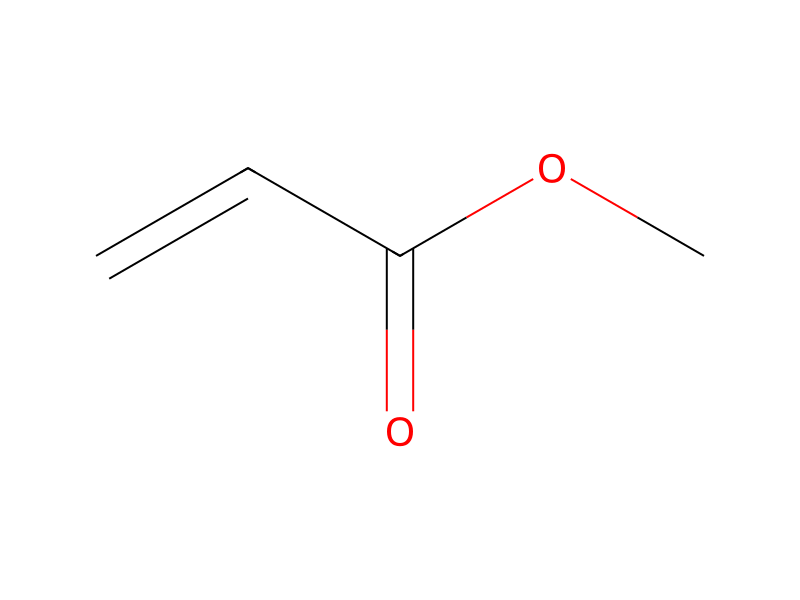
Methyl Acrylate → HCID 57657554, compound
Reaction equation

[Cl:1][C:2]1[CH:7]=[CH:6][C:5](I)=[C:4]([C:9]([F:12])([F:11])[F:10])[CH:3]=1.[C:13]([O:17][CH3:18])(=[O:16])[CH:14]=[CH2:15].C(=O)([O-])[O-].[K+].[K+]>[Cl-].C([N+](CCCC)(CCCC)CCCC)CCC.CN(C=O)C.CCOCC.C([O-])(=O)C.[Pd+2].C([O-])(=O)C>[Cl:1][C:2]1[CH:7]=[CH:6][C:5](/[CH:15]=[CH:14]/[C:13]([O:17][CH3:18])=[O:16])=[C:4]([C:9]([F:12])([F:11])[F:10])[CH:3]=1Participants
8
Reactant 3


Product 1

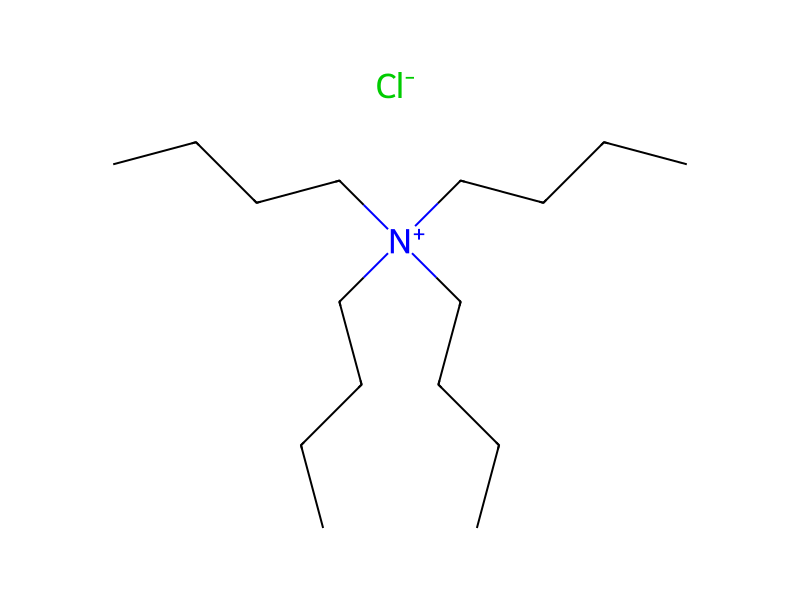
Reagents, catalysts & solvents 4



Procedure
The mixture of 4-chloro-1-iodo-2-(trifluoromethyl)-benzene (15 g), methyl acrylate (6.74 g), tetrabutylammonium chloride (14 g), palladium acetate (0.22 g) and potassium carbonate (13.6 g) in DMF (150 ml) was stirred at room temperature for 4 days. After diluting with ether (1 L), the mixture was washed with water (5×200 ml), then dried over sodium sulphate and solvent removed under reduced pressure. The residue was columned on silica gel using 5:1 heptane:EtOAc as eluant to give (E)-methyl 3-(4-chloro-2-(trifluoromethyl)-phenyl)-acrylate (13 g).
Workup
- washthe mixture was washed with water (5×200 ml)
- dry with materialdried over sodium sulphate and solvent
- customremoved under reduced pressure
Sources & evidence
- ORD record
- ord-b097aba6901c4812b28843bffa923585
- Source dataset
- uspto-grants-2011_04
- Patent number
- US07932251B2
Reaction notes
Loading…