Triethylamine → 3-(4-Hydroxymethylphenyl)acrylic acid ethyl ester
Reaction equation

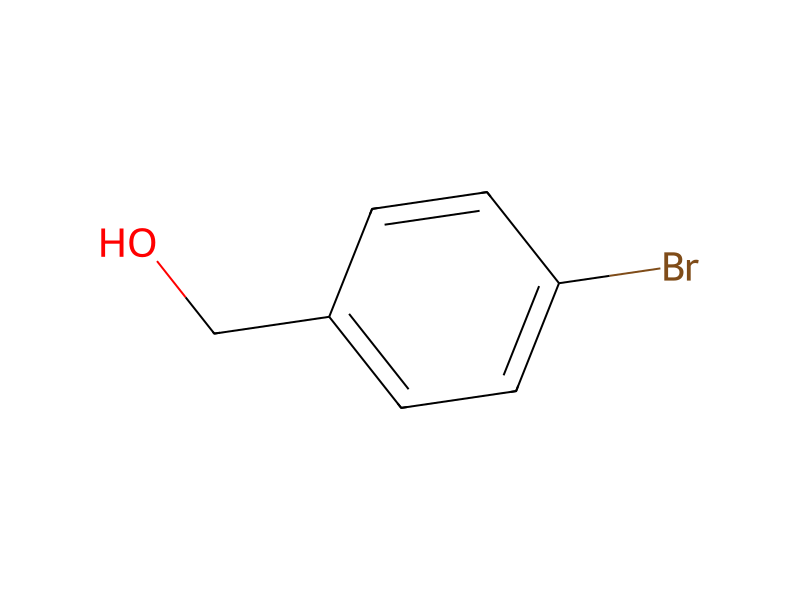
Br[C:2]1[CH:9]=[CH:8][C:5]([CH2:6][OH:7])=[CH:4][CH:3]=1.C1(P(C2C=CC=CC=2)C2C=CC=CC=2)C=CC=CC=1.C(N(CC)CC)C.[C:36]([O:40][CH2:41][CH3:42])(=[O:39])[CH:37]=[CH2:38]>C([O-])(=O)C.[Pd+2].C([O-])(=O)C>[CH2:41]([O:40][C:36](=[O:39])[CH:37]=[CH:38][C:2]1[CH:9]=[CH:8][C:5]([CH2:6][OH:7])=[CH:4][CH:3]=1)[CH3:42]Participants
6





Procedure
4-Bromobenzyl alcohol (10.5 g, 56.1 mmol), triphenylphosphine (0.5 g, 1.9 mmol) and palladium acetate (0.5 g, 2.2 mmol) were stirred at reflux in ethyl acrylate (20 mL) and triethylamine (100 mL) for 72 hours, then allowed to cool. The reaction mixture was filtered through celite (Diatomaceous Earth), then concentrated. The crude solid was purified by chromatography on silica gel (20% v/v ethyl acetate in petroleum ether) to afford the title compound as an oil.
Workup
- temperatureto cool
- filtrationThe reaction mixture was filtered through celite (Diatomaceous Earth)
- concentrationconcentrated
- customThe crude solid was purified by chromatography on silica gel (20% v/v ethyl acetate in petroleum ether)
Sources & evidence
- ORD record
- ord-cec32b817e254fb298ae4f7643043384
- Source dataset
- uspto-grants-2008_08
- Patent number
- US07410984B2
Reaction notes
Loading…