Sodium Iodide → 4-Iodotoluene
Reaction equation

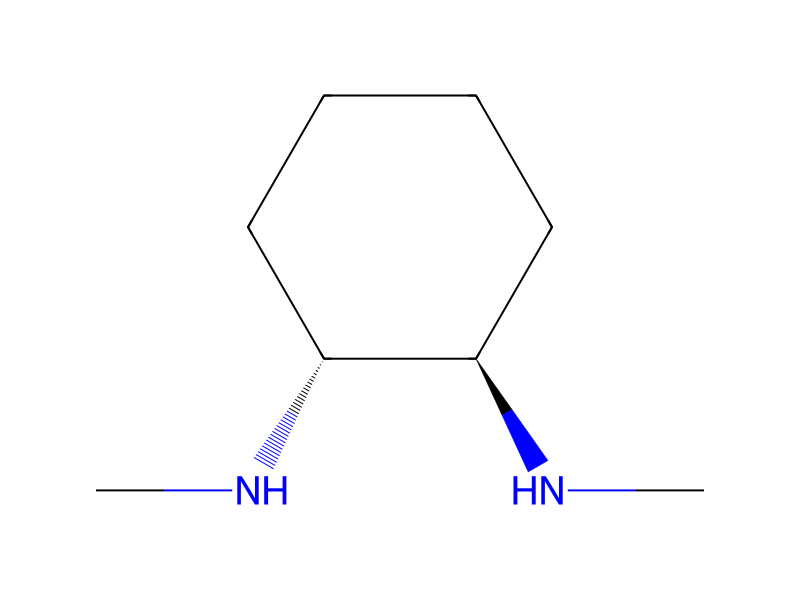
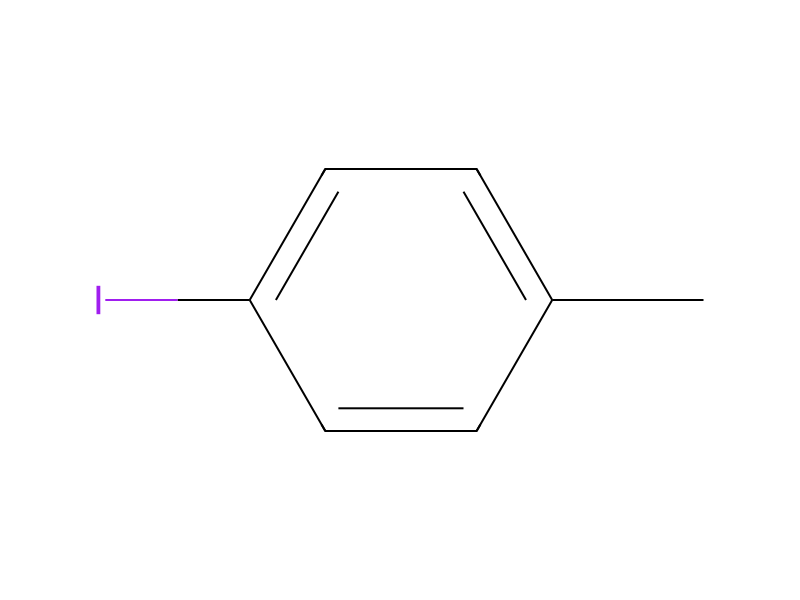
[Na+].[I-:2].CN[C@@H]1CCCC[C@H]1NC.[Cl:13][C:14]1[CH:19]=[CH:18][C:17]([CH3:20])=[CH:16][CH:15]=1.C(O)CCCC.CCCCC[CH2:32][CH2:33][CH2:34][CH2:35][CH2:36][CH2:37][CH3:38]>C(OCC)(=O)C.[Cu]I>[Cl:13][C:14]1[CH:19]=[CH:18][C:17]([CH3:20])=[CH:16][CH:15]=1.[I:2][C:36]1[CH:35]=[CH:34][C:33]([CH3:32])=[CH:38][CH:37]=1Participants
Reactant 5


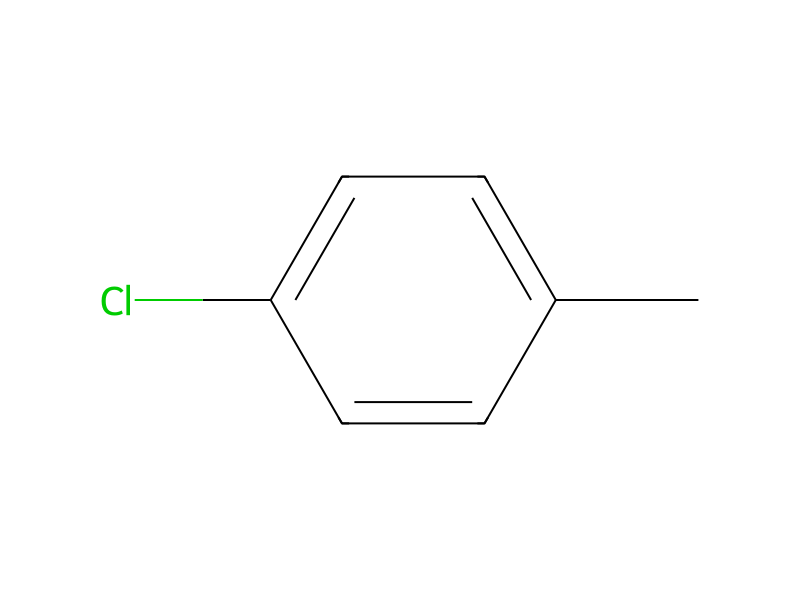

Product 2
Reagents, catalysts & solvents 2


Conditions
- Temperature
- 130 °C
Procedure
A Schlenk tube was charged with CuI (19.5 mg, 0.102 mmol, 5.0 mol %), NaI (450 mg, 3.00 mmol), evacuated and backfilled with argon. Racemic trans-N,N′-dimethyl-1,2-cyclohexanediamine (31.5 μL, 0.200 mmol, 10 mol %), 4-chlorotoluene (237 μL, 2.00 mmol), and n-pentanol (0.50 mL) were added under argon. The Schlenk tube was sealed with a Teflon valve and the reaction mixture was stirred at 130° C. for 24 h. The resulting dark green-gray suspension was allowed to reach room temperature. Ethyl acetate (3 mL) and dodecane (internal GC standard, 460 μL) were added to the reaction mixture. A 50 μL sample of the supernatant solution was diluted with ethyl acetate (1 mL) and analyzed by GC to provide 35% conversion of 4-chlorotoluene and 33% yield of 4-iodotoluene.
Workup
- customevacuated
- customThe Schlenk tube was sealed with a Teflon valve
- customto reach room temperature
Sources & evidence
- ORD record
- ord-25f744bc452342049ca1a0656c76047a
- Source dataset
- uspto-grants-2008_01
- Patent number
- US07323608B2
Reaction notes
Loading…