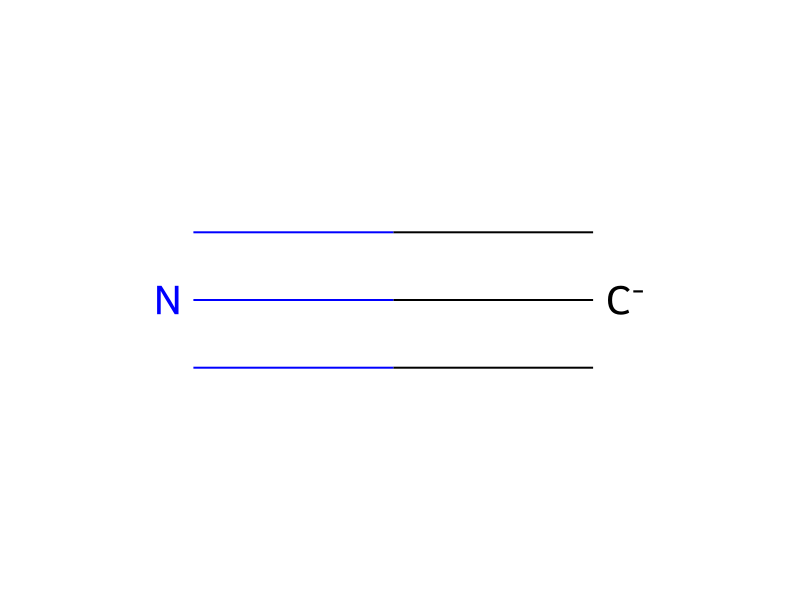
Cyanide → HCID 86717868, compound
Reaction equation

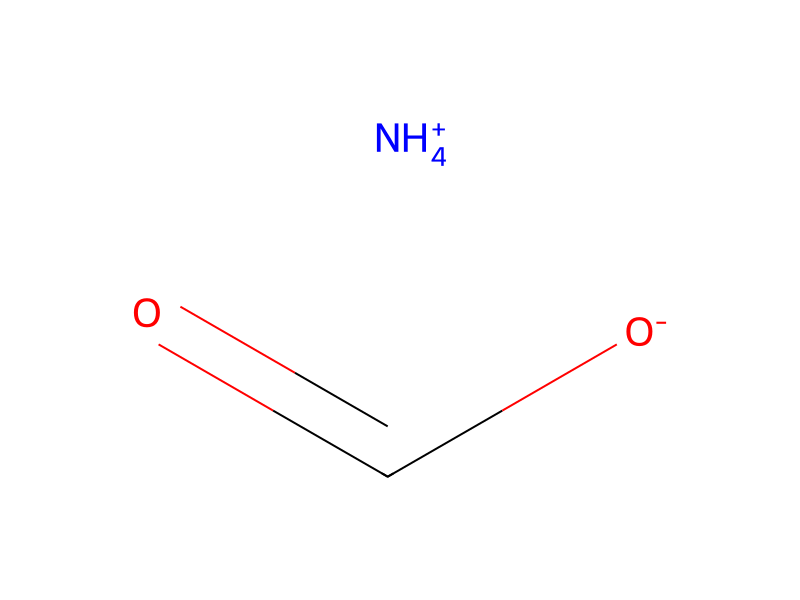
[OH:1][C:2]1[CH:3]=[C:4]([CH:7]=[CH:8][C:9]=1[O:10][CH3:11])[CH:5]=O.[CH2:12]([NH2:19])[C:13]1[CH:18]=[CH:17][CH:16]=[CH:15][CH:14]=1.[C:20](=[O:23])([O-])[O-].[K+].[K+].[N:26]#[C-:27].[CH:28]([O-:30])=O.[NH4+]>[Pd].CO.O1CCCC1.C(O)(=O)C.C(O)C>[CH3:28][O:30][C:15]1[CH:14]=[C:13]([C:12]2[N:19]=[CH:27][NH:26][C:5]=2[C:4]2[CH:7]=[CH:8][C:9]([O:10][CH3:11])=[C:2]([OH:1])[CH:3]=2)[CH:18]=[C:17]([O:23][CH3:20])[CH:16]=1Participants
11
Reactant 5



Product 1

Reagents, catalysts & solvents 5





Procedure
The protected 3-hydroxy-4-methoxy-benzaldehyde, anhydrous ethanol, benzyl amine and acetic acid were sequentially added into a three-necked flask, dissolved with stirring, and reacted at reflux. Subsequently, potassium carbonate, isonitrile and tetrahydrofuran were successively added. The mixture was reacted at 50° C. with stirring. After cooling, the ethanol was evaporated under reduced pressure. The residue was purified by silica gel column chromatography to give a solid. Then, the solid was subjected to reduction over palladium on carbon and ammonium formate using methanol as a solvent to afford the desired product, as a white solid, melting point: 181.1˜182.4° C.
Workup
- dissolutiondissolved
- customreacted
- temperatureat reflux
- customThe mixture was reacted at 50° C.
- stirringwith stirring
- temperatureAfter cooling
- customthe ethanol was evaporated under reduced pressure
- customThe residue was purified by silica gel column chromatography
- customto give a solid
Sources & evidence
- ORD record
- ord-9c0d809148404c729989f94cbf3dbfc5
- Source dataset
- uspto-grants-2015_09
- Patent number
- US09139574B2
Reaction notes
Loading…