Hydrogen Peroxide → Picolinic acid
Reaction equation

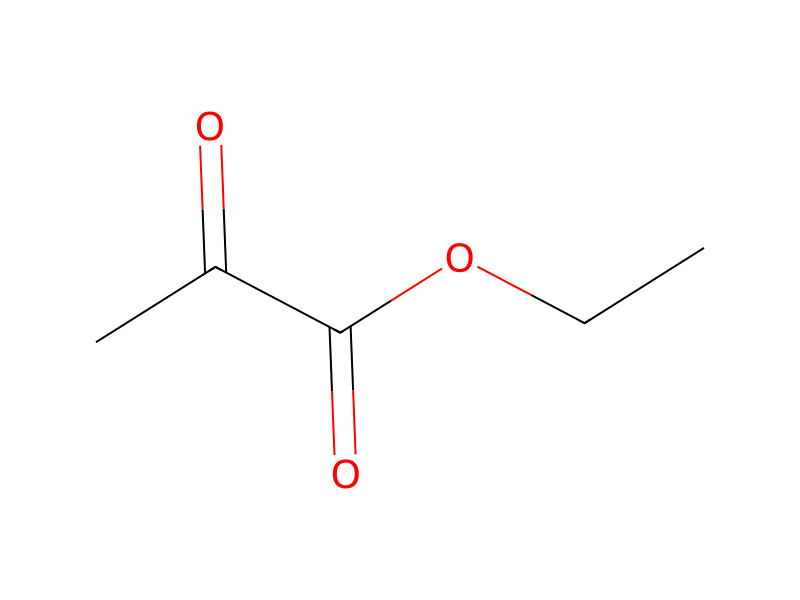
[C:1]([O:6]CC)(=[O:5])[C:2]([CH3:4])=O.OO.Cl[C:12]1C=C[N:15]=[CH:14][CH:13]=1.OS(O)(=O)=O>O.C1(C)C=CC=CC=1.O.O.O.O.O.O.O.S([O-])([O-])(=O)=O.[Fe+2]>[N:15]1[CH:14]=[CH:13][CH:12]=[CH:4][C:2]=1[C:1]([OH:6])=[O:5]Participants






Procedure
Ethyl pyruvate (0.9-3 eq.) was stirred and cooled (−20-+0ℑ C.) and hydrogen peroxide (30-35%, 0.9-3 eq) was added dropwise. This solution and a solution of Iron sulfate heptahydrate (0.9-3 eq.) in water (1-5 vol.) were then slowly and simultaneously added dropwise into a stirred solution of 4-Chloropyridine (1 eq) in water (1-5 vol.) and conc. H2SO4 (1-4 eq.) and Toluene (0-20 vol.), keeping the temperature below 25ℑ C. The mixture was then stirred at room temperature until the reaction is judged complete. The mixture was poured into ice cold NaOH (10%) solution. Toluene (2-5 vol.) was added (If not already present), the layers were separated. The toluene layer was washed with 0.5N HCl solution and evaporated to yield the crude 2-Pyridinecarboxylic acid, 4-chloro-3,5-dimethyl-, ethyl ester in over 90% yield based on the consumed starting material and over 50% isolated yield.
Workup
- additionwas added dropwise
- customwere separated
- washThe toluene layer was washed with 0.5N HCl solution
- customevaporated
Sources & evidence
- ORD record
- ord-c2ab4a46c292415bbc040756886948b7
- Source dataset
- uspto-grants-2002_08
- Patent number
- US06437139B1
Reaction notes
Loading…