Triphenylphosphine → 3-(4-Pyridyl)-2-(4-fluorophenyl)indole
Reaction equation

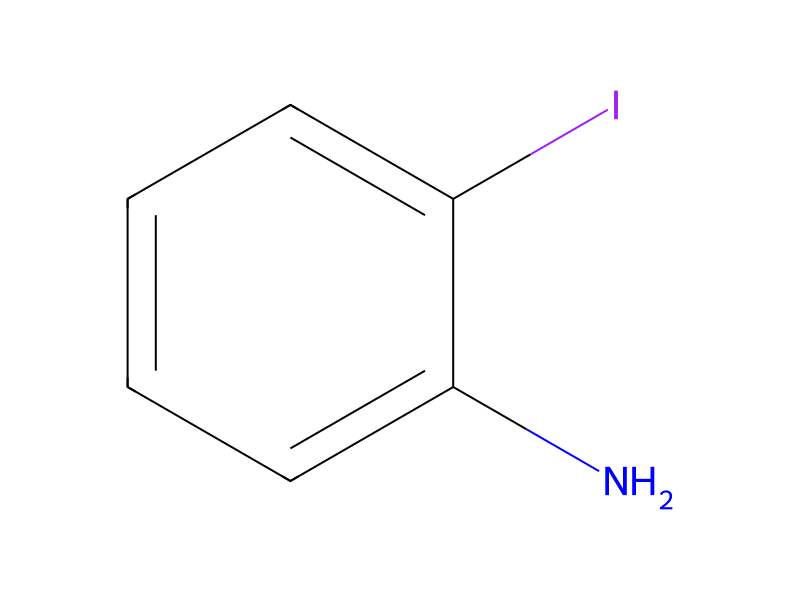
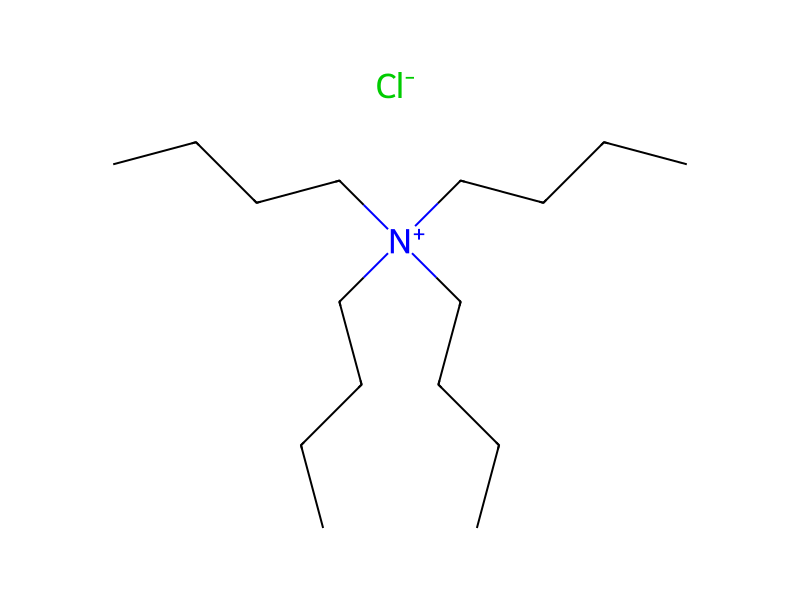
I[C:2]1[CH:8]=[CH:7][CH:6]=[CH:5][C:3]=1[NH2:4].C1(P(C2C=CC=CC=2)C2C=CC=CC=2)C=CC=CC=1.C([O-])(=O)C.[K+].[N:33]1[CH:38]=[CH:37][C:36]([C:39]#[C:40][C:41]2[CH:46]=[CH:45][C:44]([F:47])=[CH:43][CH:42]=2)=[CH:35][CH:34]=1>[Cl-].C([N+](CCCC)(CCCC)CCCC)CCC.C([O-])(=O)C.[Pd+2].C([O-])(=O)C.O.CN(C=O)C>[N:33]1[CH:38]=[CH:37][C:36]([C:39]2[C:2]3[C:3](=[CH:5][CH:6]=[CH:7][CH:8]=3)[NH:4][C:40]=2[C:41]2[CH:42]=[CH:43][C:44]([F:47])=[CH:45][CH:46]=2)=[CH:35][CH:34]=1Participants
9
Reactant 4



Product 1

Reagents, catalysts & solvents 4



Conditions
- Temperature
- 100 °C
Procedure
2-Iodoaniline (2) (525 mg, 2.40 mmol) was added to palladium acetate (26.9 mg, 0.120 mmol), triphenyl phosphine (31.5 mg, 0 .120 mmol), potassium acetate (1.18 g, 12.0 mmol), tetrabutylammonium chloride (547 mg, 2.40 mmol), 1-(4-pyridyl)-2-(4-fluorophenyl)ethyne (1) (1.0 g, 4.8 mmol), and DMF (20 mL). The reaction was warmed to 100° C. for 17 h under argon. After cooling to 23° C., the reaction was poured into water (200 mL), extracted with ethyl acetate (3×100 mL), and dried (MgSO4). After concentration in vacuo, the residue was purified by flash chromatography on silica gel (methanol:ethyl acetate 1:19) to afford indoles (3) and (4) as a mixture of regioisomers (4:1): Mass Spectrum (CI) 289 (MH+).
Workup
- temperatureAfter cooling to 23° C.
- extractionextracted with ethyl acetate (3×100 mL)
- dry with materialdried (MgSO4)
- concentrationAfter concentration in vacuo
- customthe residue was purified by flash chromatography on silica gel (methanol:ethyl acetate 1:19)
Sources & evidence
- ORD record
- ord-771a9bc485984414b37e3bb807aef1e9
- Source dataset
- uspto-grants-2002_08
- Patent number
- US06440973B1
Reaction notes
Loading…