Bromide ion → HCID 19847213, compound
Reaction equation

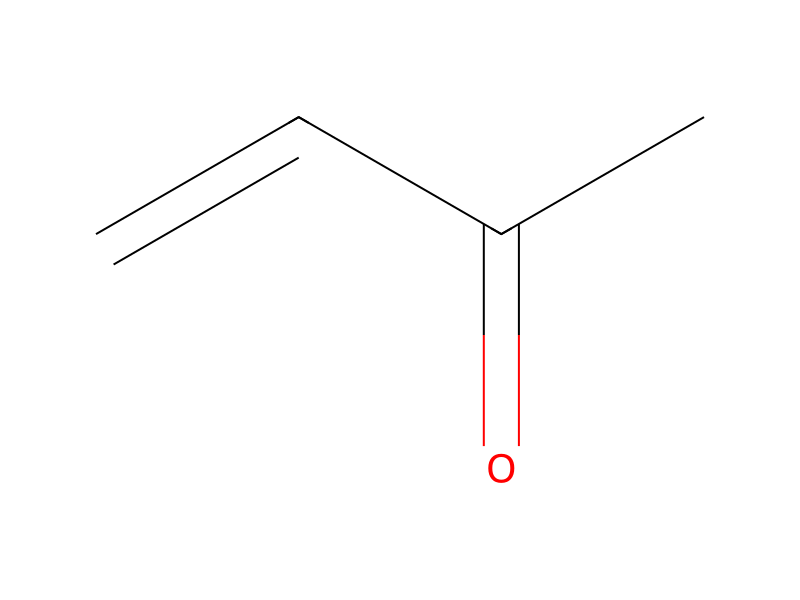
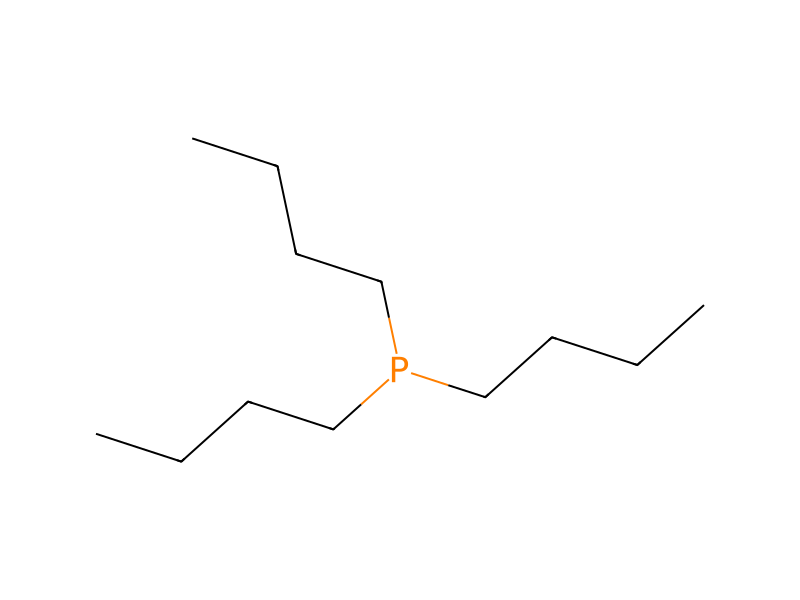
C[CH:2]([CH2:9][CH2:10][CH2:11][CH2:12][CH2:13]C(C)CCC)[CH2:3][CH2:4][CH2:5][C:6](=[O:8])[CH3:7].[CH3:19]C(C1CC1)=O.C([Mg]Br)CC.[Br-].Br.BrCCCC(C)CCC.C(C(C)=O)=C.C(P(CCCC)CCCC)CCC>O=[Pt]=O.CO>[CH3:19][CH:10]([CH2:11][CH2:12][CH3:13])[CH2:9][CH2:2][CH2:3][CH2:4][CH2:5][C:6](=[O:8])[CH3:7]Participants
Reactant 8





Product 1

Reagents, catalysts & solvents 2


Procedure
The novel synthesis of racemic 6,12-dimethylpentadecan-2-one is shown in FIG. 4 and described in detail below in Example 2. Briefly, the synthesis of racemic 6,12-dimethylpentadecan-2-one was initiated by the reaction of methylcyclopropyl ketone with n-propylmagnesium bromide. The intermediate tertiary carbinol was isomerized to the homoallylic bromide (1) with hydrobromic acid. The allic bromide (1) was reduced to 1-bromo-4-methylheptane (2) by hydrogenation with PtO2. The saturated bromide (2) was converted to the corresponding organocopper reagent which was reacted with methyl vinyl ketone in the presence of tri-n-butyl phosphine to produce 8-methylundecan-2-one (3). A Wittig reaction between the C-12 methylketone (3) and ethylene ketal pentan-2-one phosphonium salt (4), produced a mixture of the Z and E isomers of the ethylene ketal of 6,12-dimethyl-(5) (15% yield). The unsaturated ethylene ketals were hydrogenated and then subjected to acid hydrolysis to produce 6,12-dimethylpentadecan-2-one (7). The final product was purified by high-performance liquid chomatography (HPLC) and GLC.
Sources & evidence
- ORD record
- ord-9639751c739940e3916108f4c4c79fa4
- Source dataset
- uspto-grants-1989_10
- Patent number
- US04871537
Reaction notes
Loading…