Hydrochloric Acid → HCID 178418664, compound
Reaction equation

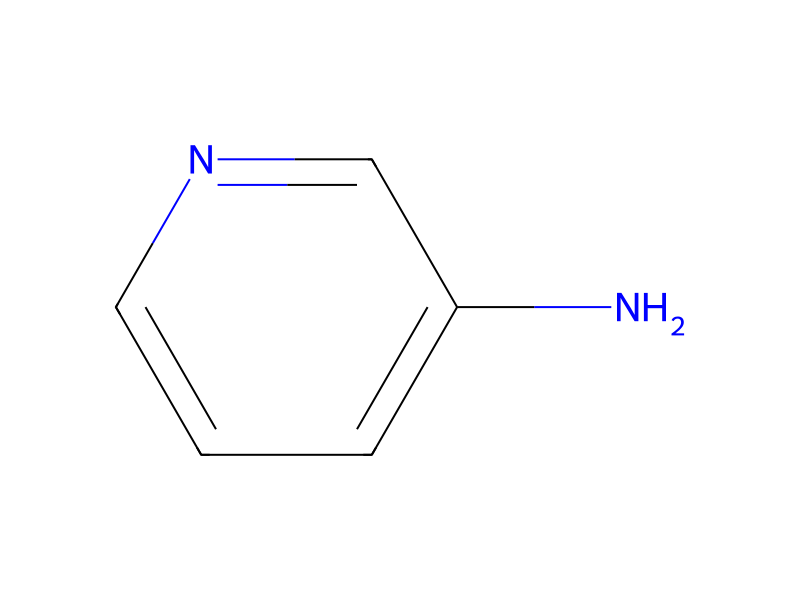
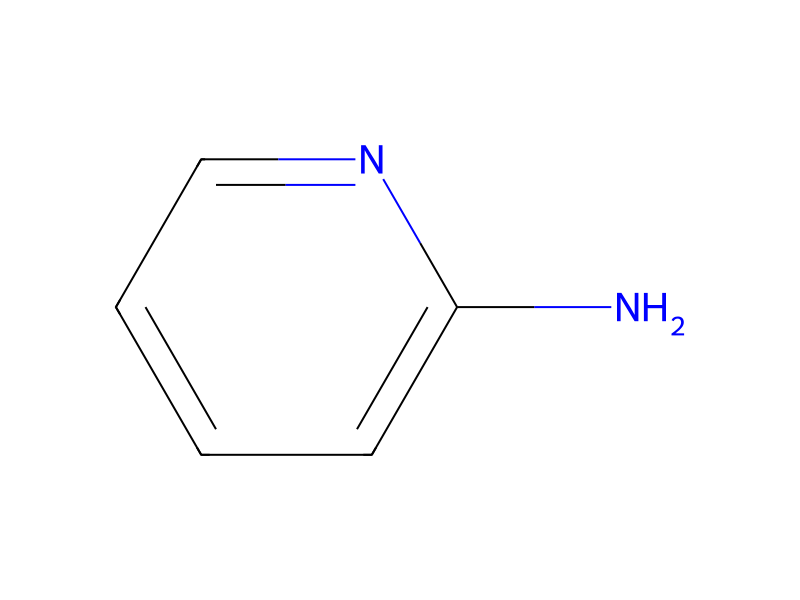
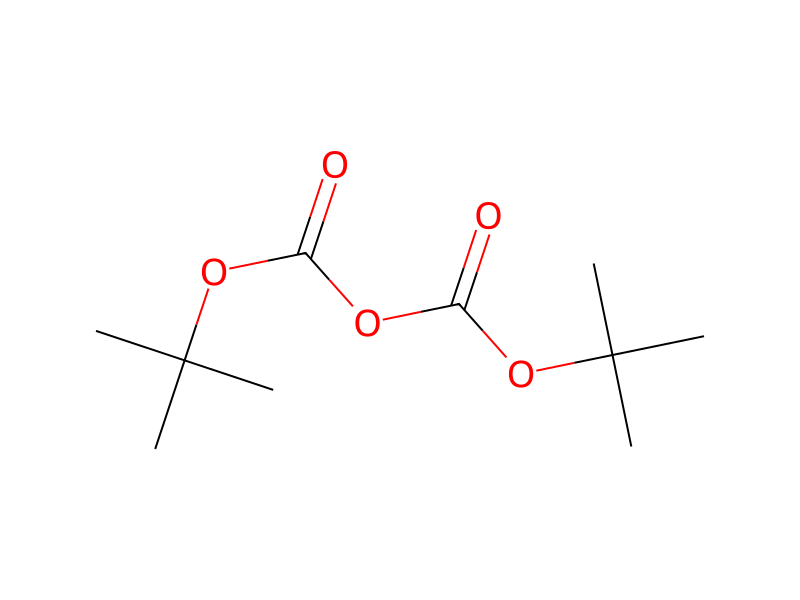
[NH2:1][C:2]1[CH:3]=[N:4][CH:5]=[CH:6][CH:7]=1.C(OC(OC(OC(C)(C)C)=O)=O)(C)(C)C.NC1C=CC=CN=1.C([Li])CCC.[S].[Cl-:36].[NH4+].C(OC(NC1[S:51]C=CN=C1)=O)(C)(C)C.Cl>O1CCCC1.C(O)(=O)C>[ClH:36].[NH2:1][C:2]1[CH:3]=[N:4][CH:5]=[CH:6][C:7]=1[SH:51]Participants
Reactant 8





Product 1

Reagents, catalysts & solvents 2


Procedure
In Scheme (3), 3-aminopyridine is acylated with di-t-butyldicarbonate to introduce the t-butoxycarbonyl (t-BOC) protecting group. (It will be appreciated that two other pyridinothiazolothio mercaptans may be prepared by known methodology using other amino pyridine isomers.) The t-BOC protected 3-aminopyridine is then treated with n-butyllithium in tetrahydrofuran followed by elemental sulfur (S8), followed by treatment with saturated ammonium chloride. The resulting 3-t-butoxycarbonylamino-4-thia-pyridine is treated with a mixture of acetic acid and HCl to provide 3-amino-4-mercaptopyridine hydrochloride. The desired 5-pyridinothiazolo thiomercaptan can then be prepared by treating this compound with carbon disulfide under basic conditions.
Sources & evidence
- ORD record
- ord-2df047e3555f48cea8b9c0ab667fd361
- Source dataset
- uspto-grants-1994_11
- Patent number
- US05362722
Reaction notes
Loading…