Phosphate → HCID 70572016, compound
Reaction equation

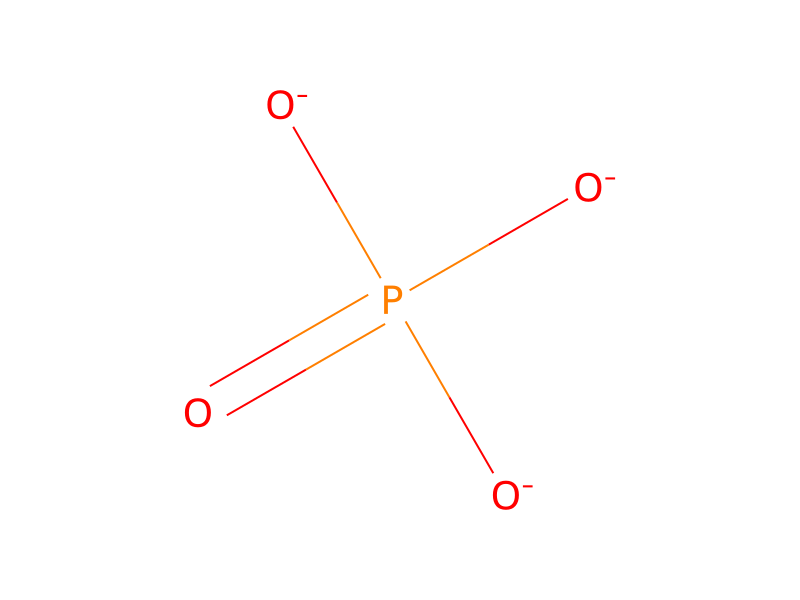
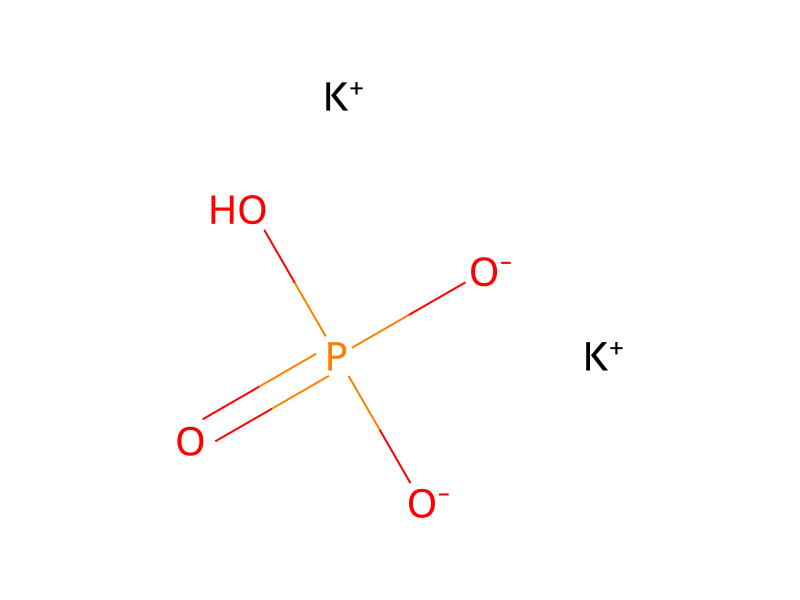
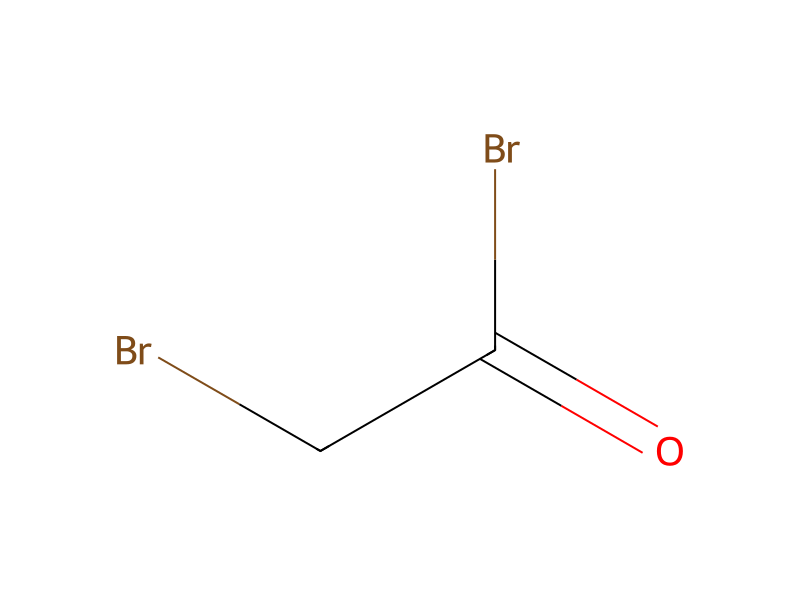
[NH2:1][CH:2]1[C:20](=[O:21])[N:4]2[C:5]([C:17]([OH:19])=[O:18])=[C:6]([CH2:9][S:10][C:11]3[N:15]([CH3:16])[N:14]=[N:13][N:12]=3)[CH2:7][S:8][C@H:3]12.[Br:22][CH2:23][C:24](Br)=[O:25].P([O-])([O-])([O-])=O.P([O-])([O-])(O)=O.[K+].[K+]>CN(C)C=O.C(N(CC)CC)C.C(Cl)Cl.C(OCC)(=O)C>[Br:22][CH2:23][C:24]([NH:1][CH:2]1[C:20](=[O:21])[N:4]2[C:5]([C:17]([OH:19])=[O:18])=[C:6]([CH2:9][S:10][C:11]3[N:15]([CH3:16])[N:14]=[N:13][N:12]=3)[CH2:7][S:8][C@H:3]12)=[O:25]Participants
Reactant 4

Product 1

Reagents, catalysts & solvents 4




Procedure
20 g of 7-amino-3-(1-methyl-tetrazol-5-ylthio)methylceph-3-em-4-carboxylic acid are dissolved in 460 ml of dimethylformamide and 15.7 ml of triethylamine. This solution is added dropwise over the course of 25 minutes, whilst stirring vigorously, to a solution, precooled to -20° C., of 14.1 g of bromoacetyl bromide in 115 ml of methylene chloride. During the addition the temperature is kept low, and then the batch is allowed to warm to room temperature and is finally stirred for a further hour at room temperature. Thereafter, the reaction mixture is filtered through a "Celite" layer and is concentrated to a syrupy consistency in a high vacuum, using a solid carbon dioxide/acetone condenser. The residue obtained is taken up in 160 ml of 10% strength phosphate buffer of pH 6.7, and 500 ml of ethyl acetate. A pH of 6.0 is established by stirring and adding a total of 37 ml of 20% strength dipotassium hydrogen phosphate solution. After separating the phases, the aqueous phase is again re-extracted with 500 ml of ethyl acetate. The organic phases are discarded. The aqueous phase is now covered with 1.5 liters of ethyl acetate and is brought to pH 2.8 with strong acid. After the phase separation, the aqueous phase is re-extracted with 1.2 and 1.0 liter of ethyl acetate. The organic phases are successively washed with twice 100 ml of saturated sodium chloride solution, dried by means of sodium sulphate and evaporated to dryness in vacuo. The light-coloured resin is dissolved in 60 ml of acetone. An impurity is precipitated by adding 70 ml of absolute ether, and the decanted liquid is treated with 600 ml of ether and 700 ml of pentane whilst stirring vigorously. 7-Bromoacetylamino-3-(1-methyl-tetrazol-5-ylthio)methyl-ceph-3-em-4-carboxylic acid is obtained as an almost colourless precipitate which can directly be used further.
Workup
- additionThis solution is added dropwise over the course of 25 minutes
- additionDuring the addition the temperature
- stirringis finally stirred for a further hour at room temperature
- filtrationThereafter, the reaction mixture is filtered through a "Celite" layer
- concentrationis concentrated to a syrupy consistency in a high vacuum
- customThe residue obtained
- stirringby stirring
- customAfter separating the phases
- extractionthe aqueous phase is again re-extracted with 500 ml of ethyl acetate
- customAfter the phase separation
- extractionthe aqueous phase is re-extracted with 1.2 and 1.0 liter of ethyl acetate
- washThe organic phases are successively washed with twice 100 ml of saturated sodium chloride solution
- dry with materialdried by means of sodium sulphate
- customevaporated to dryness in vacuo
- dissolutionThe light-coloured resin is dissolved in 60 ml of acetone
- customAn impurity is precipitated
- additionby adding 70 ml of absolute ether
- additionthe decanted liquid is treated with 600 ml of ether and 700 ml of pentane
- stirringwhilst stirring vigorously
Sources & evidence
- ORD record
- ord-e29fda592cb34d658248e237b031ecab
- Source dataset
- uspto-grants-1977_05
- Patent number
- US04025509
Reaction notes
Loading…