Hydrochloric Acid → HCID 68829902, compound
Reaction equation

C(OP([CH2:9][C:10]1[CH:19]=[CH:18][C:13]([C:14]([O:16]C)=[O:15])=[CH:12][CH:11]=1)(OCC)=O)C.[H-].[Na+].[N:22]1[CH:27]=[CH:26][C:25]([CH:28]=O)=[CH:24][CH:23]=1.[H][H].[ClH:32]>O1CCCC1.CO.[C].[Pd].C(OCC)(=O)C>[ClH:32].[N:22]1[CH:27]=[CH:26][C:25]([CH2:28][CH2:9][C:10]2[CH:11]=[CH:12][C:13]([C:14]([OH:16])=[O:15])=[CH:18][CH:19]=2)=[CH:24][CH:23]=1Participants
Reactant 5




Product 1

Reagents, catalysts & solvents 4




Procedure
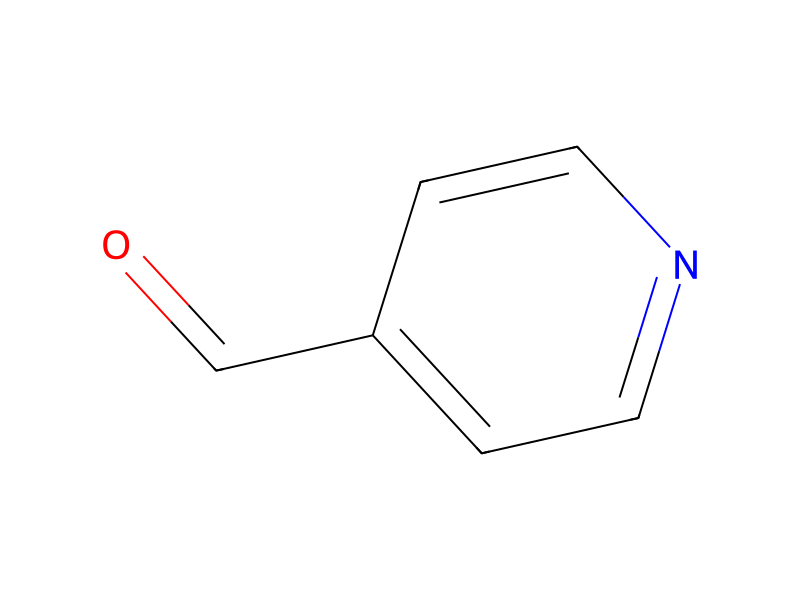
4.80 g (16.8 mmol) of methyl 4-(diethoxyphosphorylmethyl)benzoate was dissolved in 100 ml of tetrahydrofuran. 620 mg (15.5 mmol) of sodium hydride was added to the obtained solution under cooling with ice, and the obtained mixture was stirred for 30 minutes and then stirred at room temperature for additional 30 minutes. 1.38 g (12.9 mmol) of pyridine-4-aldehyde was added to the mixture, and they were stirred for 20 hours. After the treatment with ethyl acetate as the extraction solvent in an ordinary manner, the obtained crude product was dissolved in 30 ml of methanol. 300 mg of 10% palladium-carbon was added to the obtained solution, and they were stirred in the presence of hydrogen for 20 hours. After the filtration through Celite, the solvent was evaporated. The residue was dissolved in 30 mol of concentrated hydrochloric acid, and the obtained solution was stirred at 40° C. overnight. The solvent was evaporated to obtain the crude title compound.
Workup
- temperatureunder cooling with ice
- stirringstirred at room temperature for additional 30 minutes
- stirringwere stirred for 20 hours
- filtrationAfter the filtration through Celite
- customthe solvent was evaporated
- stirringthe obtained solution was stirred at 40° C. overnight
- customThe solvent was evaporated
Sources & evidence
- ORD record
- ord-6fadedcb910340749af7dc54e8e74824
- Source dataset
- uspto-grants-2004_11
- Patent number
- US06825181B1
Reaction notes
Loading…