N-methyl-2-pyrrolidone → HCID 22632787, compound
Reaction equation

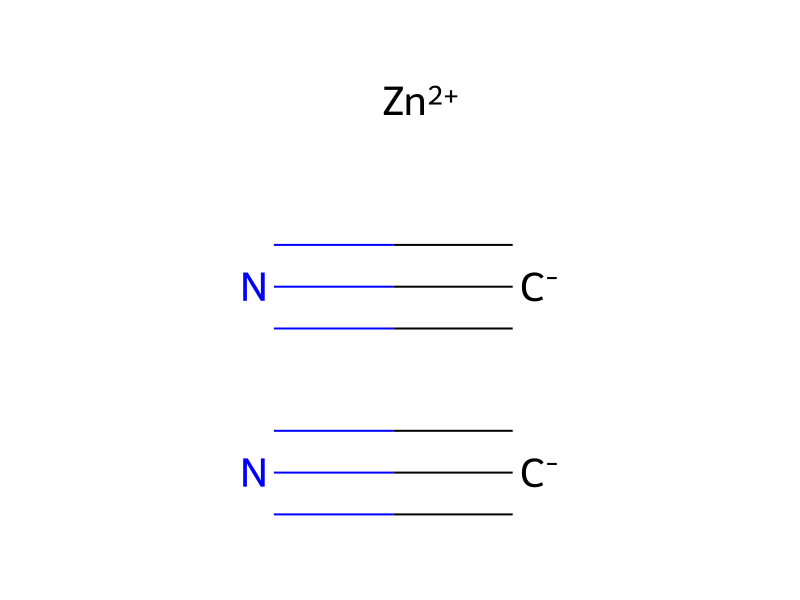
[N:1]1[CH:6]=[CH:5][CH:4]=[CH:3][C:2]=1[C:7]1[O:8][CH2:9][C:10](=[O:20])[N:11]([C:13]2[CH:18]=[CH:17][CH:16]=[CH:15][C:14]=2I)[N:12]=1.[CH3:21][N:22]1CCCC1=O>C(=O)(O)[O-].[Na+].[C-]#N.[Zn+2].[C-]#N.[Cu](I)I.[Pd].C1(P(C2C=CC=CC=2)C2C=CC=CC=2)C=CC=CC=1.C1(P(C2C=CC=CC=2)C2C=CC=CC=2)C=CC=CC=1.C1(P(C2C=CC=CC=2)C2C=CC=CC=2)C=CC=CC=1.C1(P(C2C=CC=CC=2)C2C=CC=CC=2)C=CC=CC=1>[N:1]1[CH:6]=[CH:5][CH:4]=[CH:3][C:2]=1[C:7]1[O:8][CH2:9][C:10](=[O:20])[N:11]([C:13]2[CH:18]=[CH:17][CH:16]=[CH:15][C:14]=2[C:21]#[N:22])[N:12]=1Participants
7
Reactant 2


Product 1

Reagents, catalysts & solvents 4



Procedure
2-(2-Pyridyl)-4-(2-iodophenyl)-4H-1,3,4-oxadiazine-5(6H)-one (100 mg) obtained in Example 105 was dissolved in N-methyl pyrrolidone (2 ml). Zinc cyanide (80 mg), copper iodide (5 mg) and tetrakis(triphenyl phosphine) palladium (10 mg) were added thereto, followed by stirring for 1 hour. The reaction solution was diluted with an aqueous saturated sodium bicarbonate solution and extracted with ethyl acetate. The organic layer was washed with water and dried over anhydrous magnesium sulfate. After the drying agent was filtered off, the reaction solution was evaporated and purified by silica gel chromatography (hexane/ethyl acetate system), to give the title compound (40 mg, 54%).
Workup
- extractionextracted with ethyl acetate
- washThe organic layer was washed with water
- dry with materialdried over anhydrous magnesium sulfate
- filtrationAfter the drying agent was filtered off
- customthe reaction solution was evaporated
- custompurified by silica gel chromatography (hexane/ethyl acetate system)
Sources & evidence
- ORD record
- ord-e58c2bce94f142e0ae925f3634c1ef4e
- Source dataset
- uspto-grants-2004_11
- Patent number
- US06825192B1
Reaction notes
Loading…