Ammonia → 1,3-Bis(trimethylsilyl)urea
Reaction equation

C[Si](C)(C)[NH:3][Si:4]([CH3:7])([CH3:6])[CH3:5].[NH2:10][C:11](N)=[O:12].S1(C2C(=CC=CC=2)C(=O)N1)(=O)=O.N.Cl>C(OCC)(=O)C>[CH3:5][Si:4]([CH3:7])([CH3:6])[NH:10][C:11]([NH:3][Si:4]([CH3:5])([CH3:6])[CH3:7])=[O:12]Participants
7
Reactant 5



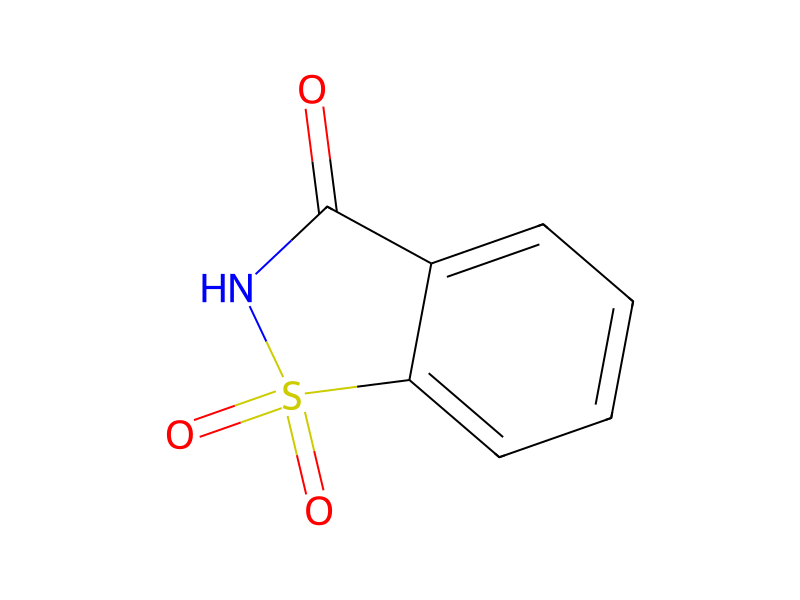

Product 1

Reagents, catalysts & solvents 1

Procedure
10 ml of hexamethyldisilazane (48 mmoles) were added to 2.4 g (40 mmoles) of urea and 73 mg (0.4 mmole) of saccharin in 15 ml of refluxing ethyl acetate and evolution of ammonia started immediately and was completed after refluxing for 20 minutes established by titration with 1 N HCl. The volatile material was evaporated under vacuum and the residue was vacuum dried to obtain 8.06 (99%) of N,N'-bis-(trimethylsilyl)-urea melting at 219°-222° C. Without the addition of saccharin as a catalyst, evolution of ammonia was slow and the reaction had to be carried out for at least 24 hours for completion.
Workup
- temperatureafter refluxing for 20 minutes
- customThe volatile material was evaporated under vacuum
- customdried
Sources & evidence
- ORD record
- ord-06b40b03c462478da3c070af2a5fa03a
- Source dataset
- uspto-grants-1983_08
- Patent number
- US04400509
Reaction notes
Loading…