Ethyl Acrylate → HCID 131724221, compound
Reaction equation

Br[C:2]1[CH:16]=[CH:15][CH:14]=[CH:13][C:3]=1[CH2:4][O:5][CH2:6][CH2:7][N:8]1[CH2:12][CH2:11][CH2:10][CH2:9]1.[C:17]([O:21][CH2:22][CH3:23])(=[O:20])[CH:18]=[CH2:19].C(=O)([O-])[O-].[K+].[K+]>[Br-].C([N+](CCCC)(CCCC)CCCC)CCC.C1(C)C=CC=CC=1.C([O-])(=O)C.[Pd+2].C([O-])(=O)C.C1(C)C=CC=CC=1P(C1C=CC=CC=1C)C1C=CC=CC=1C>[N:8]1([CH2:7][CH2:6][O:5][CH2:4][C:3]2[CH:13]=[CH:14][CH:15]=[CH:16][C:2]=2/[CH:19]=[CH:18]/[C:17]([O:21][CH2:22][CH3:23])=[O:20])[CH2:12][CH2:11][CH2:10][CH2:9]1Participants
Reactant 3



Product 1

Reagents, catalysts & solvents 4



Procedure
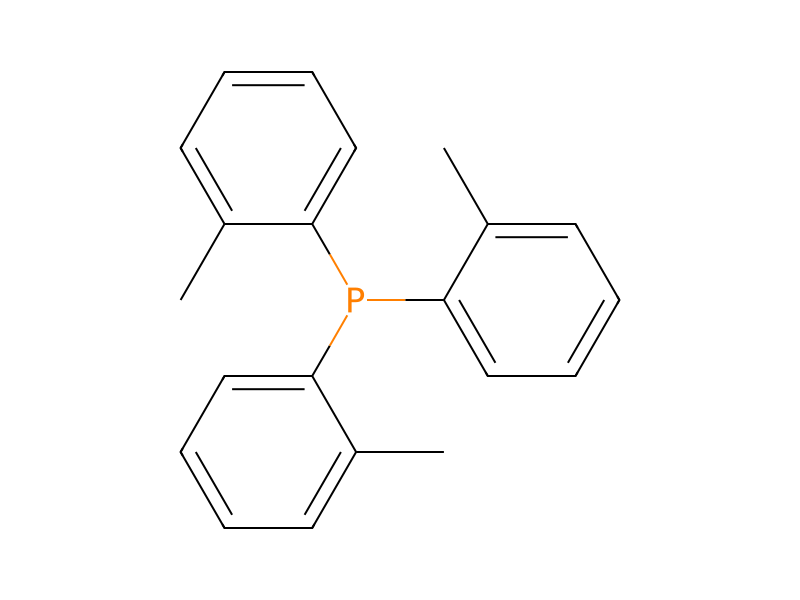
A mixture of 1-{2-[(2-bromobenzyl)oxy]ethyl}pyrrolidine (11.3 g, 39.7 mmol), ethyl acrylate (8.6 ml, 79.4 mmol), potassium carbonate (13.7 g, 99.3 mmol), tetra-n-butylammonium bromide (12.8 g, 39.7 mmol), tri-o-tolylphosphine (483 mg, 1.59 mmol) and palladium acetate (178 mg, 0.79 mmol) in toluene (40 ml) was stirred at room temperature. The resulting mixture was degassed under reduced pressure and replaced with nitrogen. The mixture was stirred at 100° C. under nitrogen atmosphere for 15 h. After cooling to room temperature, the catalyst was filtered through a pad of celite, and filter cake was washed with toluene then ethyl acetate. The filtrate was evaporated in vacuo and the residue was dissolved with ethyl acetate-hexane (1:1)(200 ml)-2N HCl aq. (50 ml). The aqueous layer was separated and the organic layer was extracted with 2N HCl aq. (40 ml). The combined aqueous layers were basified to pH 9-10 with 2N NaOH aq. at 0° C. and extracted with ethyl acetate-hexane (1:1)(×3). The combined solution was washed with water, brine and dried over MgSO4. After filtration, the filtrate was concentrated in vacuo to give crude product (dark orange oil), which was purified by column chromatography on NH2 silica gel (500 g) (hexane/ethyl acetate 5/1-3/1 as eluent) to afford the titled compound (8.27 g, 69.0%) as a yellow oil.
Workup
- customThe resulting mixture was degassed under reduced pressure
- stirringThe mixture was stirred at 100° C. under nitrogen atmosphere for 15 h
- temperatureAfter cooling to room temperature
- filtrationthe catalyst was filtered through a pad of celite
- filtrationfilter cake
- washwas washed with toluene
- customThe filtrate was evaporated in vacuo
- dissolutionthe residue was dissolved with ethyl acetate-hexane (1:1)(200 ml)-2N HCl aq. (50 ml)
- customThe aqueous layer was separated
- extractionthe organic layer was extracted with 2N HCl aq. (40 ml)
- customwere basified to pH 9-10 with 2N NaOH aq. at 0° C.
- extractionextracted with ethyl acetate-hexane (1:1)(×3)
- washThe combined solution was washed with water, brine
- dry with materialdried over MgSO4
- filtrationAfter filtration
- concentrationthe filtrate was concentrated in vacuo
- customto give crude product (dark orange oil), which
- customwas purified by column chromatography on NH2 silica gel (500 g) (hexane/ethyl acetate 5/1-3/1 as eluent)
Sources & evidence
- ORD record
- ord-6f75fd9c09f94c0492f5e1a168783263
- Source dataset
- uspto-grants-2003_11
- Patent number
- US06653313B2
Reaction notes
Loading…