Isatin → 1-(4-Methoxyphenyl)indoline-2,3-dione
Reaction equation

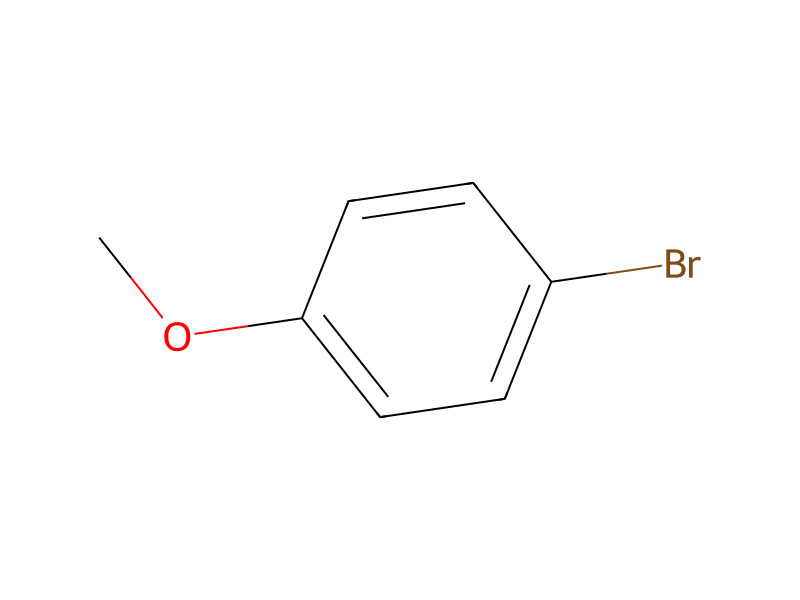
[NH:1]1[C:11]2[C:6](=[CH:7][CH:8]=[CH:9][CH:10]=2)[C:4](=[O:5])[C:2]1=[O:3].[H-].[Na+].Br[C:15]1[CH:20]=[CH:19][C:18]([O:21][CH3:22])=[CH:17][CH:16]=1>CN(C=O)C.C(OCC)(=O)C.[Cu](I)I>[CH3:22][O:21][C:18]1[CH:19]=[CH:20][C:15]([N:1]2[C:11]3[C:6](=[CH:7][CH:8]=[CH:9][CH:10]=3)[C:4](=[O:5])[C:2]2=[O:3])=[CH:16][CH:17]=1Participants
7






Conditions
- Temperature
- 0 °C
Procedure
A solution of isatin (2.5 g, 0.017 mol) in anhydrous DMF (50 mL) was cooled to 0° C. in an ice-bath and treated with sodium hydride (0.5 g, 1.2 equivalents). A purple solution was formed which was stirred at 0° C. for 30 minutes and then warmed to room temperature. To this solution was added 4-bromoanisole (2.13 mL, 1 equivalent) followed by copper iodide (6.46 g, 2 equivalents). The reaction was heated in an oil-bath at 145° C. for 6-7 hours. The reaction was then cooled to room temperature, diluted with an equal volume of ethyl acetate and filtered. The filtrate was evaporated to dryness. The crude product, which was obtained as a dark brown solid was used as such for the next reaction.
Workup
- customA purple solution was formed which
- temperaturewarmed to room temperature
- temperatureThe reaction was heated in an oil-bath at 145° C. for 6-7 hours
- temperatureThe reaction was then cooled to room temperature
- filtrationfiltered
- customThe filtrate was evaporated to dryness
Sources & evidence
- ORD record
- ord-658a8f8643c94eacbbd5e4d286e934a1
- Source dataset
- uspto-grants-2010_08
- Patent number
- US07785904B2
Reaction notes
Loading…