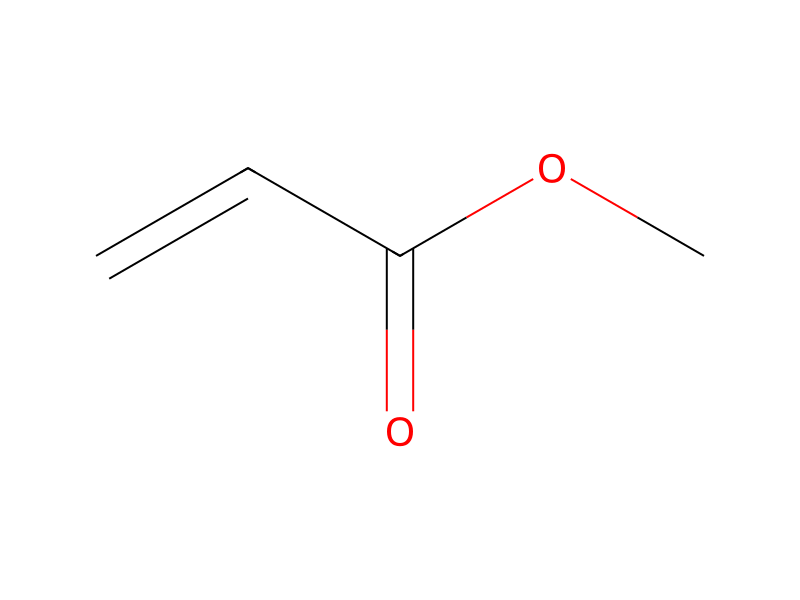
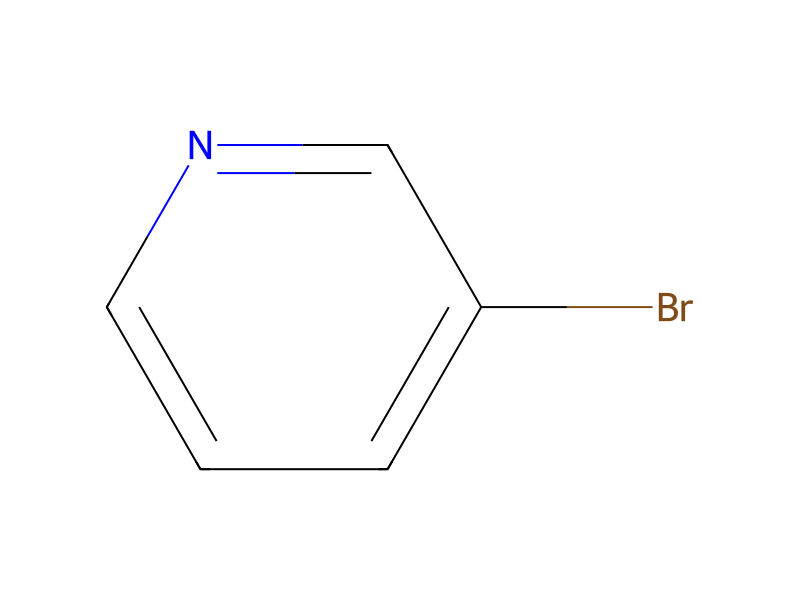
Methyl Acrylate → Methyl 3-(pyridin-3-yl)acrylate
Reaction equation

Br[C:2]1[CH:3]=[N:4][CH:5]=[CH:6][CH:7]=1.C1(C)C=CC=CC=1P(C1C=CC=CC=1C)C1C=CC=CC=1C.[C:30]([O:34][CH3:35])(=[O:33])[CH:31]=[CH2:32].C(N(CC)CC)C>C([O-])(=O)C.[Pd+2].C([O-])(=O)C.CC#N>[N:4]1[CH:5]=[CH:6][CH:7]=[C:2]([CH:32]=[CH:31][C:30]([O:34][CH3:35])=[O:33])[CH:3]=1Participants
7





Conditions
- Temperature
- 100 °C
Procedure
A mixture of 3-bromopyridine (4.82 mL, 0.05 mol), palladium acetate (0.22 g, 0.02 equiv.), tri-(o-tolyl)-phosphine (0.61 g, 0.04 equiv.), methyl acrylate (9.01 mL, 2 equiv.), triethylamine (12.5 mL) and CH3CN (25 mL) was sealed in a bomb and heated to 100° C. for 3.5 hours. The mixture was cooled in an ice-bath, the bomb was vented and the reaction mixture was concentrated in vacuo. The residue was extracted with 0.5N HCl/Et2O (3×), the organic layer was backwashed with additional 0.5N HCl and the aqueous layers were combined, basified with saturated NaHCO3 and extracted with ether. The ether layer was washed with brine, dried over Na2SO4 and concentrated in vacuo to afford 7.89 g (97%) of methyl 3-(3-pyridyl)-2-propenoate.
Workup
- customwas sealed in a bomb
- temperatureThe mixture was cooled in an ice-bath
- concentrationthe reaction mixture was concentrated in vacuo
- extractionThe residue was extracted with 0.5N HCl/Et2O (3×)
- extractionextracted with ether
- washThe ether layer was washed with brine
- dry with materialdried over Na2SO4
- concentrationconcentrated in vacuo
Sources & evidence
- ORD record
- ord-b17f5bb4747e4986addc1586e8a81e76
- Source dataset
- uspto-grants-1997_04
- Patent number
- US05624922
Reaction notes
Loading…