2,6-Lutidine → 1-(3-Bromopropyl)-4-nitrobenzene
Reaction equation

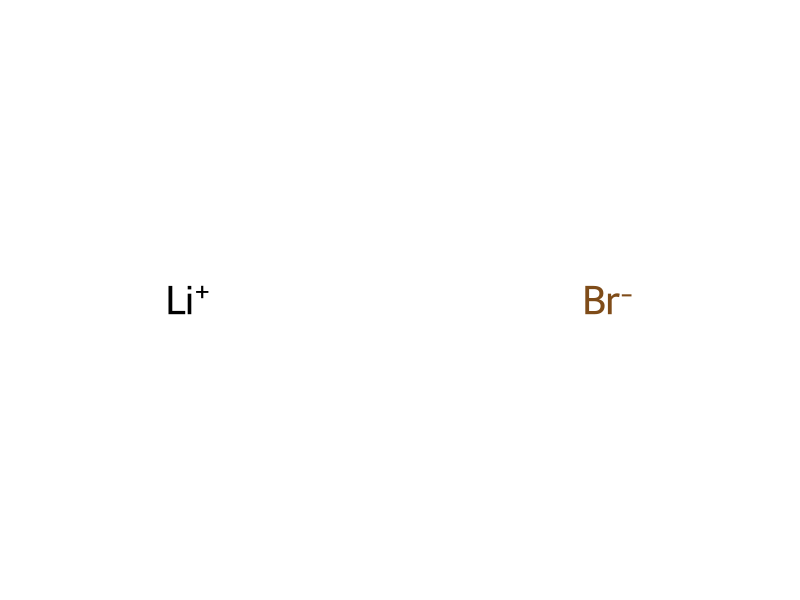
[N+:1]([C:4]1[CH:9]=[CH:8][C:7]([CH2:10][CH2:11][CH2:12]O)=[CH:6][CH:5]=1)([O-:3])=[O:2].CC1C=CC=C(C)N=1.CS(OS(C)(=O)=O)(=O)=O.[Br-:31].[Li+]>C1COCC1.C(OCC)(=O)C.O>[Br:31][CH2:12][CH2:11][CH2:10][C:7]1[CH:8]=[CH:9][C:4]([N+:1]([O-:3])=[O:2])=[CH:5][CH:6]=1Participants
8
Reactant 4



Product 1

Reagents, catalysts & solvents 3



Conditions
- Temperature
- 50 °C
Procedure
3-(4-nitrophenyl)propanol (5.0 g) was dissolved in THF (100 ml), 2,6-dimethylpyridine (5.1 ml) and methanesulfonic acid anhydride (6.7 g) were added to the mixture, and the mixture was stirred for 12 hours at 50° C. Lithium bromide (3.6 g) was added to the mixture, and the mixture was stirred for 8 hours at 60° C. After cooling to room temperature, the reaction solution was added to water, and dissolved in ethyl acetate. The organic layer was washed with saturated brine, and dried over magnesium sulfate. The solvent was removed under reduced pressure, and the obtained residue was purified by silica gel column chromatography, to give 1-(3-bromopropyl)-4-nitrobenzene (3.1 g).
Workup
- stirringthe mixture was stirred for 8 hours at 60° C
- temperatureAfter cooling to room temperature
- washThe organic layer was washed with saturated brine
- dry with materialdried over magnesium sulfate
- customThe solvent was removed under reduced pressure
- customthe obtained residue was purified by silica gel column chromatography
Sources & evidence
- ORD record
- ord-46b55b5cb4174dbb97a483d2afe271d2
- Source dataset
- uspto-grants-2007_08
- Patent number
- US07262185B2
Reaction notes
Loading…