Hydrochloric Acid → HCID 12993888, compound
Reaction equation

[C:1]([OH:6])(=O)C(C)=O.C1N=CN(C(N2C=[N:17][CH:16]=[CH:15]2)=O)C=1.[ClH:19].[Cl:20][C:21]1[CH:26]=[CH:25][C:24]([NH:27][NH2:28])=[CH:23][CH:22]=1.C([N:31]([CH2:34][CH3:35])CC)C.Cl.O1[CH2:41][CH2:40][CH2:39][CH2:38]1>>[Cl:20][C:21]1[CH:26]=[CH:25][C:24]([NH:27][NH:28][C:1](=[O:6])/[C:34](=[N:31]/[NH:17][C:16]2[CH:15]=[CH:38][C:39]([Cl:19])=[CH:40][CH:41]=2)/[CH3:35])=[CH:23][CH:22]=1Participants

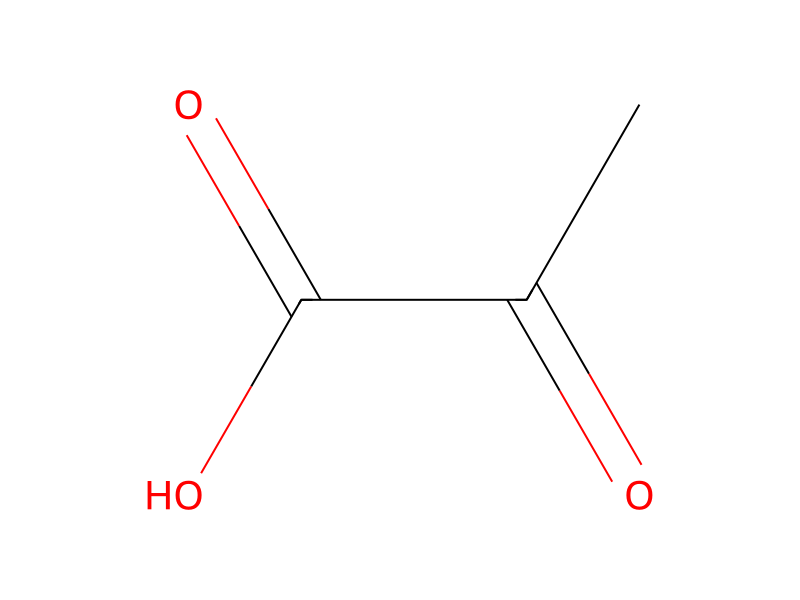




Procedure
Pyruvic acid (0.88 g, 10.0 mmol) was dissolved in tetrahydrofuran (20 ml), and carbodiimidazole (1.62 g, 10 mmol) was added under colling with ice. After stirring at room temperature for 1 hour, 4-chlorophenyl hydrazine hydrochloric acid salt (3.94 g, 22.0 mmol) and triethylamine (2.53 g, 25 mmol) were added thereto. 6 hours later, 1N hydrochloric acid was added, and the organic phase was extracted with ethyl acetate, and washed with a saturated sodium bicarbonate water and a saturated brine, dried on sodium sulfate and then filtered. The residue obtained by concentrating the resulting filtrate was purified with a silica gel chromatography to obtain (E)-N′-(4-chlorophenyl)-2-(4-chlorophenyl hydrazono) propionic acid hydrazide (Compound No. 104) (0.63 g, 1.9 mmol, 14%) and (Z)-N′-(4-chlorophenyl)-2-(4-chlorophenyl hydrazono) propionic acid hydrazide (Compound No. 105) (0.06 g, 0.44 mmol, 4%).
Workup
- extractionthe organic phase was extracted with ethyl acetate
- washwashed with a saturated sodium bicarbonate water
- dry with materiala saturated brine, dried on sodium sulfate
- filtrationfiltered
- customThe residue obtained
- concentrationby concentrating the resulting filtrate
- customwas purified with a silica gel chromatography
Sources & evidence
- ORD record
- ord-15ec9dbb87cd4cfb84157cdfeed4e943
- Source dataset
- uspto-grants-2006_12
- Patent number
- US07153815B2
Reaction notes
Loading…