Hydrochloric Acid → 2-(Isoquinolin-4-yl)acetic acid hydrochloride
Reaction equation

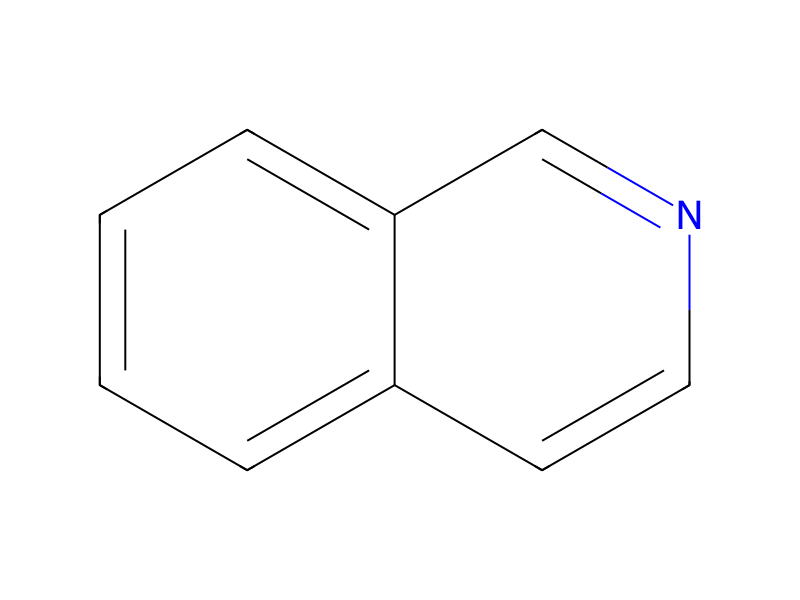
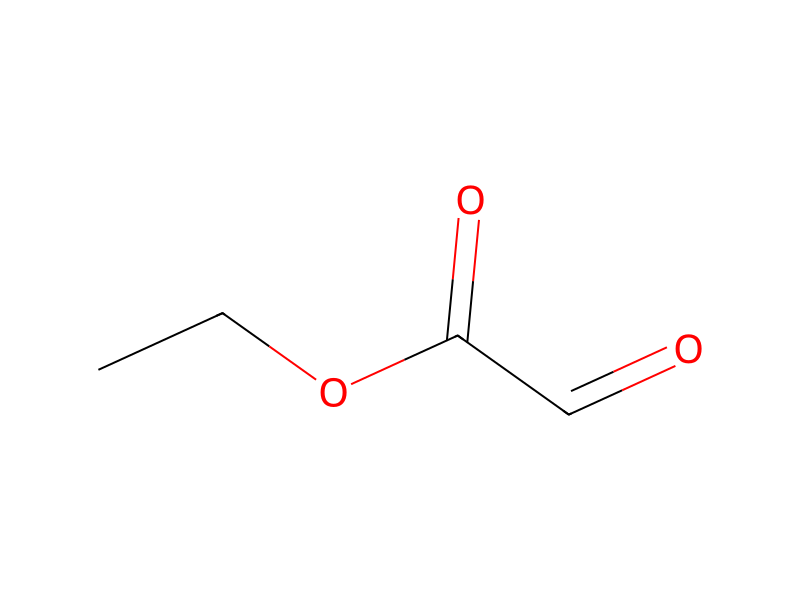
C([BH-](CC)CC)C.[Na+].[CH:9]1[C:18]2[C:13](=[CH:14][CH:15]=[CH:16][CH:17]=2)[CH:12]=[CH:11][N:10]=1.[C:19]([O:23]CC)(=[O:22])[CH:20]=O.[OH-].[Na+].OO.[ClH:30]>C1COCC1.C1(C)C=CC=CC=1>[ClH:30].[CH:9]1[C:18]2[C:13](=[CH:14][CH:15]=[CH:16][CH:17]=2)[C:12]([CH2:20][C:19]([OH:23])=[O:22])=[CH:11][N:10]=1Participants
Reactant 6




Product 1

Reagents, catalysts & solvents 2


Procedure
A solution of sodium triethylborohydride (1M THF, 12.7 ml, 12.7 mmol) is added dropwise to a solution of isoquinoline (1.64 g, 12.7 mmol) in THF (25 ml). The reaction is stirred at room temperature for 1 hour, prior to dropwise addition of a solution of ethyl glyoxalate (1.43 g, 13.9 mmol) in toluene (previously heated at 110° C. for 1.5 hours). After a further 4 hours at room temperature, the reaction is cooled to 0° C. and sodium hydroxide (0.5M aqueous solution, 25.4 ml) followed by hydrogen peroxide (30% aqueous solution, 12.7 ml) is added, followed by stirring for 2 hours. The reaction is acidified with 1N HCl, washed with ethyl acetate three times, the aqueous phase is reduced in volume by evaporation and refrigerated overnight. The resultant precipitate is collected by filtration and dried to afford isoquinolin4-yl-acetic acid hydrochloride salt, MH+ 188.
Workup
- temperaturepreviously heated at 110° C. for 1.5 hours)
- waitAfter a further 4 hours at room temperature
- temperaturethe reaction is cooled to 0° C.
- additionis added
- stirringby stirring for 2 hours
- washwashed with ethyl acetate three times
- customthe aqueous phase is reduced in volume by evaporation and refrigerated overnight
- filtrationThe resultant precipitate is collected by filtration
- customdried
Sources & evidence
- ORD record
- ord-d6810b3509d74a6c856a1acfc850c3a5
- Source dataset
- uspto-grants-2005_07
- Patent number
- US06919337B2
Reaction notes
Loading…