Hydrochloric Acid → Methyl 2-oxotetrahydrofuran-3-carboxylate
Reaction equation

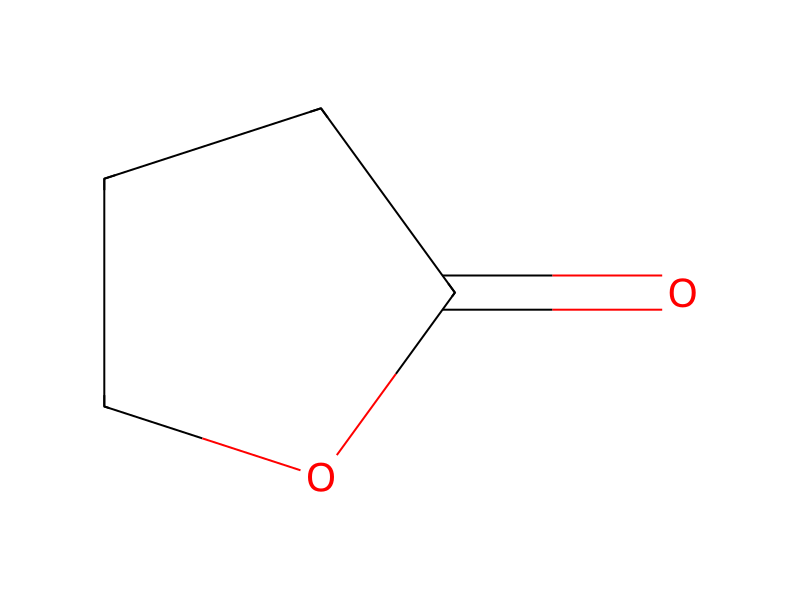
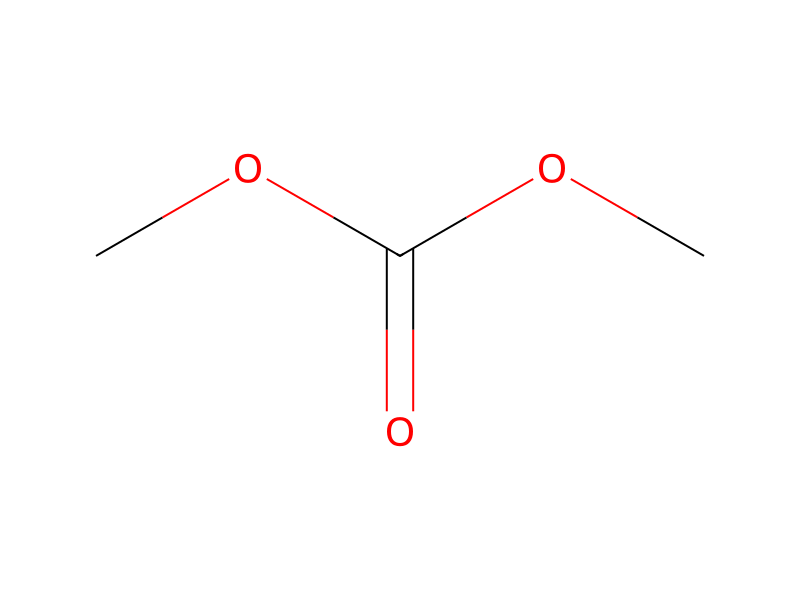
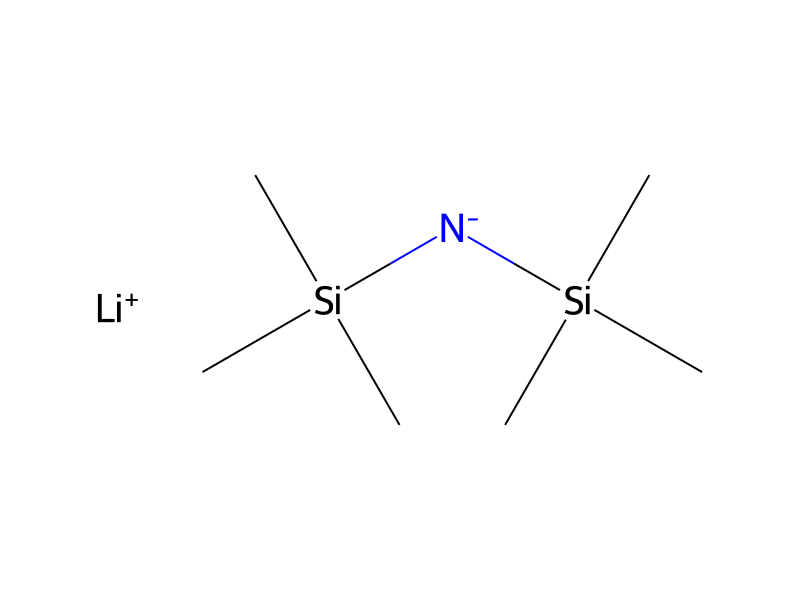
C[Si](C)(C)[N-][Si](C)(C)C.[Li+].C[Si](C)(C)N[Si](C)(C)C.C([Li])CCC.[C:25]1(=[O:30])[O:29][CH2:28][CH2:27][CH2:26]1.[C:31](=O)([O:34]C)[O:32][CH3:33].Cl>O1CCCC1>[CH3:33][O:32][C:31]([CH:26]1[CH2:27][CH2:28][O:29][C:25]1=[O:30])=[O:34]Participants
Reactant 6



Product 1

Reagents, catalysts & solvents 1

Procedure
To a tetrahydrofuran solution (150 ml) of lithium hexamethyldisilazide prepared at −78° C. under an argon atmosphere from hexamethyl disilazane (55.4 ml, 262 mmol) and normal butyl lithium (2.62 M hexane solution, 100 ml, 262 mmol), a tetrahydrofuran solution (60 ml) of gamma butyrolactone (9.84 ml, 128 mmol) was added dropwise at −78° C. 10 minutes later, dimethyl carbonate (11.3 ml, 134 mmol) was added, followed by further stirring at room temperature for 10 hours. The reaction mixture was poured onto a mixture of concentrated hydrochloric acid (44 ml) and ice (500 g), followed by extraction twice with ethyl acetate. The extract was washed with brine, and subsequently dried over sodium sulfate. After filtering off the drying agent, the filtrate was concentrated under reduced pressure, to obtain the desired compound (pale brown oil, 15.1 g, 82%).
Workup
- extractionfollowed by extraction twice with ethyl acetate
- washThe extract was washed with brine
- dry with materialsubsequently dried over sodium sulfate
- filtrationAfter filtering off the drying agent
- concentrationthe filtrate was concentrated under reduced pressure
Sources & evidence
- ORD record
- ord-30fbfa105f314ccf8c276c086959408e
- Source dataset
- uspto-grants-2011_09
- Patent number
- US08022205B2
Reaction notes
Loading…