HomeMCPWorkbenchSkills
HomeWorkbenchNotificationsMe
llms.txt · MCP GuidePrivacy Policy · Terms of Service · Supportv1.8.0
  1. Home
  2. /Reaction

Ethyl Acrylate → HCID 68105235, compound

HRID 1026550
Notes
Print preview

Reaction equation

HRID 1026550 reaction equation
Cl[C:2]1[C:7]([NH2:8])=[CH:6][C:5]([Cl:9])=[CH:4][N:3]=1.C1(P(C2C=CC=CC=2)CCCCP(C2C=CC=CC=2)C2C=CC=CC=2)C=CC=CC=1.[C:40]([O:44][CH2:45][CH3:46])(=[O:43])[CH:41]=[CH2:42].C(N(C(C)C)CC)(C)C>[Br-].C([N+](CCCC)(CCCC)CCCC)CCC.C([O-])(=O)C.[Pd+2].C([O-])(=O)C.O.C(OCC)(=O)C.CN(C)C=O>[NH2:8][C:7]1[C:2](/[CH:42]=[CH:41]/[C:40]([O:44][CH2:45][CH3:46])=[O:43])=[N:3][CH:4]=[C:5]([Cl:9])[CH:6]=1
ParticipantsProcedureWorkupSources & evidenceReaction notes

Participants

10

Reactant 4

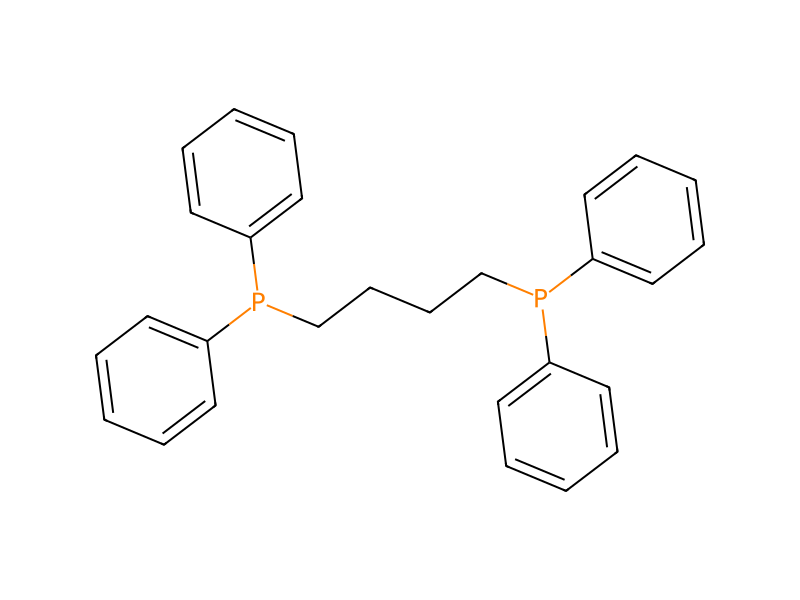
HCID 8821Ethyl AcrylateHCID 81531DiisopropylethylamineHCID 821241,4-Bis(diphenylphosphino)butaneHCID 27999993-Amino-2,5-dichloropyridine

Product 1

HCID 68105235HCID 68105235, compound

Reagents, catalysts & solvents 5

HCID 74236
Tetrabutylammonium Bromide
Catalyst
HCID 167845palladium(II) acetateCatalyst
HCID 962WaterSolvent
HCID 6228DimethylformamideSolvent
HCID 8857Ethyl AcetateSolvent

Procedure

A N,N-dimethylformamide suspension (406 ml) of 2,5-dichloropyridine-3-amine (81.2 g), palladium acetate (11.2 g), 1,4-bis(diphenylphosphino)butane (42.5 g), ethyl acrylate (109 ml), diisopropylethylamine (174 ml) and tetrabutylammonium bromide (161 g) was stirred at 140° C. for 30 hours. After the reaction solution was brought back to room temperature, ethyl acetate and water were added and the solution was separated, and the aqueous layer was extracted with ethyl acetate. The combined organic layer was dried over anhydrous sodium sulfate, and concentrated under reduced pressure. To the residue was added a 50% ethyl acetate-hexane mixed solvent, followed by stirring. The insolubles were filtered off, and washed with ethyl acetate, and the filtrate was concentrated under reduced pressure. The residue was purified by silica gel column chromatography to afford ethyl (2E)-3-(3-amino-5-chloropyridin-2-yl)acrylate (50.6 g).

Workup

  1. customwas brought back to room temperature
  2. customthe solution was separated
  3. extractionthe aqueous layer was extracted with ethyl acetate
  4. dry with materialThe combined organic layer was dried over anhydrous sodium sulfate
  5. concentrationconcentrated under reduced pressure
  6. additionTo the residue was added a 50% ethyl acetate-hexane mixed solvent
  7. filtrationThe insolubles were filtered off
  8. washwashed with ethyl acetate
  9. concentrationthe filtrate was concentrated under reduced pressure
  10. customThe residue was purified by silica gel column chromatography

Sources & evidence

ORD record
ord-9d5f5b49df52407db5e4bca0320c6087
Source dataset
uspto-grants-2014_05
DOI
10.6084/m9.figshare.5104873.v1
Patent number
US08729095B2

Reaction notes

Loading…

On this pageParticipantsProcedureWorkupSources & evidenceReaction notes