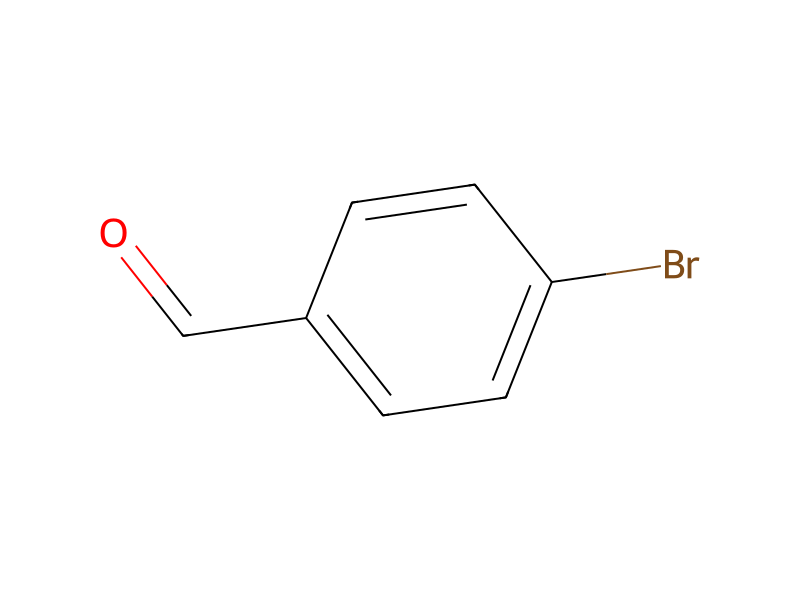
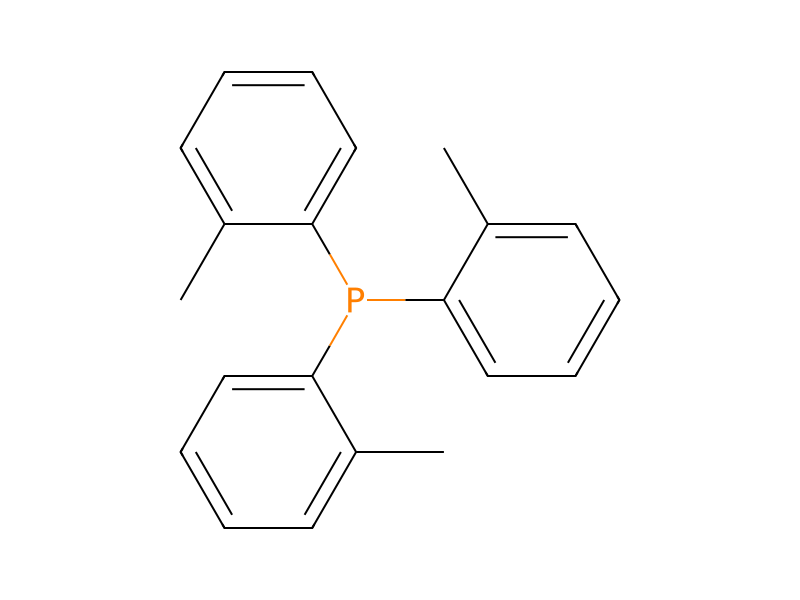
4-Bromobenzaldehyde (30 g, 162.15 mmol) and methyl acrylate (20.94 g, 243.22 mmol) were taken up in thoroughly degassed DMA (300 nil) and treated with tri-o-tolylphosphine (4.94 g. 16.21 mmol), palladium(II) acetate (1.820 g, 8.11 mmol) and triethylamine (45.2 ml, 324.29 mmol) and heated to 110° C. for 16 hours. The reaction appeared complete after this time. The reaction mixture was poured into water (4 L) and the resulting precipitate was filtered and dried. The solid was chromatographed on silica, eluting with 100% heptane to 30% EtOAc in heptane. Relevant fractions were combined and evaporated to dryness to afford a yellow solid product which was triturated with heptane, filtered and washed with cold heptane. The solid was dried to afford (E)-methyl 3-(4-formylphenyl)acrylate (25.6 g. 83%) as a yellow crystalline product. 1H NMR (400 MHz, DMSO, 30° C.) δ 3.75 (3H, s), 6.79 (1H, d), 7.72 (1H, d), 7.93 (4H, s), 10.03 (1H, s). No mass ion observed in LCMS.