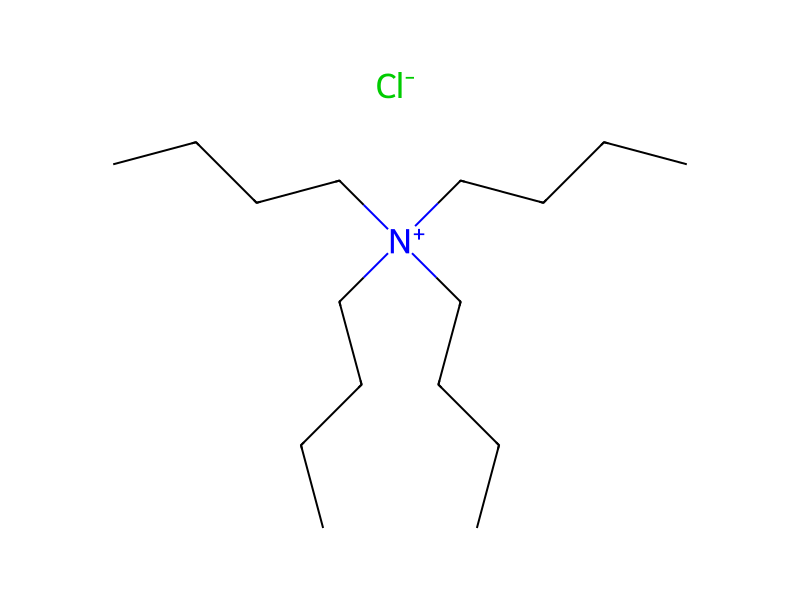
Br[C:2]1[CH:3]=[N:4][C:5]([C:8]2[CH:9]=[C:10]([CH2:14][OH:15])[CH:11]=[CH:12][CH:13]=2)=[N:6][CH:7]=1.[C:16]([O:20][CH3:21])(=[O:19])[CH:17]=[CH2:18].C1(P(C2C=CC=CC=2)C2C=CC=CC=2)C=CC=CC=1.C([O-])(=O)C.[K+]>CN(C=O)C.[Cl-].C([N+](CCCC)(CCCC)CCCC)CCC.C([O-])(=O)C.[Pd+2].C([O-])(=O)C.O>[OH:15][CH2:14][C:10]1[CH:9]=[C:8]([C:5]2[N:4]=[CH:3][C:2](/[CH:18]=[CH:17]/[C:16]([O:20][CH3:21])=[O:19])=[CH:7][N:6]=2)[CH:13]=[CH:12][CH:11]=1100 mg (0.38 mmol) of [3-(5-bromopyrimidin-2-yl)phenyl]methanol and 51 μl (0.56 mmol) of methyl acrylate are suspended in 2 ml of DMF, and 20 mg (0.075 mmol) of triphenylphosphine, 222 mg (2.26 mmol) of potassium acetate and 157 mg (0.57 mmol) of tetra-n-butylammonium chloride are added. The reaction mixture is degassed, flushed with argon, and 17 mg (0.075 mmol) of palladium(II) acetate are added under an argon atmosphere. The mixture is heated at 80° C. for 2 h. After cooling, water is added, during which a pale-grey precipitate forms. This is filtered off with suction, washed with water and dried in vacuo. The product is reacted further without further purification; yield: 111 mg; HPLC: Rt.=2.42 min (method A); LC-MS: 271 (M+H).