Reaction equation

C[Si]([N-][Si](C)(C)C)(C)C.[Na+].C[Si](C)(C)N[Si](C)(C)C.[NH2-:20].[Na+].[F:22][C:23]1[CH:30]=[CH:29][C:26]([C:27]#[N:28])=[CH:25][CH:24]=1.[NH:31]1[CH:35]=[N:34][C:33]([CH2:36][C:37]2[CH:44]=[CH:43][C:40]([C:41]#[N:42])=[CH:39][CH:38]=2)=[N:32]1>O1CCCC1.CC(N(C)C)=O.CN(C)C=O>[NH:31]1[CH:35]=[N:34][C:33]([CH2:36][C:37]2[CH:44]=[CH:43][C:40]([C:41]#[N:42])=[CH:39][CH:38]=2)=[N:32]1.[F:22][C:23]1[CH:30]=[CH:29][C:26]([C:27]#[N:28])=[CH:25][CH:24]=1.[CH:25]1[C:26]([C:27]#[N:28])=[CH:29][CH:30]=[C:23]([CH:41]([N:42]2[N:32]=[CH:33][N:34]=[CH:35]2)[C:40]2[CH:43]=[CH:44][C:37]([C:36]#[N:20])=[CH:38][CH:39]=2)[CH:24]=1Participants
Reactant 5



Product 3

Reagents, catalysts & solvents 3



Procedure
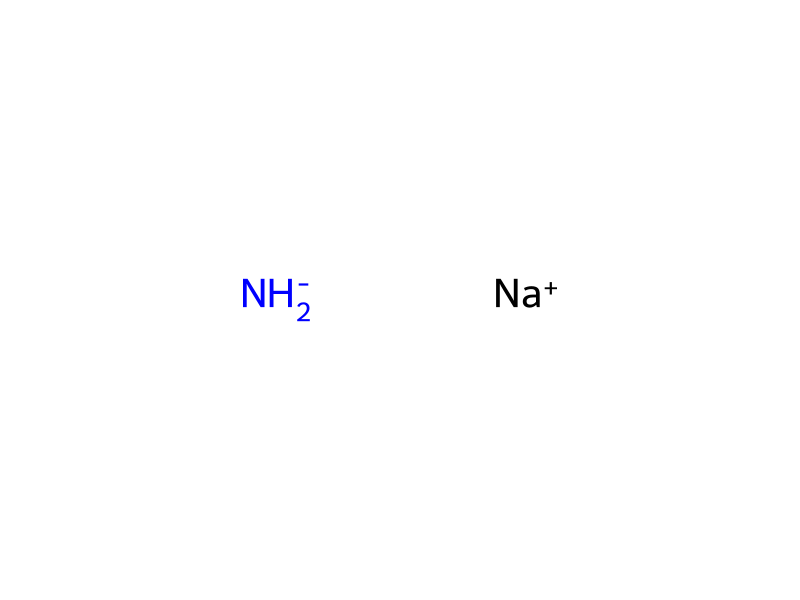
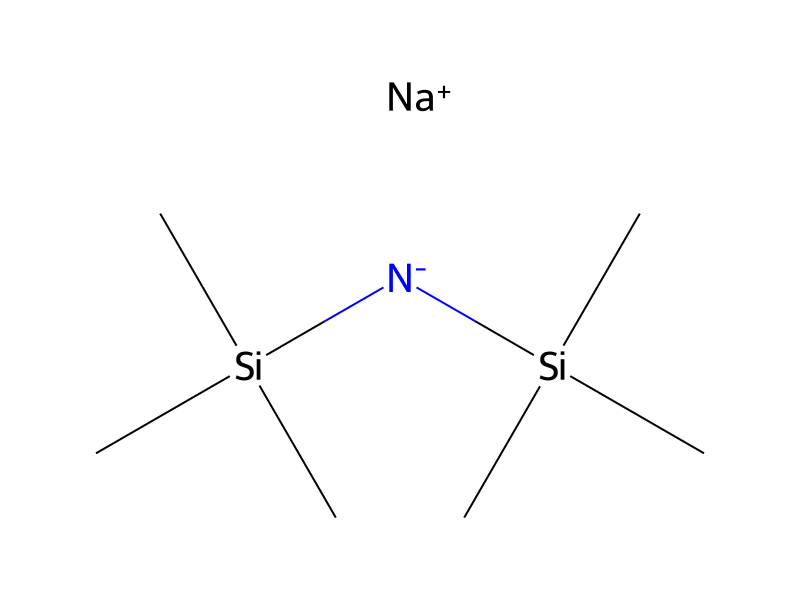
Most preferably, the base is sodium bis(trimethylsilyl)amide, which may be prepared from hexamethyldisilazane and sodium amide, or purchased as a 40 percent solution in tetrahydrofuran. To avoid reaction between the 4-fluorobenzonitrile V and the sodium bis(trimethylsilyl)amide, the base is preferably added gradually to the mixture of synthons (all known procedures first generate the anion of intermediate III prior to bringing it into contact with 4-fluorobenzonitrile V). Approximately equimolar amounts of the intermediate III and 4-fluorobenzonitrile V in dimethylacetamide, dimethylformamide, or tetrahydrofuran provide a yield of about 85 percent by weight of pure letrozole after isolation and purification. As no stoichiometric excess of 4-fluorobenzonitrile V is required, any side-reactions with the base are believed to be negligible.
Sources & evidence
- ORD record
- ord-af800d977dea40cdaf93e3d2be94c129
- Source dataset
- uspto-grants-2010_04
- Patent number
- US07705159B2
Linked notes
Loading…