Sodium Iodide → Ethyl methoxycinnamate
Reaction equation

Cl[C:2]1[CH:7]=[CH:6][C:5]([O:8][CH3:9])=[CH:4][CH:3]=1.[Na+].[I-].CC1C=CC=CC=1P(C1C=CC=CC=1C)C1C=CC=CC=1C.[C:34]([O:38][CH2:39][CH3:40])(=[O:37])[CH:35]=[CH2:36].CCN(CC)CC>C1C=CC(/C=C/C(/C=C/C2C=CC=CC=2)=O)=CC=1.C1C=CC(/C=C/C(/C=C/C2C=CC=CC=2)=O)=CC=1.[Pd].CCOCC.CCCCCC>[CH3:40][CH2:39][O:38][C:34](/[CH:35]=[CH:36]/[C:2]1[CH:7]=[CH:6][C:5]([O:8][CH3:9])=[CH:4][CH:3]=1)=[O:37]Participants
Reactant 5



Product 1

Reagents, catalysts & solvents 3


Procedure
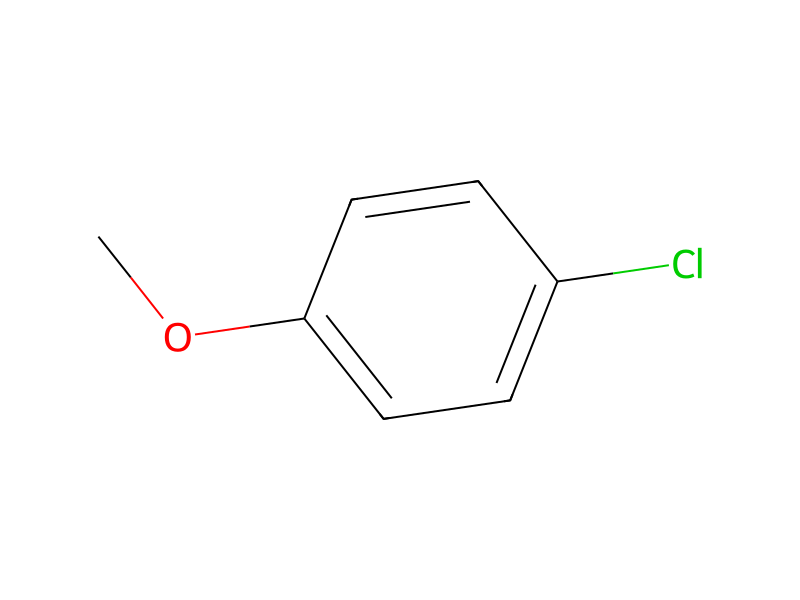
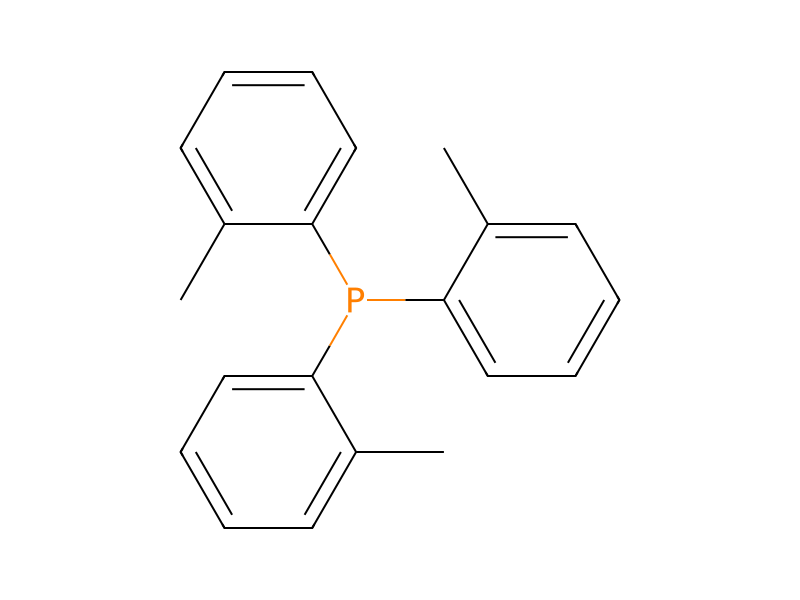
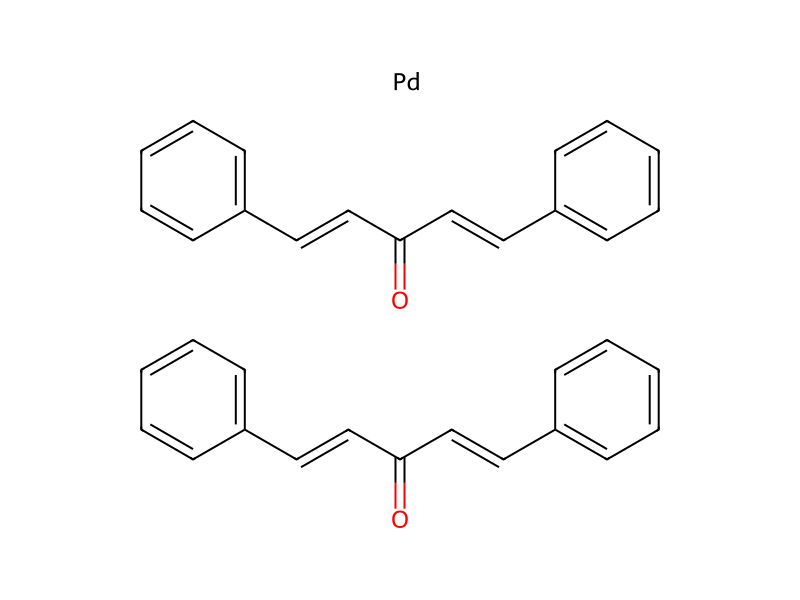
4-Chloroanisole (1430 mg, 10 mmoles, 1229 ml), NiBr2 (438 mg, 2 mmoles), NaI (1650 mg, 11 mmoles) and P(o-tol)3 (1216 mg, 4 mmoles) were combined according to Method B and treated with ethyl acrylate (1100 mg, 11 mmoles, 1.130 ml), Et3N (1111 mg, 11 mmoles, 1.530 ml), and Pd(dba)2 (29 mg, 0.05 mmoles). Isolation by radial chromatography as described in Example 2 (Si gel, 5:1 volume mixture of hexane and Et2O for the first fraction, 1:1 volume mixture of hexane and Et2O for the second) gave 1519 mg (74 mole % yield) of 4-methoxy ethyl cinnamate as a brown oil. The results of NMR (CDCl3) analysis were: δ1.35 (t, 3H,--COOCH2CH3), 3.84 (s, 3H, OCH3), 4.26 (q, 2H, COOCH2CH3), 6.33 (d, 1H, PhCH=CH--), 6.90 (d, 2H, aromatic), 7.49 (d, 2H, aromatic), 7.65 (d, 1H, PhCH=CH--R), indicating the desired product.
Sources & evidence
- ORD record
- ord-e7b996d2d16d44039ca544799918496e
- Source dataset
- uspto-grants-1989_03
- Patent number
- US04814489
Reaction notes
Loading…