Hydrogen Bromide → 2-Propenoic acid, 3-phenyl-, methyl ester
Reaction equation

[C:1]1(P([C:14]2[CH:19]=[CH:18][CH:17]=[CH:16][CH:15]=2)C2C=CC=CC=2)[CH:6]=[CH:5][CH:4]=[CH:3][CH:2]=1.Br.[CH2:21]([OH:24])[CH:22]=[CH2:23].[C:25]([O:29][CH3:30])(=[O:28])[CH:26]=[CH2:27]>C([O-])(=O)C.[Pd+2].C([O-])(=O)C>[C:25]([O:29][CH3:30])(=[O:28])/[CH:26]=[CH:27]/[CH:2]=[CH:1]/[CH3:6].[C:14]([O:24][CH2:21][CH:22]=[CH2:23])(=[O:28])/[CH:19]=[CH:18]/[CH:17]=[CH:16]/[CH3:15].[C:25]([O:29][CH3:30])(=[O:28])[CH:26]=[CH:27][C:1]1[CH:6]=[CH:5][CH:4]=[CH:3][CH:2]=1Participants
8

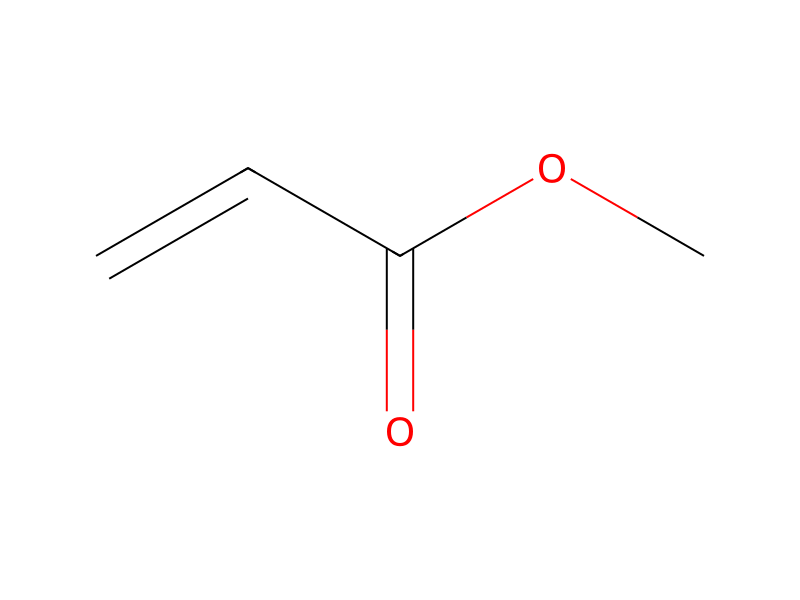





Conditions
- Temperature
- 135 °C
Procedure
Quantities of 5 millimoles palladium acetate, 20 millimoles triphenyl phosphine, 5 millimoles of hydrogen bromide, 600 millimoles allyl alcohol, and 600 millimoles methyl acrylate are introduced into a reaction chamber and heated to 135°C for 20 hours. The final reaction solution produced 15% by weight methyl sorbate, allyl sorbate, and traces of methyl cinnamate.
Workup
- customThe final reaction solution
Sources & evidence
- ORD record
- ord-b7841dbc5b3f4c0d944dbee568bac915
- Source dataset
- uspto-grants-1976_06
- Patent number
- US03966798
Reaction notes
Loading…