Dicyclohexylcarbodiimide → Methyl 6-chloropyridine-3-carboxylate
Reaction equation

[Cl:1][C:2]1[CH:10]=[CH:9][C:5]([C:6]([OH:8])=[O:7])=[CH:4][N:3]=1.Cl[C:12]([O-])=O.O=S(Cl)Cl.C1(OC(Cl)=O)C=CC=CC=1.ClC(OC1C=CC([N+]([O-])=O)=CC=1)=O.N=C=N.C1N=CN(C(N2C=NC=C2)=O)C=1.C1CCC(N=C=NC2CCCCC2)CC1.C1C=CC2N(O)N=NC=2C=1.ON1C(=O)CCC1=O>CO.CN1C(=O)CCC1.CN(C=O)C.ClCCCl.C(Cl)Cl>[CH3:12][O:7][C:6](=[O:8])[C:5]1[CH:9]=[CH:10][C:2]([Cl:1])=[N:3][CH:4]=1Participants
16
Reactant 10
 HCID 10868Dicyclohexylcarbodiimide
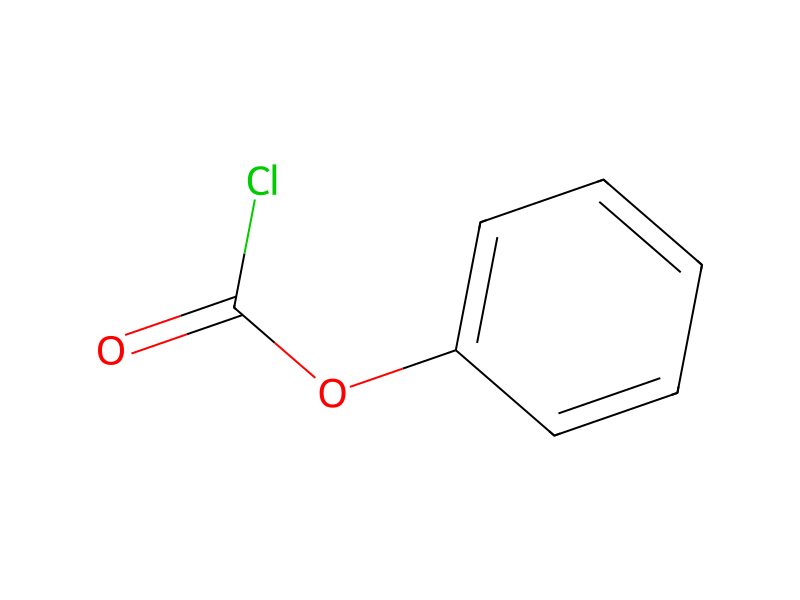 HCID 15891Phenyl chloroformate
 HCID 24386Thionyl Chloride
 HCID 682631,1'-Carbonyldiimidazole
 HCID 757711-Hydroxybenzotriazole
 HCID 792226-Chloronicotinic acid
 HCID 80170N-Hydroxysuccinimide
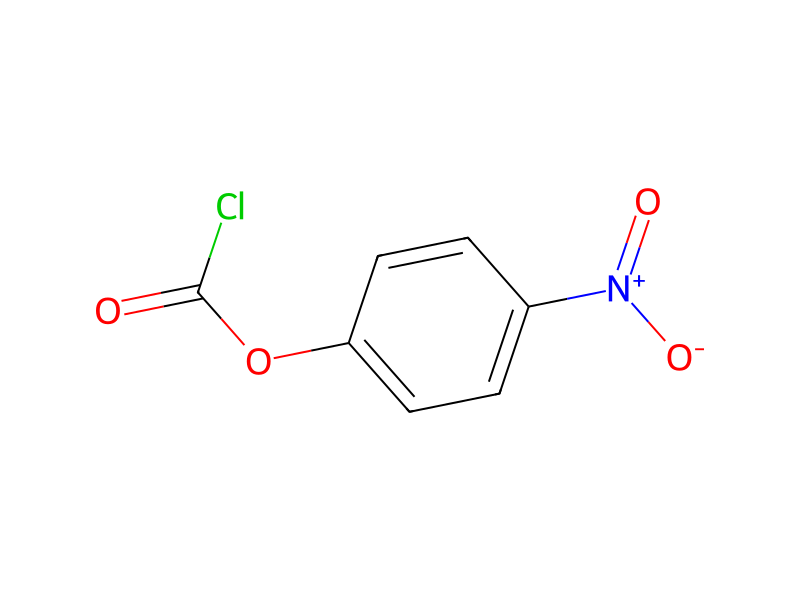 HCID 821294-Nitrophenyl chloroformate
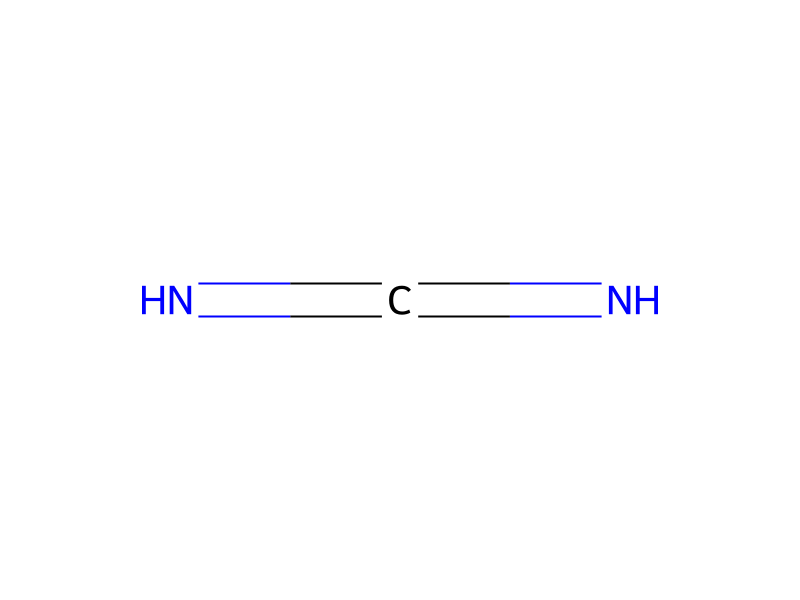 HCID 160435Carbodiimide
 HCID 21226386Carbonochloridate
Product 1

Reagents, catalysts & solvents 5





Procedure
6-Chloronicotinic acid 51 is activated by reacting with a chloroformate activating agent such as SOCl2, phenylchloroformate, or p-nitrophenyl chloroformate, or a carbodiimide activating agent such as CDI, DCC, or EDC in the presence of HOBt and N-hydroxysuccinimide in a polar aprotic solvent such as CH2Cl2, 1,2-dichloroethane, DMF, or NMP, and heating. An alcohol such as methanol is then added to form 6-chloronicotinic acid methyl ester 52.
Sources & evidence
- ORD record
- ord-60a83d58b884465ea02acb460b5ea7f2
- Source dataset
- uspto-grants-2011_10
- Patent number
- US08034950B2
Reaction notes
Loading…