Hydrochloric Acid → 2-Bromo-6-fluorobenzaldehyde
Reaction equation

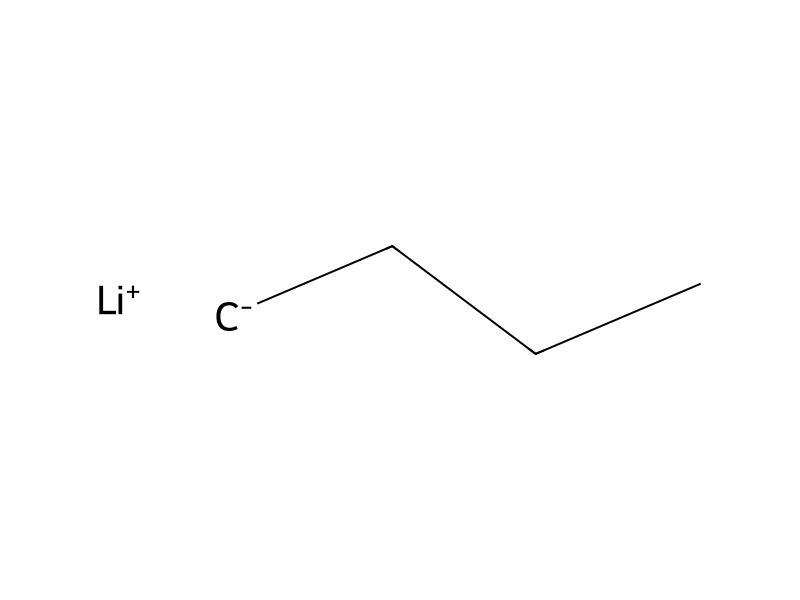
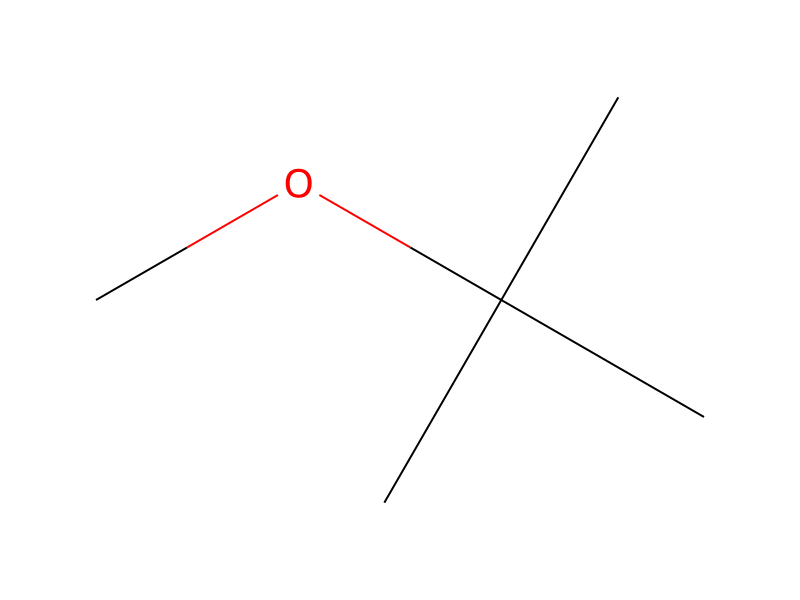
[Br:1][C:2]1[CH:7]=[CH:6][CH:5]=[C:4]([F:8])[CH:3]=1.C([N-]C(C)C)(C)C.[Li+].[Li+].CCC[CH2-].C(NC(C)C)(C)C.Cl.C1C[O:33][CH2:32]C1>O.CC(OC)(C)C.C(O)(=O)C.CN(C=O)C>[Br:1][C:2]1[CH:7]=[CH:6][CH:5]=[C:4]([F:8])[C:3]=1[CH:32]=[O:33]Participants
11
Reactant 6





Product 1

Reagents, catalysts & solvents 4



Procedure
1-Bromo-3-fluorobenzene (17.3 g, 100 mmol) was added over 5 min to a solution of lithium diisopropylamide (prepared from the addition of 40 mL of 2.5 N-butyllithium in hexanes to 11.5 g of 0.1 M diisopropylamine at 0° C.) in THF at −70° C. The mixture was stirred cold for 1 h, after which DMF (8 mL) was added over 10 min. The mixture was stirred at −70° C. for an additional 40 min, then was treat with acetic acid (26 g). The mixture was allowed to warm to ambient temperature, transferred into a mixture of MTBE (200 mL), water (200 mL), and 4 N hydrochloric acid (150 mL). The layers were partitioned and the organic portion was concentrated under reduced pressure to provide the title compound. MS (DCI/NH3) m/z 202 (M+H)+.
Workup
- stirringThe mixture was stirred at −70° C. for an additional 40 min
- customThe layers were partitioned
- concentrationthe organic portion was concentrated under reduced pressure
Sources & evidence
- ORD record
- ord-5eaba4014a65423e9fa7cc631525ac77
- Source dataset
- uspto-grants-2013_12
- Patent number
- US08604053B2
Reaction notes
Loading…