Potassium Carbonate → 3-(Quinolin-6-yl)propanal
Reaction equation

C12BC(CCC1)CCC2.C(O[CH:13]([O:16]CC)[CH:14]=[CH2:15])C.Br[C:20]1[CH:21]=[C:22]2[C:27](=[CH:28][CH:29]=1)[N:26]=[CH:25][CH:24]=[CH:23]2.C(=O)([O-])[O-].[K+].[K+].C1(P(C2CCCCC2)C2CCCCC2)CCCCC1>O1CCCC1.C([O-])(=O)C.[Pd+2].C([O-])(=O)C.O>[N:26]1[C:27]2[C:22](=[CH:21][C:20]([CH2:16][CH2:13][CH:14]=[O:15])=[CH:29][CH:28]=2)[CH:23]=[CH:24][CH:25]=1Participants
Reactant 5


Product 1

Reagents, catalysts & solvents 3



Procedure
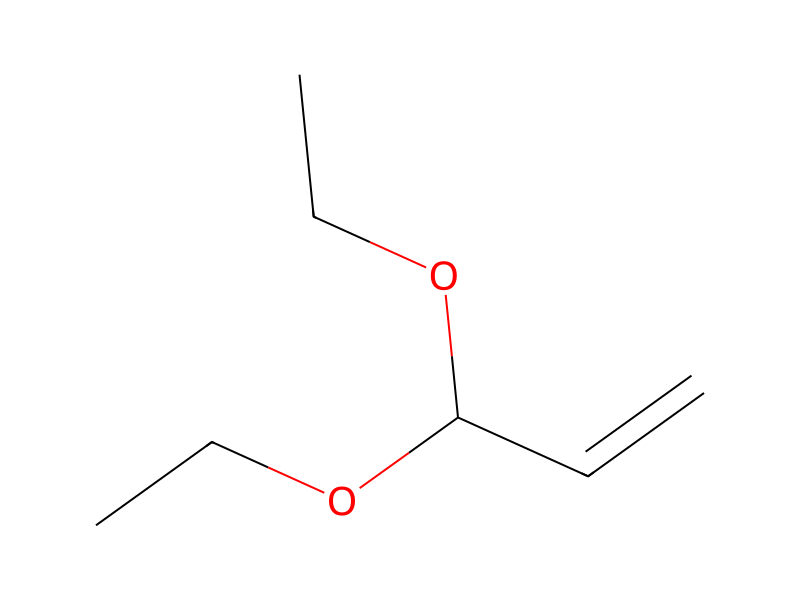
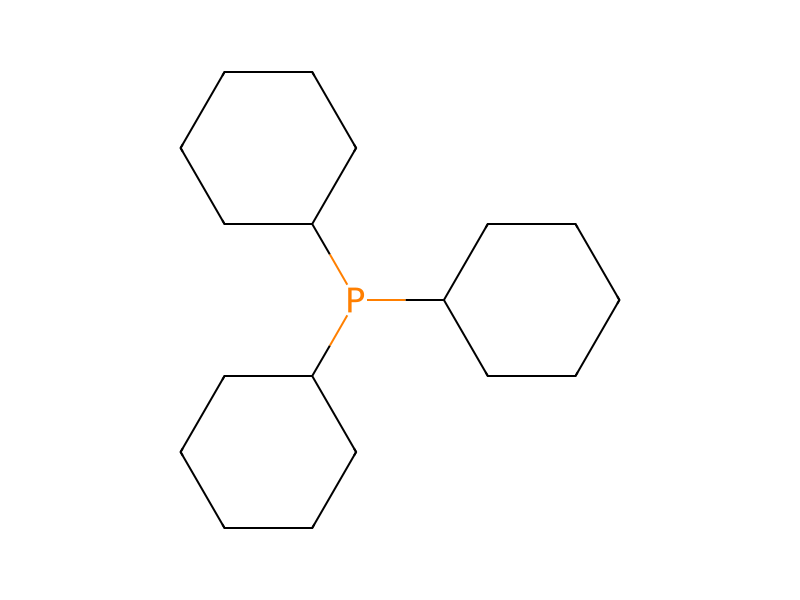
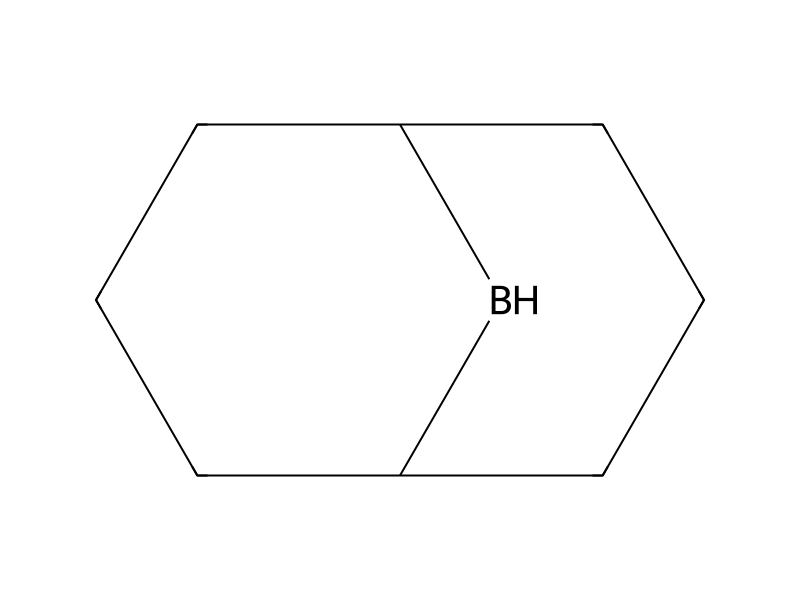
A 22 L flask charged with 0.5 M solution of 9-borabicyclo[3.3.1]nonane in tetrahydrofuran (9-BBN, 5.75 L, 2.89 mol, 2.0 equiv) and tetrahydrofuran (THF, 6 L) was treated with 3,3-diethoxy-1-propene (393 g, 3.02 mol, 2.10 equiv) at 0-5° C. and the resulting reaction mixture was subsequently warmed to room temperature and stirred at room temperature for 14 h. 6-Bromoquinoline (8, 300 g, 1.44 mol, 1.0 equiv), palladium acetate (Pd(OAc)2, 16.1 g, 0.072 mol, 0.05 equiv), potassium carbonate (K2CO3, 398 g, 2.89 mol, 2.0 equiv), tricyclohexylphosphine (22.3 g, 0.079 mol, 0.055 equiv), and water (52 g, 2.8 mol) were added to the reaction mixture at room temperature before being degassed with nitrogen for 1 h. The resulting reaction mixture was heated to 75° C. for 1 h. When TLC and LC/MS showed the reaction was deemed complete, the reaction mixture was cooled to room temperature and water (2 L) was added to dissolve the salts. The resulting mixture was then concentrated under the reduced pressure to a volume of approximately 4 L before being filtered through a plug of Celite. The Celite plug was washed with ethyl acetate (EtOAc, 2 L). The filtrate was concentrated under the reduced pressure to a volume of approximately 2 L and this residual solution was then added slowly over 5 min to a flask containing a 2.0 M aqueous hydrochloric acid (HCl) solution (2 L) at 0-5° C. The resulting solution was stirred at 0-5° C. for 14 h before being quenched with saturated aqueous sodium bicarbonate (NaHCO3) solution at 0° C. until the pH was between 8 to 9. The layers were separated and the aqueous layer was extracted with ethyl acetate (EtOAc, 2 L). The combined organic layers were washed with brine (1 L), dried with sodium sulfate (Na2SO4), and concentrated under the reduced pressure. The residue, which contains the crude 3-(quinolin-6-yl)propanal (9) was purified by flash column chromatography (SiO2, 20-80% ethyl acetate in heptane gradient elution) to afford 3-(quinolin-6-yl)propanal (9, 139 g, 266.7 g theoretical, 52.1%) as a yellow oil, which was found to be identical to the material obtained from Methods 1 and 2.
Workup
- customthe resulting reaction mixture
- custombefore being degassed with nitrogen for 1 h
- customThe resulting reaction mixture
- temperaturewas heated to 75° C. for 1 h
- temperaturethe reaction mixture was cooled to room temperature
- dissolutionto dissolve the salts
- concentrationThe resulting mixture was then concentrated under the reduced pressure to a volume of approximately 4 L
- filtrationbefore being filtered through a plug of Celite
- washThe Celite plug was washed with ethyl acetate (EtOAc, 2 L)
- concentrationThe filtrate was concentrated under the reduced pressure to a volume of approximately 2 L
- additionthis residual solution was then added slowly over 5 min to a flask
- additioncontaining a 2.0 M aqueous hydrochloric acid (HCl) solution (2 L) at 0-5° C
- stirringThe resulting solution was stirred at 0-5° C. for 14 h
- custombefore being quenched with saturated aqueous sodium bicarbonate (NaHCO3) solution at 0° C. until the pH
- customThe layers were separated
- extractionthe aqueous layer was extracted with ethyl acetate (EtOAc, 2 L)
- washThe combined organic layers were washed with brine (1 L)
- dry with materialdried with sodium sulfate (Na2SO4)
- concentrationconcentrated under the reduced pressure
- customwas purified by flash column chromatography (SiO2, 20-80% ethyl acetate in heptane gradient elution)
Sources & evidence
- ORD record
- ord-6777ae30a8f845c3898e10f4d3b094a7
- Source dataset
- uspto-grants-2013_04
- Patent number
- US08420645B2
Reaction notes
Loading…