Nitrogen → 3-(4-Fluoro-2-methylsulfanyl-phenyl)-acrylic acid methyl ester
Reaction equation

[F:1][C:2]1[CH:7]=[CH:6][C:5](I)=[C:4]([S:9][CH3:10])[CH:3]=1.C([O-])([O-])=O.[K+].[K+].[C:17]([O:21][CH3:22])(=[O:20])[CH:18]=[CH2:19].N#N>[Cl-].C([N+](CCCC)(CCCC)CCCC)CCC.CN(C=O)C.CC([O-])=O.CC([O-])=O.[Pd+2].O>[CH3:22][O:21][C:17](=[O:20])[CH:18]=[CH:19][C:5]1[CH:6]=[CH:7][C:2]([F:1])=[CH:3][C:4]=1[S:9][CH3:10]Participants
9
Reactant 4




Product 1

Reagents, catalysts & solvents 4



Procedure
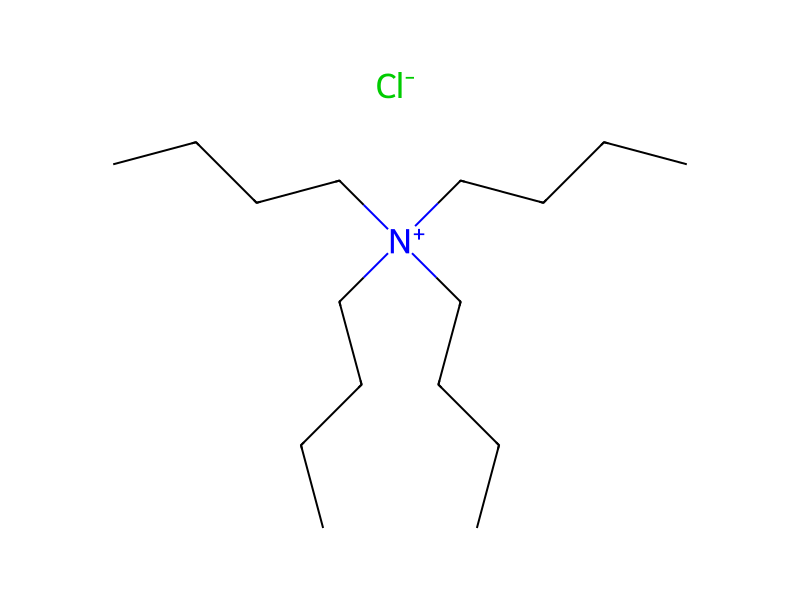
4-fluoro-1-iodo-2-methylsulfanyl-benzene (6.8 g 25.3 mmol), K2CO3 (9.9 g, 63.4 mmol), methyl acrylate (5.7 ml, 63.4 mmol), Tetra-n-butylammonium chloride (7.0 g, 25.3 mmol) and Pd(OAc)2 (1.1 g, 5.07 mmol) were mixed in DMF (150 ml). The mixture was heated at 50° C. under the atmosphere of N2 overnight, after which water was added and then extracted with ethyl acetate. The extracts were combined, washed with brine, dried over sodium sulfate and evaporated under reduced pressure. The residue was purified by column chromatography to give the desired product (4.8 g, yield 89%).
Workup
- extractionextracted with ethyl acetate
- washwashed with brine
- dry with materialdried over sodium sulfate
- customevaporated under reduced pressure
- customThe residue was purified by column chromatography
Sources & evidence
- ORD record
- ord-a58fd78498504445a13fd200f17eda87
- Source dataset
- uspto-grants-2013_04
- Patent number
- US08431581B2
Reaction notes
Loading…