Benzaldehyde → Phenylhydantoin
Reaction equation

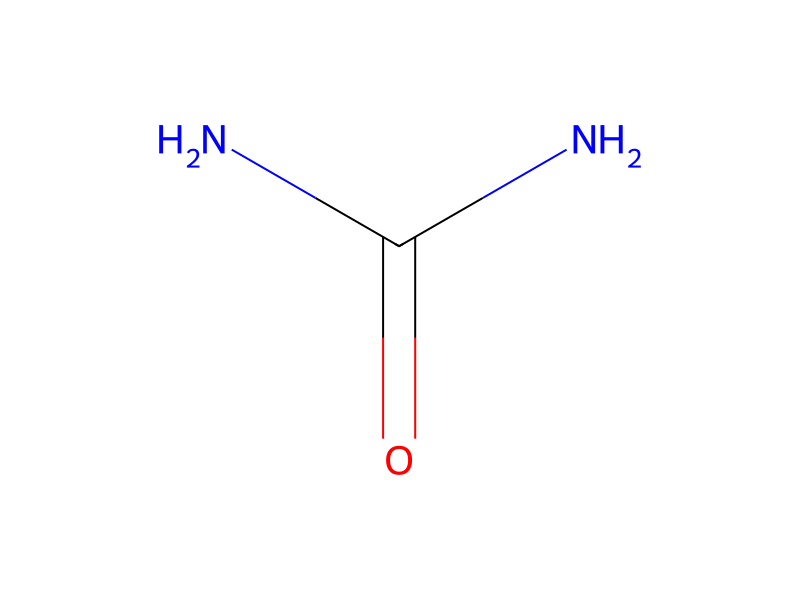
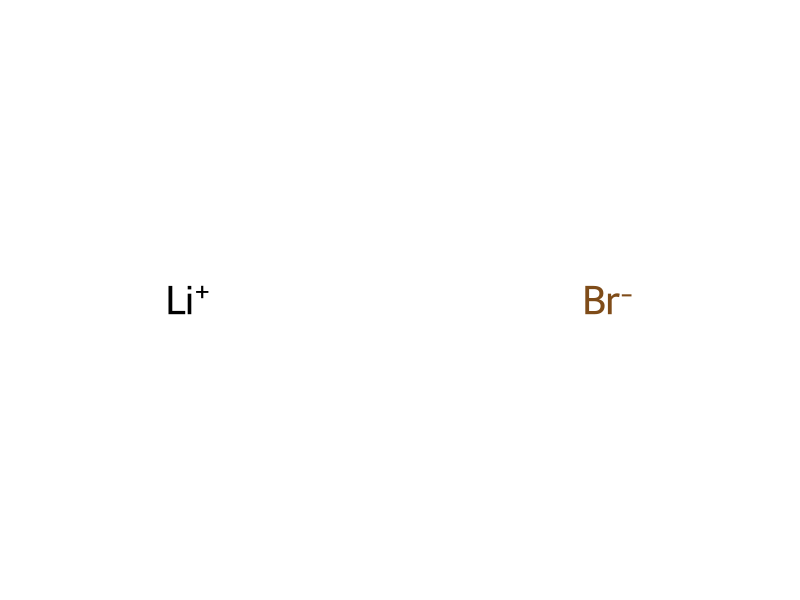
[CH:1](=O)[C:2]1[CH:7]=[CH:6][CH:5]=[CH:4][CH:3]=1.[NH2:9][C:10]([NH2:12])=[O:11].S(=O)(=O)(O)O.CN1CCC[C:20]1=[O:24]>[Pd](Br)Br.C1(P(C2C=CC=CC=2)C2C=CC=CC=2)C=CC=CC=1.[Br-].[Li+]>[C:2]1([CH:1]2[NH:12][C:10](=[O:11])[NH:9][C:20]2=[O:24])[CH:7]=[CH:6][CH:5]=[CH:4][CH:3]=1Participants
8






Procedure
2,600 g benzaldehyde, 1,500 g urea, 25 ml N-methylpyrrolidone, 0.017 g palladium(II) bromide, 0.033 g triphenylphosphane, 0.100 9 sulfuric acid and 0.760 g lithium bromide are reacted in a 300 ml autoclave under 60 bar at 80° C. After a reaction time of 12 hours, the solvent is removed in vacuo and the residue is analyzed by means of high pressure liquid chromatography (HPLC). 2,200 g 5-phenylhydantoin are formed. This corresponds to a yield of 50%.
Workup
- customAfter a reaction time of 12 hours, the solvent is removed in vacuo
Sources & evidence
- ORD record
- ord-e82aa72cdcbc495e967cc07059ae3f75
- Source dataset
- uspto-grants-2001_05
- Patent number
- US06235910B1
Reaction notes
Loading…