Lithium Hydroxide → HCID 90077558, compound
Reaction equation

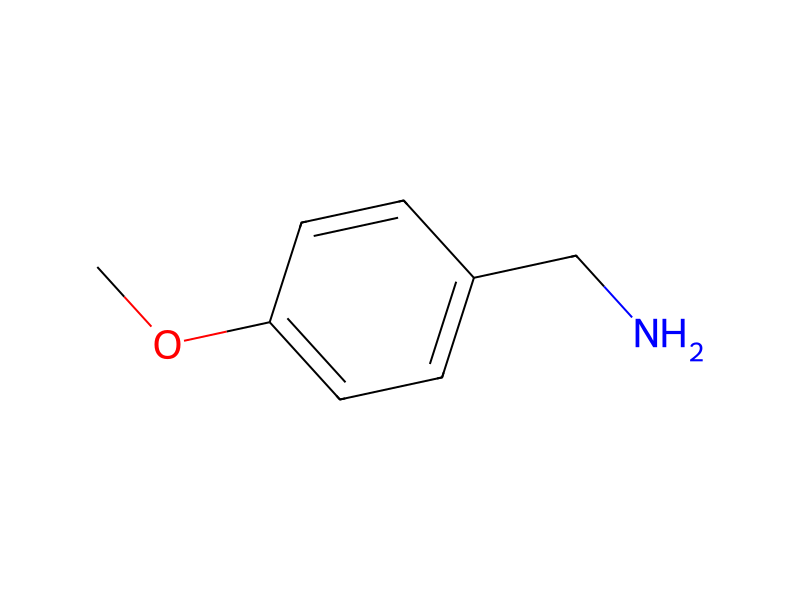
[Cl:1][C:2]1[N:3]=[C:4]2[C:9](=[CH:10][CH:11]=1)[N:8]=[CH:7][C:6]([C:12](OCC)=[O:13])=[C:5]2[NH:17][C:18]1[CH:23]=[CH:22][C:21]([C:24]([C:27]#[N:28])([CH3:26])[CH3:25])=[CH:20][CH:19]=1.[OH-].[Li+].C(Cl)(=O)C(Cl)=O.C(N(CC)CC)C.[CH3:44][O:45][C:46]1[CH:53]=[CH:52][C:49]([CH2:50][NH2:51])=[CH:48][CH:47]=1>CO.O1CCCC1.ClCCl.O.CN(C=O)C>[Cl:1][C:2]1[N:3]=[C:4]2[C:9](=[CH:10][CH:11]=1)[N:8]=[CH:7][C:6]([C:12]([NH:51][CH2:50][C:49]1[CH:52]=[CH:53][C:46]([O:45][CH3:44])=[CH:47][CH:48]=1)=[O:13])=[C:5]2[NH:17][C:18]1[CH:19]=[CH:20][C:21]([C:24]([C:27]#[N:28])([CH3:25])[CH3:26])=[CH:22][CH:23]=1Participants
Reactant 5




Product 1

Reagents, catalysts & solvents 5





Procedure
ethyl 6-chloro-4-((4-(2-cyanopropan-2-yl)phenyl)amino)-1,5-naphthyridine-3-carboxylate (6.9 g, 17.5 mmol) was dissolved in 50 mL methanol and 50 mL tetrahydrofuran. To the resulting mixture was added dropwise 50 mL of an aqueous lithium hydroxide (2.2 g, 52.4 mmol) solution at room temperature. After the completion of the dropwise addition, the resulting mixture was reacted at room temperature for 4 hrs. The reaction was concentrated. 200 mL water was added. The resulting mixture was adjusted with hydrochloric acid to pH=2-3. The solid was separated, and dried in vacuum to obtain a yellow solid, which was then dispersed in 100 mL dichloromethane. 0.05 mL DMF was added. To the resulting mixture was added dropwise oxalyl chloride (4.2 g, 33.3 mmol) under an ice bath. After the completion of the dropwise addition, the reaction mixture was warmed up to room temperature and reacted for 4 hrs. The reaction was evaporated under a reduced pressure to remove the solvent, then dissolved in 100 mL dichloromethane. To the resulting mixture was added dropwise a mixture of triethylamine (5.0 g, 49.8 mmol) and para-methoxybenzylamine (2.7 g, 19.9 mmol) under an ice bath. After the completion of the dropwise addition, the reaction mixture was reacted at room temperature for 15 hrs. 50 mL water and 100 mL DCM were added. The phases were separated. The aqueous phase was extracted with 100 mL DCM. The organic phases were combined, dried over anhydrous sodium sulfate, and concentrated. The resulting crude product was separated by silicagel column chromatography (EtOAc/PE=1/10-3/2) to obtain a pale yellow solid (4.0 g).
Workup
- additionAfter the completion of the dropwise addition
- customthe resulting mixture was reacted at room temperature for 4 hrs
- concentrationThe reaction was concentrated
- addition200 mL water was added
- customThe solid was separated
- customdried in vacuum
- customto obtain a yellow solid, which
- additionAfter the completion of the dropwise addition
- customreacted for 4 hrs
- customThe reaction was evaporated under a reduced pressure
- customto remove the solvent
- dissolutiondissolved in 100 mL dichloromethane
- additionTo the resulting mixture was added dropwise
- additionAfter the completion of the dropwise addition
- customthe reaction mixture was reacted at room temperature for 15 hrs
- customThe phases were separated
- extractionThe aqueous phase was extracted with 100 mL DCM
- dry with materialdried over anhydrous sodium sulfate
- concentrationconcentrated
- customThe resulting crude product was separated by silicagel column chromatography (EtOAc/PE=1/10-3/2)
Sources & evidence
- ORD record
- ord-a694be5d17c74eba940f0bdab0d32e76
- Source dataset
- uspto-grants-2016_06
- Patent number
- US09365572B2
Reaction notes
Loading…