Phosgene → Dabco
Reaction equation

C(Cl)(Cl)=O.C(Cl)(=O)OC.[C:10](Cl)(=O)O[CH2:12][CH3:13].C(Cl)(=O)OC[C:19]1[CH:24]=[CH:23][CH:22]=[CH:21][CH:20]=1.[C:27]([C:34]1[NH:35][CH:36]=[CH:37][N:38]=1)([C:29]1[NH:30]C=CN=1)=O>C(N(CC)CC)C>[CH:34]([N:35]([CH:24]([CH3:23])[CH3:19])[CH2:36][CH3:37])([CH3:27])[CH3:10].[N:35]12[CH2:13][CH2:12][N:38]([CH2:27][CH2:34]1)[CH2:37][CH2:36]2.[N:30]12[CH2:29][CH2:27][CH2:34][N:38]=[C:19]1[CH2:24][CH2:23][CH2:22][CH2:21][CH2:20]2Participants
9
Reactant 5

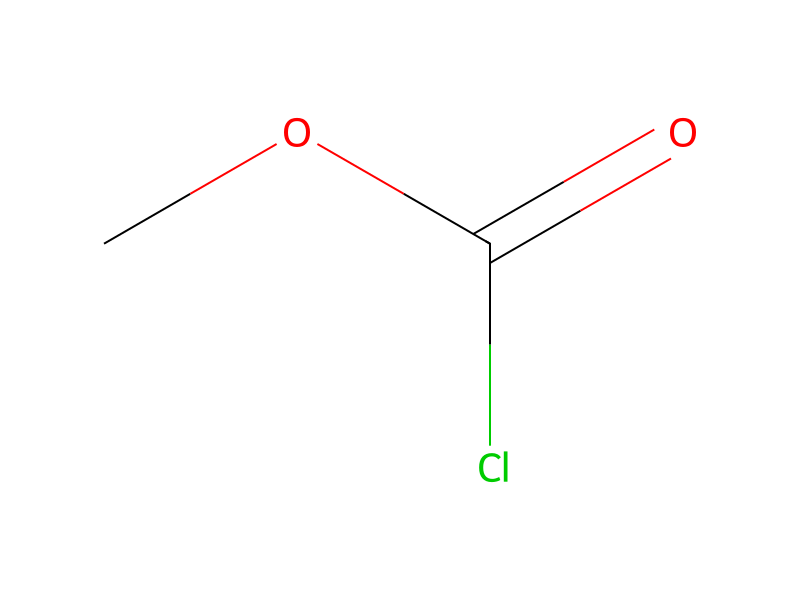


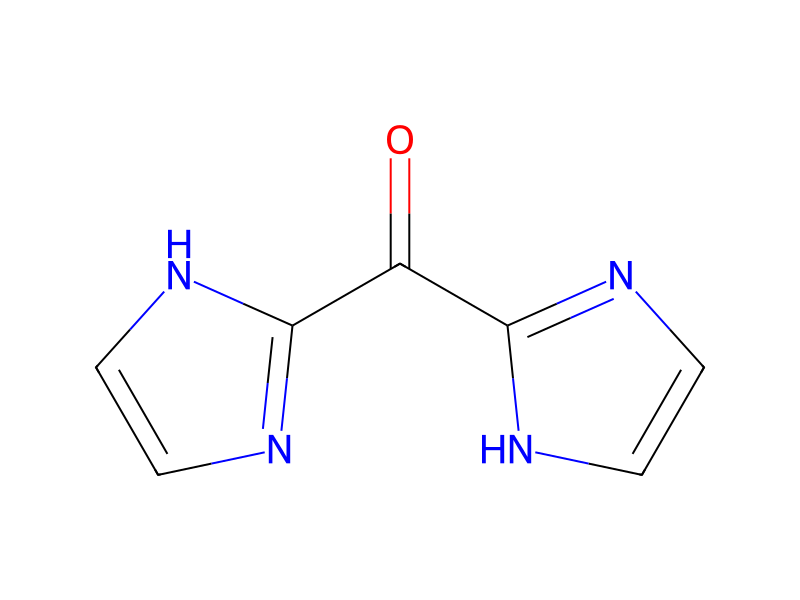
Product 3



Reagents, catalysts & solvents 1

Procedure
The compound (V) is reacted with a carbonic ester (e.g. diethyl carbonate, dimethyl carbonate, benzyl carbonate) in the presence of a base (e.g. lithium carbonate, sodium carbonate, potassium carbonate, sodium hydroxide, potassium hydroxide, sodium methoxide, sodium ethoxide, diisopropylethylamine, triethylamine) to produce the compound (VI). Alternatively, the compound (V) is reacted with phosgene, methyl chlorocarbonate, ethyl chlorocarbonate, benzyl chlorocarbonate or carbonyl diimidazole or its related compound, if necessary, in the presence of a base (e.g. triethylamine, diisopropylethylamine, 1,4-di azabicyclo[2.2.2]octane, 1,8-diazabicyclo[5.4.0]undec-7-ene) to give the compound (VI).
Sources & evidence
- ORD record
- ord-755d66e8515f4c249a3065dd09fd5f46
- Source dataset
- uspto-grants-1993_07
- Patent number
- US05231179
Reaction notes
Loading…