Bromide ion → HCID 10881195, compound
Reaction equation

[CH3:1][C:2]([C:4]1[CH:9]=[CH:8][C:7](Br)=[CH:6][CH:5]=1)=[O:3].Br[C:12]1[CH:19]=[CH:18][C:15]([CH:16]=[O:17])=[CH:14][CH:13]=1.I[C:21]1C=CC(Br)=CC=1.BrC1C=CC=CC=1C.BrC1C=CC=CC=1.ClC[C:45]([C:47]1C=CC=C[CH:48]=1)=[O:46].[Br-].[Li+].CC(C1C=CC(Cl)=CC=1)=O.C(OCC(CC)CCCC)(=O)C=C.C([O-])(=O)C.[Na+].[Li].[Br-]>[Pd].CC(N(C)C)=O.P1C2C(=CC=CC=2)C[Pd]1>[C:2]([C:4]1[CH:9]=[CH:8][C:7](/[CH:48]=[CH:47]/[C:45]([O:17][CH2:16][CH:15]([CH2:14][CH3:13])[CH2:18][CH2:19][CH2:12][CH3:21])=[O:46])=[CH:6][CH:5]=1)(=[O:3])[CH3:1]Participants
Reactant 12
 HCID 259Bromide ion
 HCID 72362-Bromotoluene
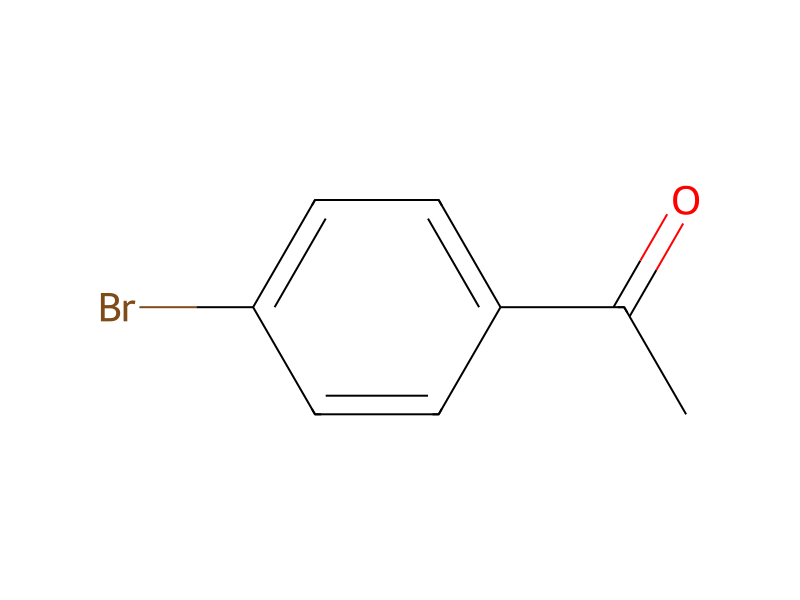 HCID 7466p-Bromoacetophenone
 HCID 7467P-Chloroacetophenone
 HCID 76362-Ethylhexyl acrylate
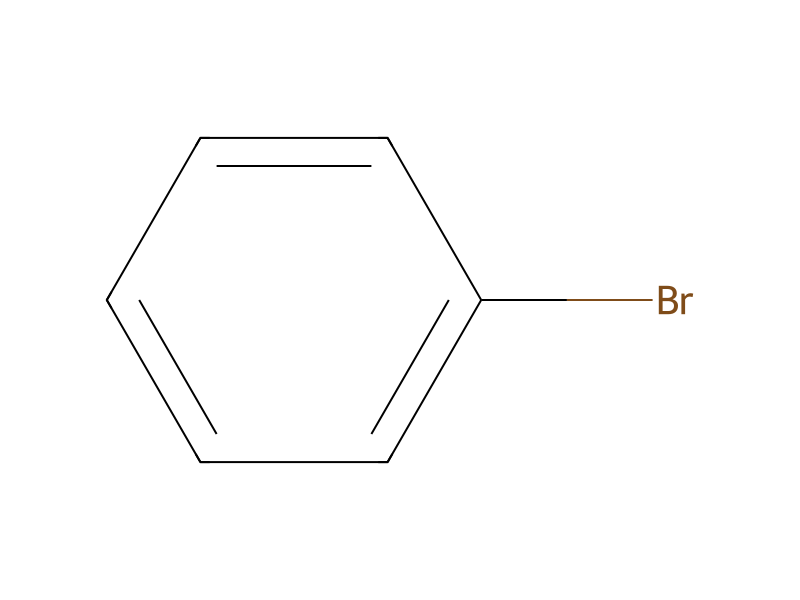 HCID 7961Bromobenzene
 HCID 107572-Chloroacetophenone
 HCID 115221-Bromo-4-iodobenzene
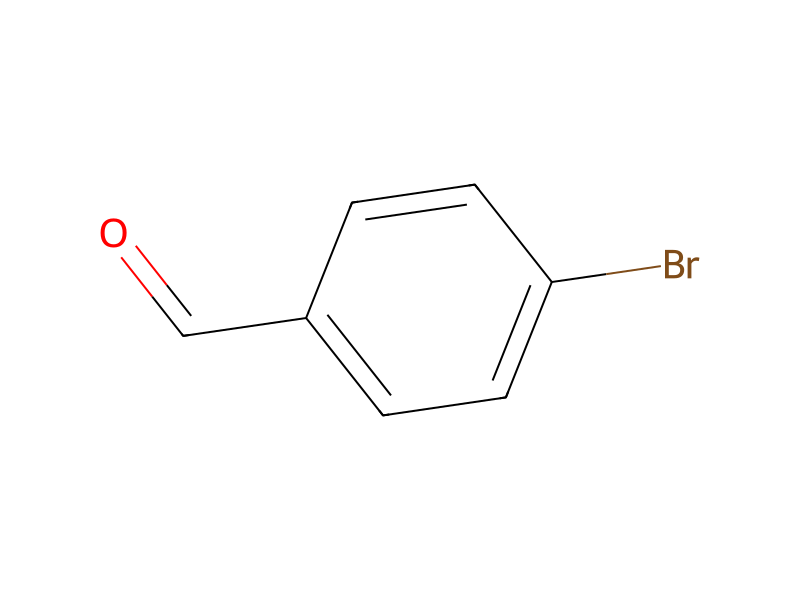 HCID 707414-Bromobenzaldehyde
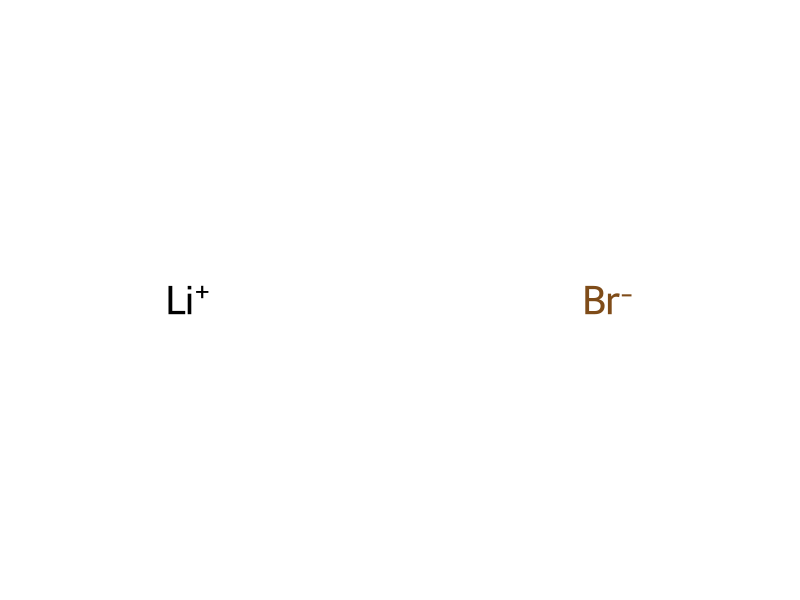 HCID 82050Lithium Bromide
 HCID 517045Sodium Acetate
 HCID 3028194Lithium
Product 1

Reagents, catalysts & solvents 3



Procedure
DE-4421730 discloses the hitherto best process using palladaphosphaindanes, known as palladacycles, for the Heck reaction. It comprises the reaction of bromoaromatics and chloroaromatics with olefins. Activated bromoaromatics, for example 4-bromoacetophenone, 4-bromobenzaldehyde or 4-iodobromobenzene, are reacted in yields of up to 100% using amounts of from 0.002 to 0.01 mol % of palladium catalyst in the form of palladaphosphaindane. Less active bromoaromatics, for example bromotoluene or bromobenzene, are reacted in yields of up to 96% using amounts of 2 mol % of palladium as catalyst in the form of palladaphosphaindane. In the reaction of activated chloroaromatics, for example chloroacetophenone, it is necessary to add halide ions in the form of their salts, for example lithium bromide, in order to achieve high yields. Thus, the reaction of 100 mmol of 4-chloroacetophenone, 170 mmol of 2-ethylhexyl acrylate, 110 mmol of sodium acetate, 10 mmol of lithium, bromide in 100 ml of dimethylacetamide with 0.05 mmol of di-μ-acetato-bis(o-(di-o-tolylphosphino)benzyl)dipalladium(II) (corresponds to 0.1 mol % of palladium) as catalyst gives a yield of 82% of 2-ethylhexyl trans-4-acetylcinnamate after 18 hours at 130° C. Since, owing to the complexity of the reaction mixtures, simple catalyst recycling is not possible when using palladaphosphaindanes either, the catalyst costs generally stand in the way of industrial implementation in the case of the less active bromoaromatics and chloroaromatics. In addition, in the case of the chloroaromatics, the addition of halides or pseudo halides is ecologically disadvantageous, especially since these do not contribute to the reaction but only serve to stabilize the palladaphosphaindanes.
Workup
- customin yields of up to 100%
- customin yields of up to 96%
- customIn the reaction of activated chloroaromatics
Sources & evidence
- ORD record
- ord-4088ac00b4db4df2a4076d308b52185d
- Source dataset
- uspto-grants-2001_02
- Patent number
- US06194627B1
Reaction notes
Loading…