Hydrochloric Acid → Hydroxyacetic acid--2-hydroxypropanoic acid (1/1)
Reaction equation

[CH2:1]1C2C(CCCC2)CCC1.Cl.[C:12]([O:15]C(=O)C)(=[O:14])[CH3:13].F[C:20](F)(F)[C:21]([OH:23])=[O:22].C([O:29]C(C)C)(C)C.[OH2:33]>CCOCC.C(Cl)(Cl)Cl.ClCCl.CC(C)=O.C1(C)C(C)=CC=CC=1.C1(C)C=CC=CC=1.CN(C)C=O.C1C=CC=CC=1>[C:12]([OH:15])(=[O:14])[CH:13]([CH3:1])[OH:33].[C:21]([OH:23])(=[O:22])[CH2:20][OH:29]Participants
Reactant 6





Product 1

Reagents, catalysts & solvents 8








Procedure
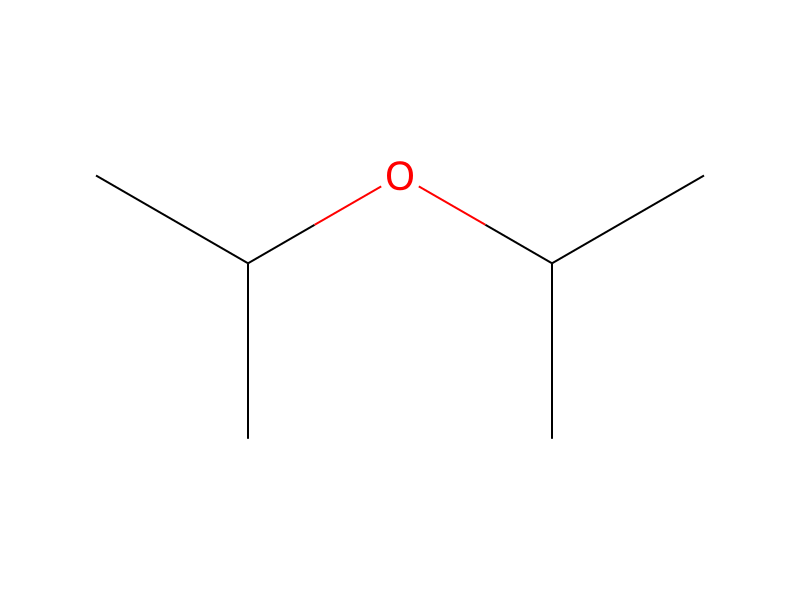
“Polymerization method” may be a bulk polymerization in which a reactant is used as being melted or a solution polymerization in which a reactant is employed as being dissolved in a suitable solvent (for example, benzene, toluene, xylene, decalin, and dimethylformamide). A preferred solvent is toluene, xylene and the like. While the polymerization temperature is not limited particularly, a bulk polymerization may employ a temperature capable of melting a reactant at the initiation of the reaction or higher, usually 100 to 300° C., and a solution polymerization usually employs room temperature to 150° C. with using a condenser for reflux or a pressure-resistant reactor when the reaction temperature exceeds the boiling point of the reaction solution. While the polymerization time period may vary depending on the polymerization temperature, other reaction conditions and intended polymer characteristics, it may for example be 10 minutes to 72 hours. After the reaction, the reaction mixture is dissolved in a suitable solvent (for example, acetone, dichloromethane, chloroform), combined with an acid (for example, hydrochloric acid, acetic anhydride, trifluoroacetic acid) to terminate the polymerization, and then precipitated for example by mixing with a solvent which does not dissolve an intended product (for example, alcohol, water, ether, isopropyl ether) in accordance with a standard method, whereby isolating a lactic acid-glycolic acid polymer having a protected carboxyl group at its ω-terminal.
Workup
- custom“Polymerization method”
- customa bulk polymerization in which a reactant
- customa solution polymerization in which a reactant
- customa bulk polymerization
- customat the initiation of the reaction
- customhigher, usually 100 to 300° C., and a solution polymerization usually employs room temperature to 150° C.
- temperaturefor reflux
- customa pressure-resistant reactor when the reaction temperature exceeds
- customWhile the polymerization time period may vary depending on the polymerization temperature, other reaction conditions
- waitbe 10 minutes to 72 hours
- customAfter the reaction
- customto terminate
- customthe polymerization
- additionby mixing with a solvent which
Sources & evidence
- ORD record
- ord-313129408a9e4df48ce620e4619912e6
- Source dataset
- uspto-grants-2007_09
- Patent number
- US07265157B1
Reaction notes
Loading…