Formaldehyde → (R)-5-biphenyl-4-yl-4-tert-butoxycarbonylamino-2-methylenepentanoic acid
Reaction equation

C1(C2C=CC=CC=2)C=CC(C[C@H]2N(C[C:14]3[CH:19]=[CH:18][C:17](OC)=[CH:16][CH:15]=3)C(=O)CC2)=CC=1.C([N:31]([CH2:34][CH3:35])CC)C.C(O[C:44]([O:46][C:47]([CH3:50])([CH3:49])[CH3:48])=[O:45])(OC(C)(C)C)=O.[Mg+2].[Cl-].[Cl-].C(Cl)(=O)[C:55]1[CH:60]=[CH:59][CH:58]=[CH:57][CH:56]=1.OP(O)(O)=O.[C:68](=[O:71])([O-])[O-:69].[K+].[K+].CN1[CH:79]=[CH:78]N=C1.[CH2:80]=O.O.[OH-].[Li+]>CN(C1C=CN=CC=1)C.O.[Br-].C([N+](CCCC)(CCCC)CCCC)CCC.C1(C)C=CC=CC=1>[C:14]1([C:55]2[CH:56]=[CH:57][CH:58]=[CH:59][CH:60]=2)[CH:19]=[CH:18][C:17]([CH2:80][C@@H:34]([NH:31][C:44]([O:46][C:47]([CH3:48])([CH3:49])[CH3:50])=[O:45])[CH2:35][C:78](=[CH2:79])[C:68]([OH:69])=[O:71])=[CH:16][CH:15]=1Participants
Reactant 10








Product 1

Reagents, catalysts & solvents 4




Conditions
- Temperature
- 65 °C
Procedure
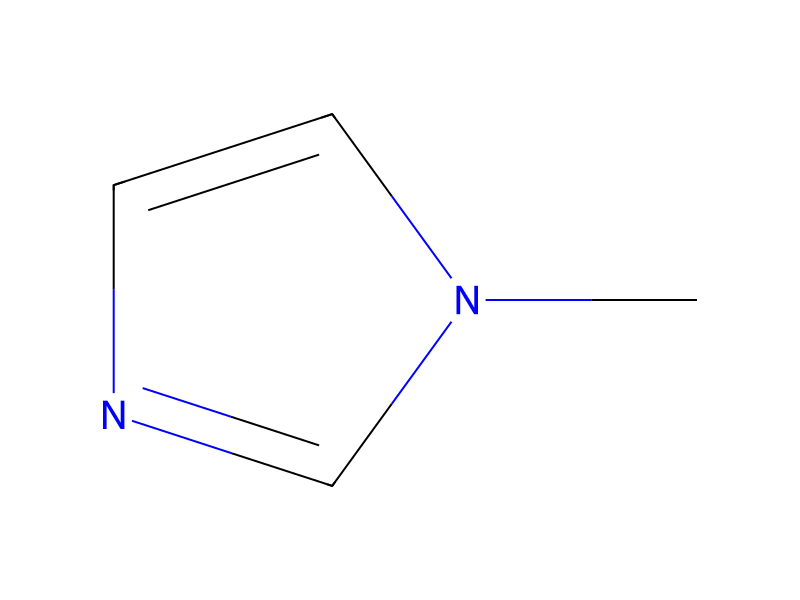
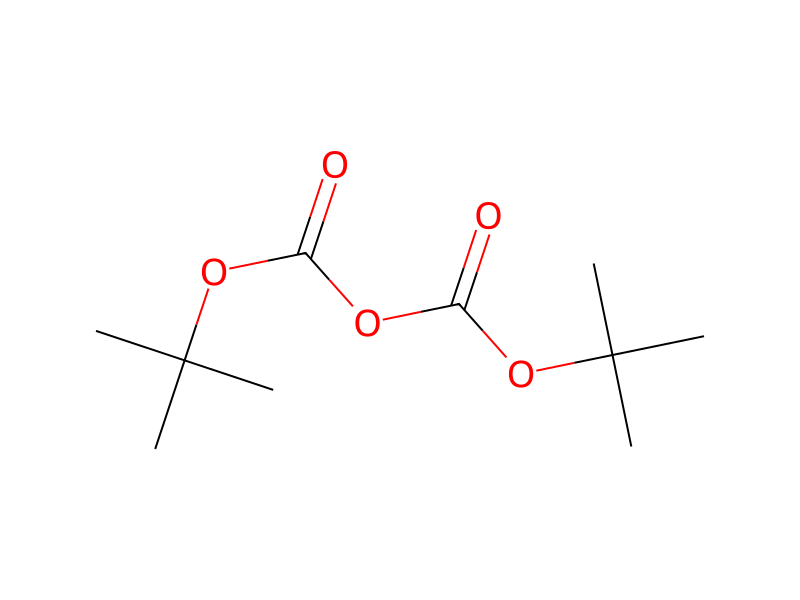
Under N2, to a 1-L of flask is added (S)-2-Biphenyl-4-ylmethyl-5-oxo-pyrrolidine-1-carboxylic acid tert-butyl ester (3a, R1=t-butoxycarbonyl) (40 g, 159 mmol) and DMAP (2.43 g, 20 mmol), followed by 500 mL of toluene and triethyamine (26.1 g, 258 mmol). The mixture is warmed up to 65° C., di-tert-butyl dicarbonate (48.6 g, 223 mmol) is added over 30 min, then stirred for 2 hours. The reaction mixture is cooled to 25° C., washed with 200 mL of water three times, then concentrated. The residue is dissolved in 400 mL of THF, MgCl2 (18.0 g, 159 mm) and triethylamine (26.1 g, 258 mmol) are added. The reaction mixture is cooled to 5° C., benzoyl chloride (36.4 g, 259 mmol) is added dropwise slowly, after addition, the mixture is stirred at 5° C. for 1 h, then warm to 10° C. and stirred for 15 h. 100 mL of water are added, followed by a solution of H3PO4 (57.4 g, 510 mol) in water (100 mL). After 10 min, the aqueous phase is removed and the organic phase is washed with brine (200 mL) twice. To the organic extracts are added potassium carbonate solution (65.4 g, in 200 mL of water), N-methylimidazole (32.6 g, 398 mmol), tetrabutyl-ammonium-hydroxide solution (3.68 g, 40% w/w, 5.7 mmol) and formaldehyde solution in water (48.4 g, 37% w/w, 613 mmol). This mixture is warmed to 55° C., and stirred for 20 h. After this time, the reaction temperature is cooled to 25° C. and the aqueous phase is removed. The organic phase is washed with saturated sodium chloride (200 mL) twice. Lithium hydroxide monohydrate solution (29.3 g in 200 mL of water, 698 mmol) and tetrabutyl ammonium bromide (0.65 g, 2 mmol) is added. The mixture is stirred at 25° C. for 4 h. Then phosphoric acid (97.6 g, 85% w/w) is added to the reaction mixture, pH is adjusted to 4-5 at 10-20° C. The aqueous phase is removed and a saturated sodium chloride solution in water (200 mL) is added. The organic phase is separated and concentrated. The residue is dissolved in ethyl acetate (500 mL) and then removed under vacuum. Ethyl acetate (1000 mL) and water (400 mL) is added. The organic phase is separated, washed with water (400 mL) three times, and concentrated. To the resulting residue is added toluene (400 mL) and then removed under vacuum. Acetonitrile is added (400 mL). The reaction mixture is refluxed and cooled down in about 2 h to 4° C. The resulting solid is separated by filtration. The filter cake is washed with cold acetonitrile (50 mL), followed by heptane (100 mL) and dried to give (R)-5-biphenyl-4-yl-4-tert-butoxycarbonylamino-2-methylenepentanoic acid as a white solid. The ratio of intermediate (3S,5S-4, R1=t-butoxycarbonyl, R4=phenyl) to (3R,5S-4, R1=t-butoxycarbonyl, R4=phenyl) is 70:30 as determined by HPLC. Spectroscopic data as Example 35, Method 1.
Workup
- temperatureThe reaction mixture is cooled to 25° C.
- washwashed with 200 mL of water three times
- concentrationconcentrated
- dissolutionThe residue is dissolved in 400 mL of THF
- temperatureThe reaction mixture is cooled to 5° C.
- additionafter addition
- stirringthe mixture is stirred at 5° C. for 1 h
- temperaturewarm to 10° C.
- stirringstirred for 15 h
- waitAfter 10 min
- customthe aqueous phase is removed
- washthe organic phase is washed with brine (200 mL) twice
- temperatureThis mixture is warmed to 55° C.
- stirringstirred for 20 h
- temperatureAfter this time, the reaction temperature is cooled to 25° C.
- customthe aqueous phase is removed
- washThe organic phase is washed with saturated sodium chloride (200 mL) twice
- stirringThe mixture is stirred at 25° C. for 4 h
- customis adjusted to 4-5 at 10-20° C
- customThe aqueous phase is removed
- additiona saturated sodium chloride solution in water (200 mL) is added
- customThe organic phase is separated
- concentrationconcentrated
- dissolutionThe residue is dissolved in ethyl acetate (500 mL)
- customremoved under vacuum
- additionEthyl acetate (1000 mL) and water (400 mL) is added
- customThe organic phase is separated
- washwashed with water (400 mL) three times
- concentrationconcentrated
- additionTo the resulting residue is added toluene (400 mL)
- customremoved under vacuum
- additionAcetonitrile is added (400 mL)
- temperatureThe reaction mixture is refluxed
- temperaturecooled down in about 2 h to 4° C
- customThe resulting solid is separated by filtration
- washThe filter cake is washed with cold acetonitrile (50 mL)
- customdried
Sources & evidence
- ORD record
- ord-add5eafe20d74fe6b450d1a158621a02
- Source dataset
- uspto-grants-2016_03
- Patent number
- US09278908B2
Reaction notes
Loading…