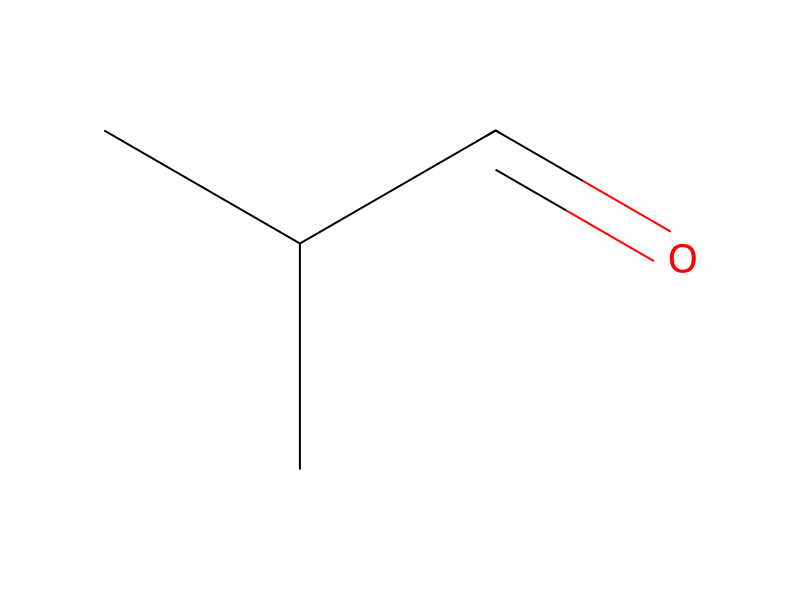
p-Bromoacetophenone → Isobutyraldehyde
Reaction equation

C1(P(C2C=CC=CC=2)C2C=CC=CC=2)C=CC=CC=1.C(=O)(O)[O-].[Na+].[CH3:25][C:26]([C:28]1[CH:33]=[CH:32][C:31]([Br:34])=[CH:30][CH:29]=1)=[O:27].[CH2:35]([OH:39])[C:36](=[CH2:38])[CH3:37].C(N(C(C)C)CC)(C)C>CC(N(C)C)=O.C([O-])(=O)C.[Pd+2].C([O-])(=O)C>[CH3:25][C:26]([C:28]1[CH:33]=[CH:32][C:31]([Br:34])=[CH:30][CH:29]=1)=[O:27].[CH3:37][CH:36]([CH3:38])[CH:35]=[O:39]Participants
9
Reactant 5
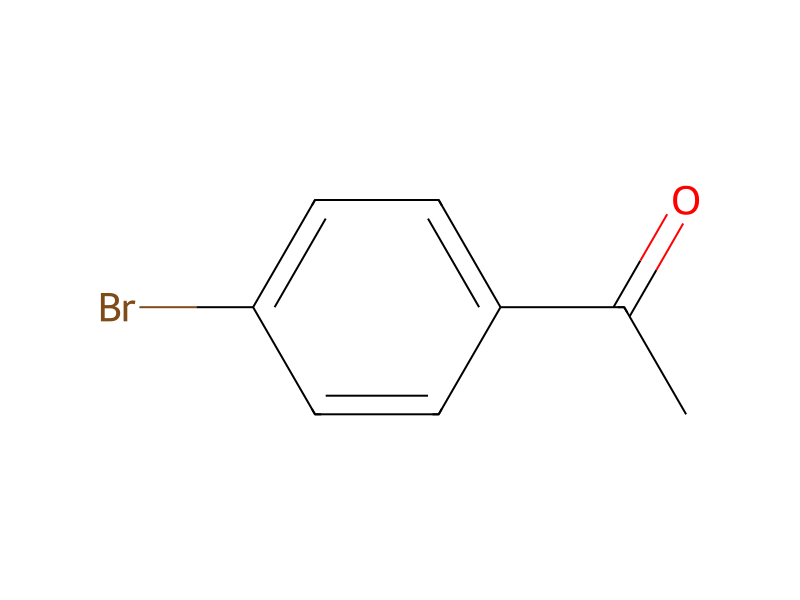




Product 2
Reagents, catalysts & solvents 2


Conditions
- Temperature
- 130 °C
Procedure
0.2 palladium acetate and 0.48 g triphenyl-phosphine were dissolved in 40 ml dimethylacetamide. Sodium bicarbonate (10 g), 4-bromoacetophenone (19.9g), methallyl alcohol (10.8 g), and diisopropylethylamine (1.0 g) were added and the mixture was heated to 130° C with stirring. After 2 hours, a 100% conversion of 4-bromoacetophenone to 3-Cp-acetylphenyl)-2-methylpropanal was obtained.
Sources & evidence
- ORD record
- ord-9ef5a746280c4c319ea8111de6fd1e74
- Source dataset
- uspto-grants-1978_01
- Patent number
- US04070374
Reaction notes
Loading…