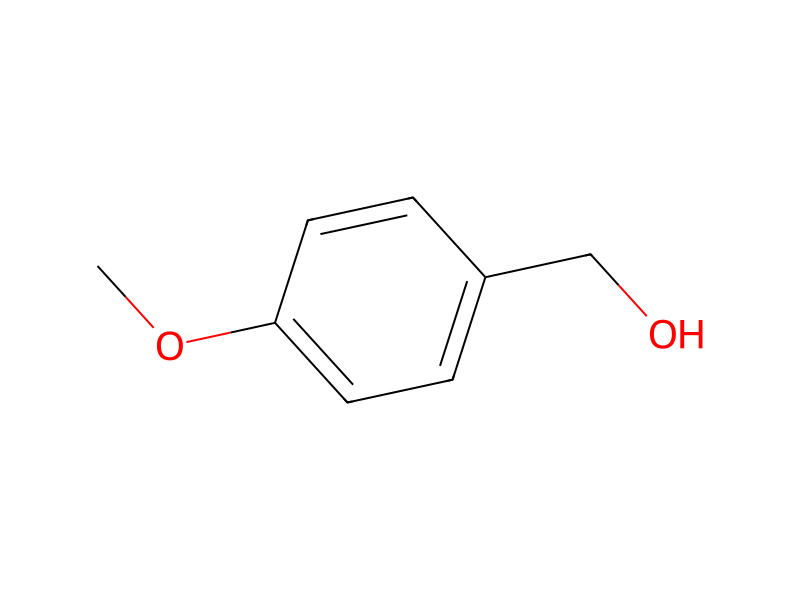
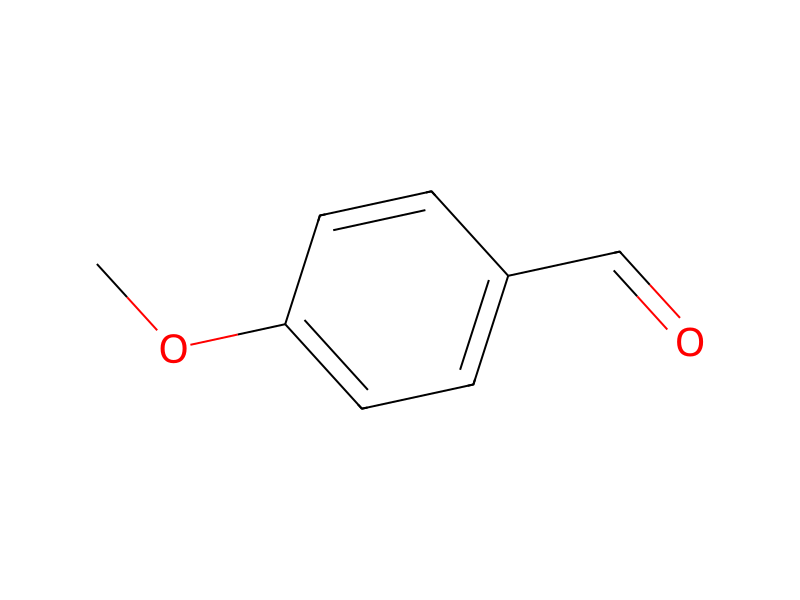
4-Methoxybenzyl alcohol → 4-Methoxybenzaldehyde
Reaction equation

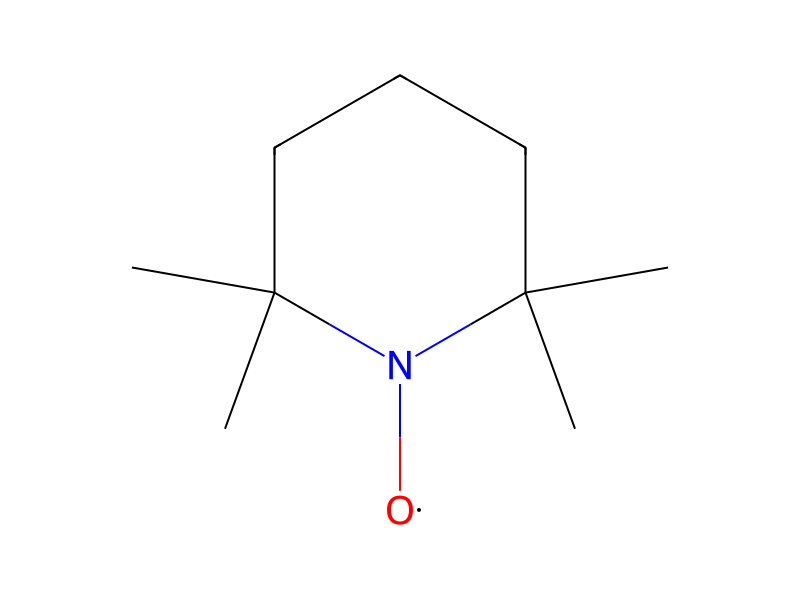
[CH3:1][O:2][C:3]1[CH:10]=[CH:9][C:6]([CH2:7][OH:8])=[CH:5][CH:4]=1.C(N(CC)CC)C.C(N(C(C)C)CC)(C)C.CC1(C)N([O])C(C)(C)CCC1>ClCCCl>[CH3:1][O:2][C:3]1[CH:10]=[CH:9][C:6]([CH:7]=[O:8])=[CH:5][CH:4]=1Participants
6
Reactant 4


Product 1
Reagents, catalysts & solvents 1

Procedure
The effect of the additive was then examined for the oxidation of 4-methoxybenzylalcohol using 8 (2 mol %) in 1,2-dichloroethane (Table 2). Triethylamine, diisopropylethylamine, and TEMPO were all effective promoters of the vanadium complex, affording high yields of 4-methoxybenzaldehyde after 24 h at 60° C. (Entries 2 to 5). In contrast, less than 5% yield was observed with the vanadium complex alone (no additive, Entry 1), suggesting a key role for the nitrogen base.
Workup
- customaffording high
Sources & evidence
- ORD record
- ord-bd5c66ef4f7246f08adbf502d6f29a3f
- Source dataset
- uspto-grants-2013_08
- Patent number
- US08519132B2
Reaction notes
Loading…