Phenol → Benzyl Phenyl Ether
Reaction equation

[C:1]1(O)[CH:6]=[CH:5][CH:4]=[CH:3][CH:2]=1.[NH2-].[Na+].[Na].[O-2].[Ba+2].[H-].[Na+].CN(C)[CH:17]=[O:18]>[Ag]=O.O1CCCC1.CS(C)=O.CCOCC.C(N(CC)CC)C>[C:1]1([O:18][CH2:17][C:1]2[CH:6]=[CH:5][CH:4]=[CH:3][CH:2]=2)[CH:6]=[CH:5][CH:4]=[CH:3][CH:2]=1Participants
12
Reactant 6





Product 1

Reagents, catalysts & solvents 5




Procedure
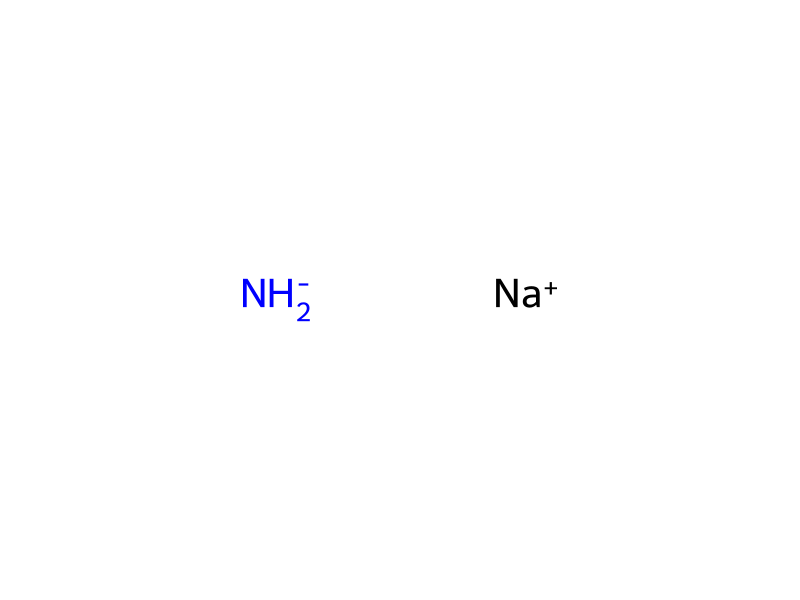
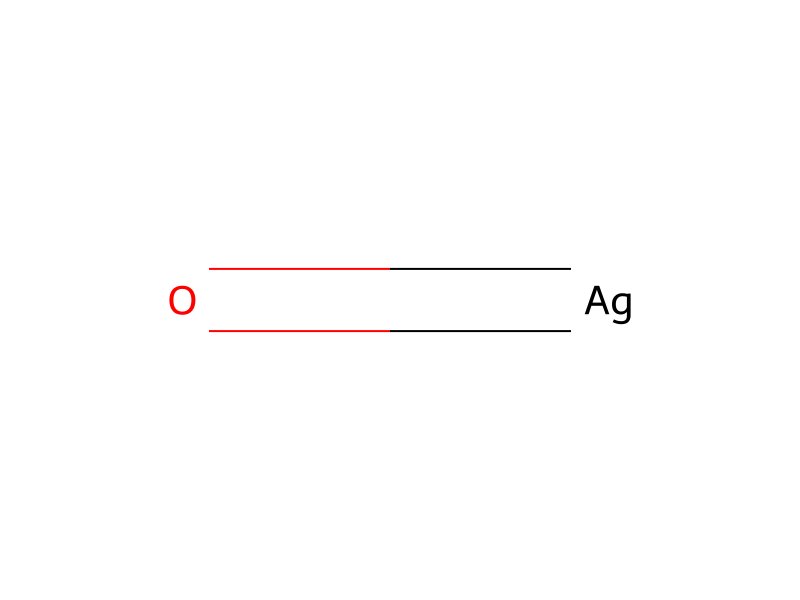
In Scheme 3, the starting phenol is reacted with a benzyl halide in the presence of a base (e.g. sodium amide, triethylamine, sodium hydroxyde, barium oxide, silver oxide, sodium hydride) in an inert solvent (e.g. ether, dimethylsulfoxide, dimethylformamide, tetrahydrofuran) to give a benzyl phenyl ether, which is an example of the derivative of the alkoxyiminocarboxylic acid (V).
Sources & evidence
- ORD record
- ord-53e410c3bee248e2a97c1ecc75e224f0
- Source dataset
- uspto-grants-1993_02
- Patent number
- US05185342
Reaction notes
Loading…