Dimethylformamide → 4-Methylmorpholine
Reaction equation

[CH3:1][CH2:2][CH2:3][P:4](=[O:6])=[O:5].[CH:7]1N=CN([C:12]([N:14]2[CH:18]=N[CH:16]=[CH:15]2)=O)C=1.C([N:21]([CH2:24][CH3:25])[CH2:22][CH3:23])C.CN([CH:29]=[O:30])C>CN1C(=O)N(C)CCC1.CC(N(C)C)=O.CN1C(=O)CCC1>[CH3:1][CH2:2][CH2:3][P:4](=[O:6])=[O:5].[CH3:12][N:14]1[CH2:18][CH2:29][O:30][CH2:16][CH2:15]1.[CH:2]([N:21]([CH:22]([CH3:23])[CH3:7])[CH2:24][CH3:25])([CH3:3])[CH3:1]Participants
10
Reactant 4




Product 3


Reagents, catalysts & solvents 3


Procedure
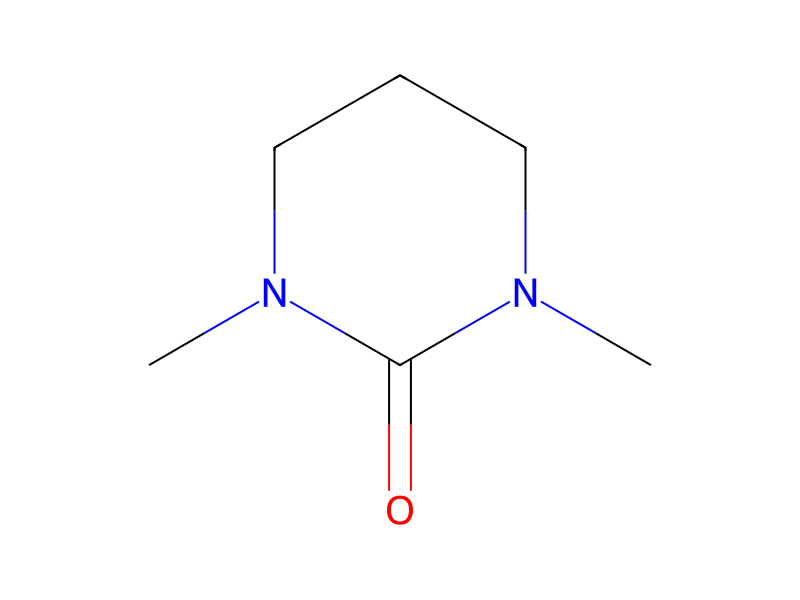
reacting (V) with an activating agent such as propylphosphonic anhydride or CDI (N,N-carbonyldiimidazole), (preferably propylphosphonic anhydride), and an amine of the formula (VI) in the presence of an amine base such as N-methylmorpholine, triethylamine, or diisopropylethylamine, in a suitable polar aprotic solvent such as DMF, or NMP, DMAC, DMPU to provide (I), and subsequently isolating (I),
Sources & evidence
- ORD record
- ord-6784a98f62d342c8b480c6ae7714ec4b
- Source dataset
- uspto-grants-2011_02
- Patent number
- US07879873B2
Reaction notes
Loading…